Key Takeaways
Vietnam tops the daily-budget list: Solo travellers regularly live well on £18-£22 per day in 2027, covering a bed, three meals and local transport.
Flight cost often matters more than on-ground spend: A return to Bolivia from the UK can cost £700-£1,000, so factor that against a £20/day saving over India flights at £400-£600 return.
Exchange rate strength varies sharply: The pound buys you substantially more in Kyrgyzstan, Nepal and Laos than it does in Mexico or Indonesia's tourist hotspots.
Central Asia is genuinely underrated: Kyrgyzstan and Uzbekistan offer remarkable outdoor and cultural value, with few mass-market crowds driving prices up.
Georgia is the best cheap option with a European feel: Tbilisi guesthouses average £20-£35 per night, wine is excellent and cheap, and flights from the UK take around five hours.
Matching trip length to budget is critical: A two-week itinerary in Nepal costs far less than the same fortnight in Mexico once you account for internal flights and resort-area pricing.
Why These 12 Countries Made The Cut
This guide covers 12 countries that genuinely deliver low daily costs in 2027, not just low sticker prices on package deals. The selection is based on four things: on-the-ground daily spend for a solo or couple traveller, the pound's purchasing power against the local currency, realistic flight costs from the UK, and whether value holds up across a range of trip lengths from 10 days to six weeks.
I've personally visited eight of the twelve countries on this list. For the remaining four, I've cross-referenced current traveller reports, currency data from the OANDA historical feed, and spending data compiled by Numbeo's cost-of-living index (updated Q1 2027). Where I haven't been, I'll say so.
A quick note on how to read the daily budgets below: they cover a basic private or dorm room, three meals, local transport, and one paid activity or entrance fee. They exclude international flights, travel insurance, and visa fees, which I address separately in the trade-off sections. If you're planning how to fund the flights themselves, it's worth reading our guide to finding cheap flights anywhere before you book.
Vietnam: Best For Street Food And Low Daily Spend

Vietnam is the single best-value destination on this list for most UK travellers in 2027. A comfortable daily budget runs £18-£25, covering a private room in a guesthouse, pho or banh mi for every meal, sleeper buses between cities, and entrance fees to most attractions. Hanoi and Ho Chi Minh City are the cheapest endpoints; Hoi An and Da Nang sit slightly higher.
Why it works
The Vietnamese dong is weak against the pound (roughly 32,000 VND per £1 as of early 2027), street food culture keeps meals at £1-£2, and a dense network of budget guesthouses means you rarely need to pay more than £10-£15 for a clean private room. Return flights from the UK on easyJet codeshares or Vietnam Airlines via Gulf hubs average £450-£650.
Best for
Solo travellers, food-focused couples, and first-time Southeast Asia visitors who want high reward for low spend. A two-week trip covering Hanoi, Hue, Hoi An and Ho Chi Minh City is entirely manageable on a £700-£900 total on-ground budget.
Strengths: Outstanding street food, excellent value sleeper train network, genuinely warm hospitality culture.
Limitations: Tourist-area prices in Phu Quoc and Da Nang have risen 15-20% since 2024. Visa-on-arrival costs $25 (approximately £20) and must be pre-registered online.
India And Nepal: Depth And Altitude On A Budget
India is one of the most complex destinations on this list because costs vary wildly by region, transport class and travel style. In Rajasthan and Varanasi, a budget traveller can live on £15-£20 per day. Kerala and Goa run higher, at £25-£35 once beach resorts enter the picture. The key mechanic: India's domestic rail network is extraordinarily cheap. A 12-hour sleeper train from Delhi to Jaipur costs around £5-£8 in second class. Return flights from the UK average £400-£600 via Air India, British Airways or IndiGo codeshares through the Gulf. India suits curious, patient travellers who are comfortable with variable infrastructure. It's one of the most culturally varied low-cost itineraries on earth.
Nepal runs at roughly £20-£28 per day once you're inside the country, but the critical cost lever is trekking permits. The Annapurna Conservation Area permit costs around £20, the TIMS card adds another £10, and the Everest region's Sagarmatha permit is £30. Budget teahouses on the Annapurna Circuit charge £5-£10 per night including dinner. If trekking is your goal, Nepal offers unmatched value, and it's one of the few places where solo travellers genuinely feel safe and well-catered for on trails. Return flights from the UK run £450-£700.
India strengths: Extreme cultural diversity, world-class food, cheapest rail network of any large country.
India limitations: Scams targeting new arrivals in Delhi and Agra are common; internal distances are vast and time-consuming.
Nepal strengths: Himalayan scenery, strong trekking infrastructure, genuinely welcoming culture.
Nepal limitations: Permit costs add up quickly if you plan multiple treks; altitude sickness is a real health risk above 3,000m.
Laos And Cambodia: Slower Pace, Real Savings
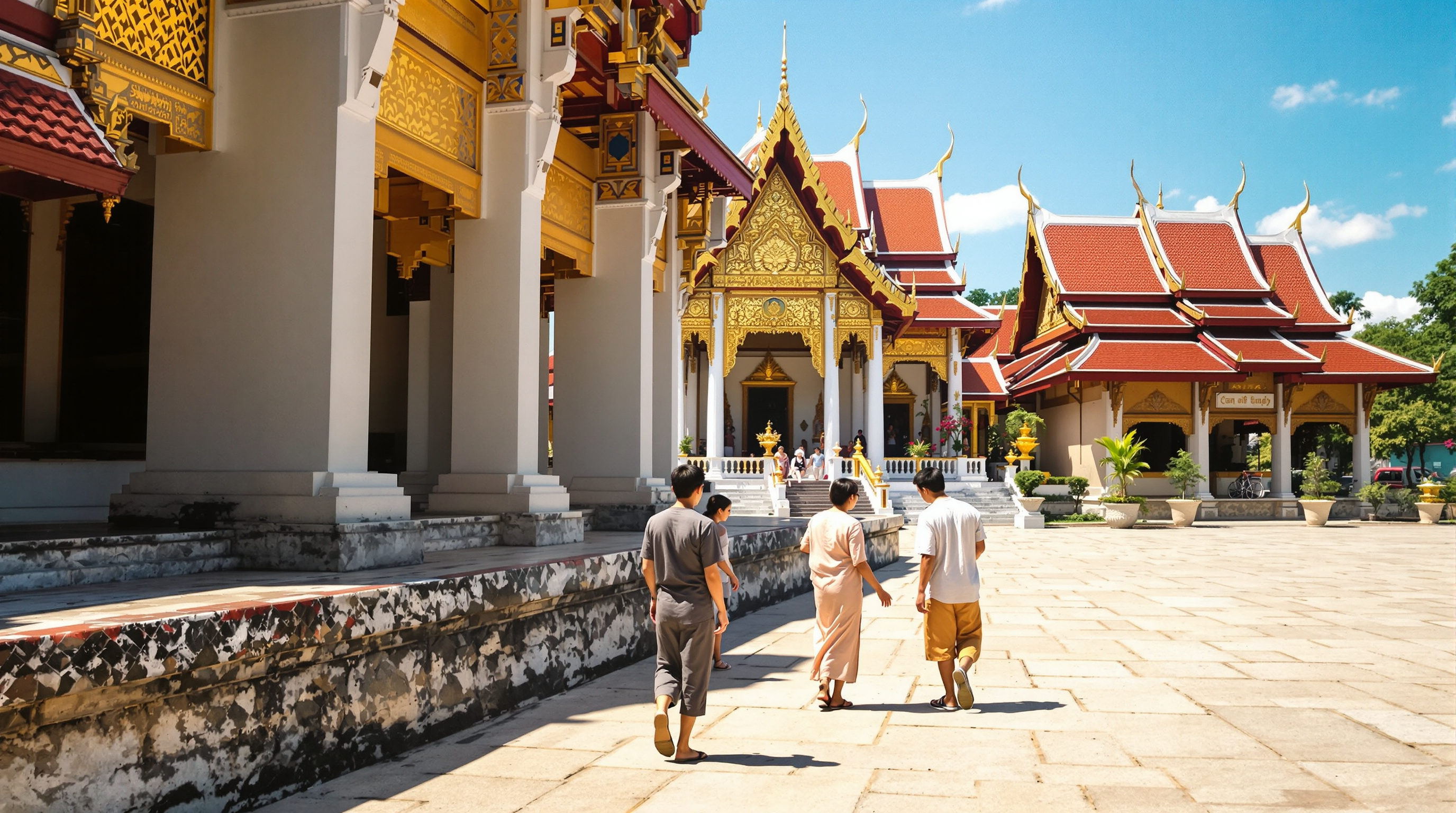
Laos is the quietest option in Southeast Asia and often overlooked precisely because it's not Thailand. That works in your favour. Daily budgets in Luang Prabang and Vang Vieng sit at £20-£28. Slow boats on the Mekong between Huay Xai and Luang Prabang cost around £20-£25 for a two-day journey and are one of the best-value travel experiences in the region. Laos suits travellers who want genuine slowness: temples, waterfalls, cycle rides, and evenings by the river. It's not a nightlife destination. Visa-on-arrival costs $30 (roughly £24).
Cambodia anchors its appeal on Angkor Wat, which is genuinely worth the entrance fee: a three-day Angkor Archaeological Park pass costs $62 (approximately £50). Outside the park gates, Siem Reap is cheap: guesthouse rooms run £8-£15, meals £2-£4. Phnom Penh is similarly affordable. The southern islands (Koh Rong, Koh Ta Kiev) have become noticeably more expensive since 2023, so budget an extra £10-£15 per day if you head there. Return UK flights to Cambodia typically involve a connection through Bangkok or Kuala Lumpur and cost £450-£700.
Laos strengths: Mekong slow boat, UNESCO-listed Luang Prabang, almost no mass-market tourism crowds.
Laos limitations: Limited transport infrastructure outside main towns; landlocked position means beach add-ons require crossing into Thailand or Vietnam.
Cambodia strengths: Angkor Wat is a world-class sight at a reasonable price, cheap guesthouse network nationwide.
Cambodia limitations: Island prices have risen sharply; Phnom Penh's Tuol Sleng museum is important but genuinely harrowing.
Indonesia: Great Value, If You Stay Smart
Indonesia is a destination where daily budget varies more than almost anywhere else on this list. Bali's tourist infrastructure (Seminyak, Canggu, Ubud's main drag) has pushed mid-range daily costs to £35-£55. But travel 30 minutes off the beaten track in Ubud, or head to Lombok, Flores or the Gili Islands' budget end, and you're back to £20-£30 per day.
The complication is intra-country travel. Indonesia spans 5,000 kilometres. A domestic flight from Bali to Komodo (for the dragons, which are absolutely worth it) costs £40-£80 return, and the same Bali-to-Sulawesi hop adds similar. Budget those flights in, and a three-island two-week trip can easily reach £500-£600 on-the-ground before you've counted international flights. Ryanair and easyJet don't fly here; return UK flights via Singapore Airlines, Qatar Airways or Garuda average £550-£800.
Indonesia is best for travellers who can commit to one or two islands rather than island-hopping aggressively. If you fix your base in Lombok or a less-developed part of Java, it's genuinely cheap. If you try to do Bali plus three islands in two weeks, costs mount fast. For a detailed look at managing big-trip costs, our piece on paying for flights in monthly instalments covers options worth knowing before you commit.
Strengths: Extraordinary natural variety, world-class diving, incredible food at local warungs (£1-£3 per meal).
Limitations: Internal flight costs erode savings fast; Bali's tourist-zone prices have converged with Southern Europe.
Kyrgyzstan And Uzbekistan: Central Asia's Hidden Value
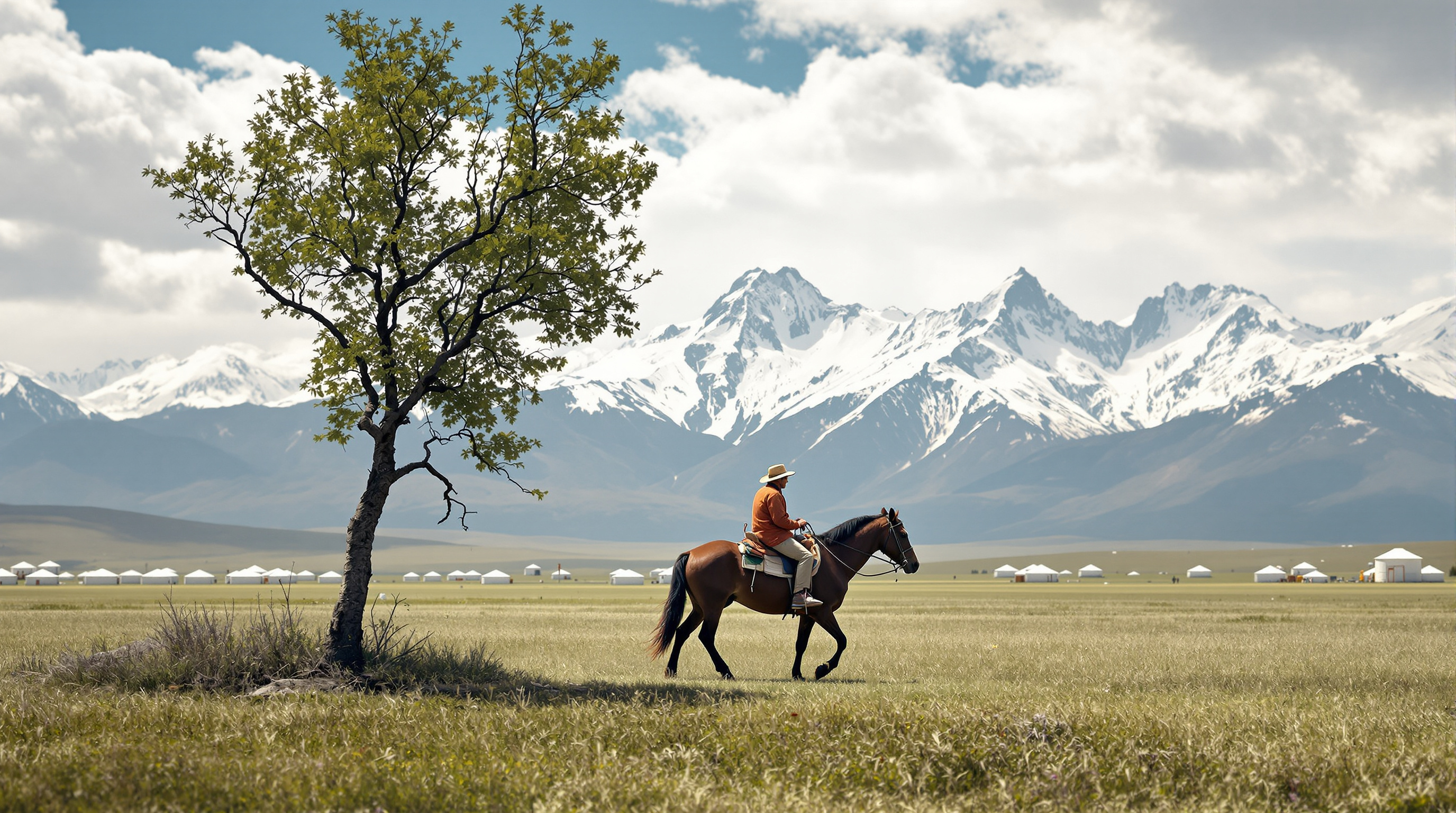
Kyrgyzstan is one of the most underrated destinations on this entire list and the best-value outdoor adventure destination in the world right now. Daily budgets run £15-£22, covering a yurt stay (yes, a real yurt on the steppe), local food, and horse trekking. The Som is exceptionally weak against the pound (roughly 115 KGS per £1 in early 2027). There are no tourist crowds of any scale. Son Kul Lake, the Tian Shan mountains, and the Chon-Kemin valley are all genuinely spectacular and almost entirely free to access. Getting there requires a connection through Istanbul (Turkish Airlines) or Moscow, with total return fares averaging £500-£700. Kyrgyzstan suits independent travellers, hikers, and anyone who wants adventure without an Instagram crowd.
Uzbekistan is the Silk Road in real life, and it's remarkably cheap for what it delivers. Samarkand's Registan, Bukhara's old city and Khiva's walled medina are three of the best architectural sites in the world. Daily budgets run £20-£28. Guesthouses in Bukhara and Khiva average £18-£25 per night. Local plov (rice dish) costs £1-£2. Return flights from the UK via Istanbul or Dubai average £500-£750. Uzbekistan is best for travellers with a genuine interest in history and architecture. It's not a beach destination or a party scene, and the cultural rewards are highest for those who want them.
Kyrgyzstan limitations: Infrastructure outside Bishkek and Karakol is basic; most roads are unpaved and 4WD transport adds cost.
Uzbekistan limitations: Summer temperatures in the Fergana Valley exceed 40C; English-speaking guides are recommended for archaeological sites and add to the budget.
Georgia And Egypt: Old World Value Close To Home

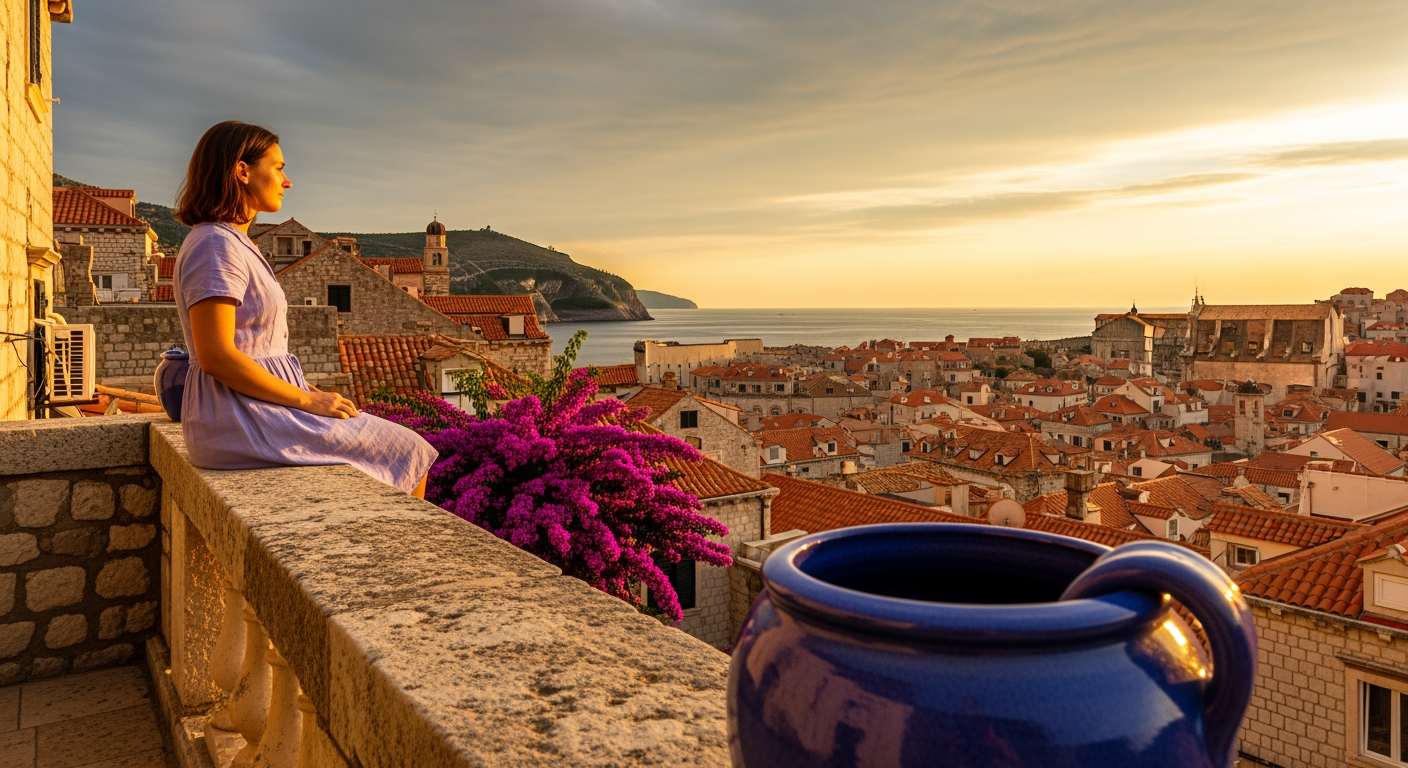
Georgia is the best argument for a cheap trip that still feels distinctly European, sitting at the edge of Eastern Europe and typically costing less than Western Europe because countries in the region often have lower prices for broader economic reasons. Tbilisi guesthouses average £20-£35 per night. A full dinner with wine in a mid-range restaurant costs £12-£18 per person, and Georgian wine is genuinely excellent and costs £3-£6 a bottle from local shops. Daily budgets sit at £28-£40. The country packs extraordinary variety into a small space: the Caucasus mountains (Kazbegi is a must), cave cities (Vardzia), wine country (Kakheti), and a coastal resort strip (Batumi). Return flights from the UK take around four to five hours and cost £180-£320, making Georgia one of the few destinations on this list where flight costs don't dominate the budget. I visited Tbilisi and Kazbegi in early 2024 and spent eight days on roughly £350 all-in on-the-ground, which felt like exceptional value for the quality of food and scenery involved.
Egypt delivers some of the most extreme sightseeing value on earth. The Pyramids of Giza, Luxor, the Valley of the Kings, and a Nile cruise are world-class experiences, and on-the-ground costs are very low: £18-£28 per day for budget travellers once you're inside the country. Entry to the Pyramids complex costs around £14; a four-night Nile cruise averages £200-£350 depending on season. Return flights from the UK on easyJet, Ryanair or BA average £150-£300, making Egypt one of the cheapest flight destinations on this list. The pound is strong against the Egyptian pound (roughly 52 EGP per £1 in early 2027).
Georgia limitations: Driving standards are poor; the Greater Caucasus trails require proper kit and experience.
Egypt limitations: Persistent tourist-area hustle can be exhausting; solo female travellers should research specific areas carefully before visiting.
Mexico And Bolivia: The Americas On A Budget
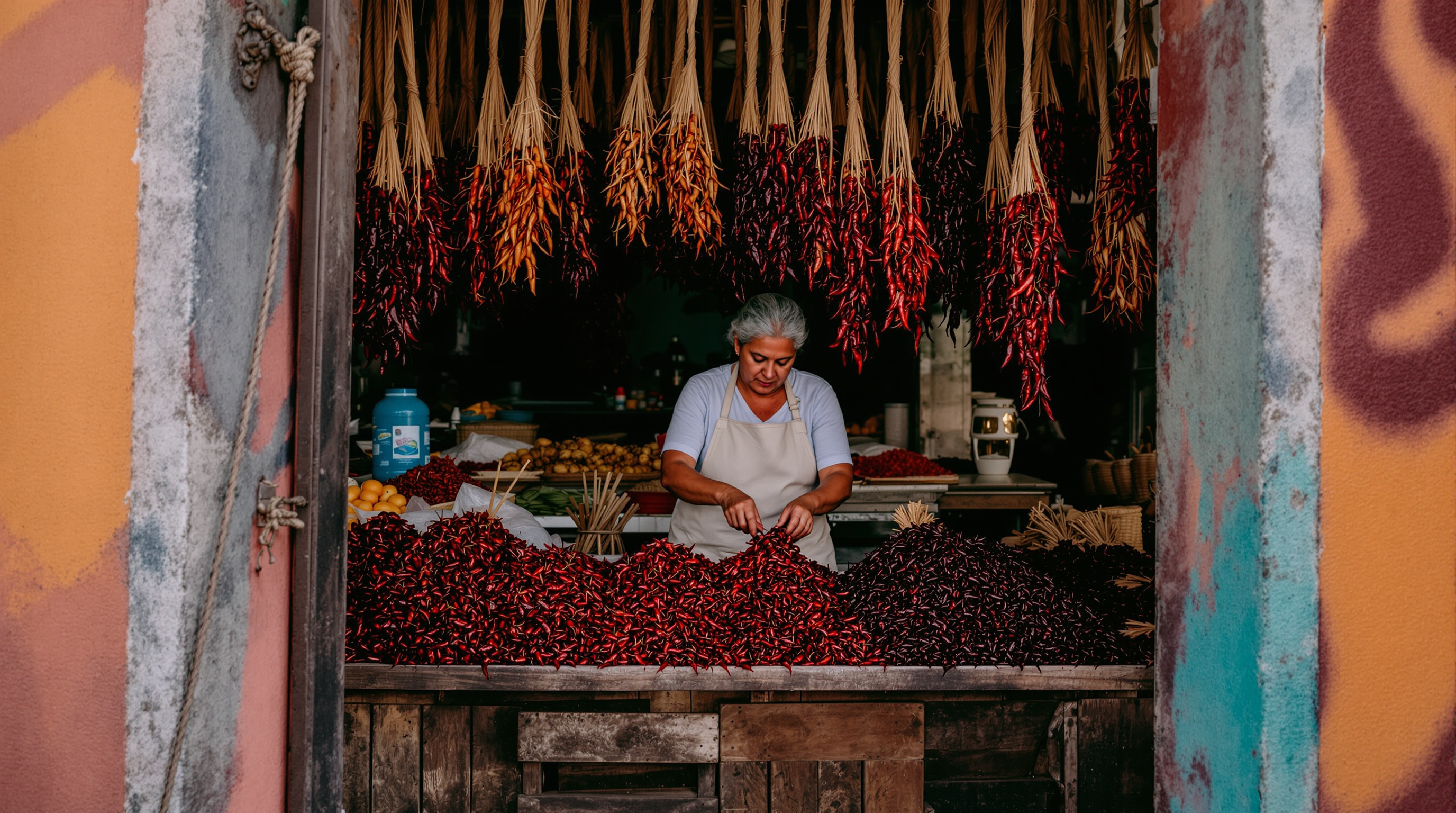
Mexico is the most accessible cheap destination in the Americas for UK travellers because flights, while longer, are well-served by BA and Virgin from London. Return fares average £550-£800. On-the-ground costs vary significantly by region. Mexico City is genuinely cheap at £22-£30 per day. Oaxaca and San Cristobal de las Casas are similar. The Yucatan Peninsula (Tulum, Playa del Carmen, Cancun) has been heavily tourist-priced since 2021 and now runs £40-£60 per day. The formula for Mexico is: stick to cities and colonial towns, avoid the resort strips, and your money goes very far. Tacos cost £1-£2, mezcal is £2-£3 a pour, and colectivo minibuses connect most towns for pennies.
Bolivia is the cheapest country in South America by a clear margin. Daily budgets run £15-£22. La Paz, the world's highest capital city, offers guesthouses at £8-£14 per night. The Salar de Uyuni salt flats tour, one of the most visually dramatic experiences anywhere, costs around £25-£40 for a three-day guided trip. The problem is getting there: return flights from the UK typically connect through Miami, Bogota or Lima and cost £700-£1,000. That's the highest flight cost on this list, and it's the reason Bolivia suits longer trips (three weeks minimum) rather than short breaks. If you're going to South America anyway and combining Bolivia with Peru, the on-the-ground savings are significant.
Mexico limitations: Tourist-zone prices in Tulum and Cancun now rival Southern Europe; safety varies sharply by state.
Bolivia limitations: High altitude (La Paz sits at 3,640m) causes altitude sickness in many new arrivals; infrastructure is limited outside main cities.
How To Choose The Right Cheap Country For You
The right destination isn't the one with the lowest daily budget. It's the one where total trip cost, including flights, matches your trip length and travel style. Here's a practical framework.
Match daily budget to trip length
Short trips (10-14 days) favour destinations with cheap flights: Georgia, Egypt and Mexico are strong picks. The lower flight cost means on-the-ground savings matter less, so you do not need to spend as much money overall to make a shorter break work. Longer trips (three to six weeks) reward the cheapest daily budgets even if flights cost more: Vietnam, Nepal and Bolivia make most financial sense when you're there long enough for the daily savings to compound.
Factor in exchange rate, not just prices
Check what £1 buys you in the local currency using OANDA or XE before you book, because exchange-rate advantages can make some destinations genuinely affordable compared with expensive countries, while others only look cheap at first glance. The pound's strength against the Vietnamese dong, Uzbek som and Kyrgyz som is substantial. Against the Mexican peso and Egyptian pound, it's also strong. Against the Georgian lari, it's more moderate. This matters because your spending power shifts every time sterling moves. Check rates within a month of travel, not at the time of booking.
Match destination to your activities
A single expensive activity can flip a budget destination mid-trip. Safari day trips in Egypt add £60-£100 per day. Scuba diving in Indonesia adds £30-£60 per dive. Helicopter tours in Nepal exist and are priced accordingly. If your trip revolves around one expensive anchor activity, run the full numbers before assuming a country is cheap for you. If you're spreading the cost of the flight, our travel now, pay later options can help manage the upfront commitment. Adventure-focused travellers should compare affordable options carefully, since one activity-heavy itinerary can cost far more than a slower trip in the same country.
Quick Comparison: Six Destinations At A Glance
If you're still deciding between destinations, here's where each of the six most distinct options on this list genuinely excels.
Vietnam: Best for street food obsessives and travellers who want the lowest possible daily budget with excellent infrastructure. Ideal trip length: two to four weeks.
India: Best for travellers who want maximum cultural depth at low cost and can handle logistical complexity. Ideal trip length: three to six weeks given the distances involved.
Nepal: Best value for trekking, full stop. The teahouse network makes multi-week Himalayan trips genuinely affordable. Ideal for solo hikers and active couples.
Kyrgyzstan: Best for outdoor adventure with almost no crowds. Yurt stays, horse trekking and mountain lakes at a price that surprises most first-timers. Ideal for independent adventurers.
Uzbekistan: Best for Silk Road history and architecture at a fraction of what comparable sites in Europe or the Middle East cost. Ideal for culture-first travellers.
Mexico: Best for travellers who want budget travel with direct flight options, great food and a well-developed tourist infrastructure. Direct flights from the UK also improve value for shorter trips.
If you're planning a longer trip and want to think through how to spread the cost of flights and accommodation, our guide on book now, pay later holidays covers practical options available to UK travellers.
Practical Tips To Keep Your Daily Budget Low
The cheapest destinations only stay cheap if you make a few consistent decisions on the ground. These apply across every country on this list.
Eat where locals eat: Moving one street back from the main tourist drag typically cuts meal costs by 40-60%. In Vietnam, this means street stalls. In Georgia, it means neighbourhood restaurants without English menus. In Mexico, it means markets and taquerias. Buying breakfast from grocery stores or markets can keep costs down even further.
Use local transport: Tuk-tuks and taxis negotiated for tourists often cost 3-5 times what locals pay. App-based taxis (Grab in Southeast Asia, Yandex in Central Asia and Georgia) show you the fair price before you get in.
Book guesthouses, not hotels: In every country on this list, locally-owned guest houses and hostels offer significantly better value than branded hotels, often with better location and more useful local knowledge, and they are often the best-value choice in smaller destinations. In some low-cost destinations, budget accommodation can start at around $12-$20 per night in Turkey, which shows how far this strategy can stretch a budget.
Travel overnight where possible: Overnight sleeper buses and trains in Vietnam, India and Nepal save you a night's accommodation cost while covering distance. This genuinely adds up over a long trip. On longer trips, cooking some of your own meals in hostel kitchens can cut spending further.
Check visa costs before you budget: Vietnam ($25), Cambodia ($30), Laos ($30), India (eVisa £20-£25) and Egypt (£20-£25 on arrival) all carry entry fees that aren't part of the daily budget figure. Add them to your fixed costs column.
For more on timing your booking to cut flight costs, our piece on the cheapest day to buy flights is worth a read before you search.
What is the cheapest country to visit from the UK in 2027?
Vietnam is the cheapest country to visit from the UK in 2027 for most travellers, combining a daily on-the-ground budget of £18-£25 with return flights that average £450-£650. Georgia offers comparable or lower flight costs (£180-£320 return) with a slightly higher daily budget of £28-£40, making it the cheapest option if flight cost is your primary concern.
Egypt is a strong runner-up: return flights average £150-£300, the pound is strong against the Egyptian pound, and the country's headline sights (Pyramids, Luxor, Nile cruises) deliver remarkable cultural value at low price points.
How do I work out my total trip cost for a cheap country?
Start with four fixed-cost columns: return flights, visa fees, travel insurance, and any required vaccinations. Then multiply your estimated daily budget by the number of days. Add a 15% contingency for overruns (activities, transport delays, a nicer dinner).
For example, a 14-day Vietnam trip might look like this: flights £550 + visa £20 + insurance £45 + daily budget (£22 x 14 = £308) + contingency £55 = approximately £978 total. That's a realistic figure, not a best-case one. Building your spreadsheet this way before you book means no nasty surprises mid-trip.
Are cheap countries safe to travel to?
Low cost and low safety are not the same thing. Vietnam, Nepal, Georgia, Uzbekistan and Kyrgyzstan all have strong safety records for tourists. India, Cambodia, Mexico and Egypt have specific regions or contexts that require more research, but are safe for well-prepared travellers in their main tourist areas.
The Foreign, Commonwealth and Development Office (FCDO) publishes country-specific travel advice at gov.uk/foreign-travel-advice. Check it before you book and again in the week before you fly. Travel insurance is non-negotiable for every destination on this list, and some (Nepal, Bolivia, Indonesia) require specialist cover for trekking or adventure activities.
Which cheap countries are best for solo travellers?
Vietnam, Nepal and Georgia are the three strongest picks for solo travellers on a budget. Vietnam's well-developed backpacker infrastructure means you're rarely isolated even when travelling alone. Nepal's teahouse trekking routes naturally bring solo hikers together. Georgia's compact size and exceptionally welcoming culture make solo travel straightforward and social.
Kyrgyzstan and Uzbekistan are excellent solo destinations for confident independent travellers but require more planning: English is less widely spoken, infrastructure is thinner, and navigation outside cities benefits from advance research. Our guide to the best places to travel solo covers safety and logistics in more depth.
When is the best time of year to visit these cheap countries?
Timing varies significantly by destination. Vietnam is best visited October to April (south) or March to September (north). Nepal's prime trekking seasons are October-November and March-May. Georgia is best April-June and September-October. Egypt is best October-April (avoid July and August heat). Kyrgyzstan and Uzbekistan are best June-September.
Shoulder season travel (one month either side of peak) typically cuts accommodation costs by 15-25% with only marginal weather trade-offs. For destinations with a hot winter sun appeal, such as Egypt or Vietnam's south, January and February are genuinely peak months, and prices reflect that.
The Bottom Line
The cheapest country to visit isn't a fixed answer. It depends on how long you're going, what you want to do, how much your flights cost, and how the pound is performing when you travel. Vietnam wins on pure daily budget. Georgia wins on combined flight-plus-daily value. Bolivia wins on South American adventure at the lowest on-the-ground cost, but only if you're going for long enough to justify the flight.
The one thing every destination on this list has in common: travellers on a tight budget get the best results when they plan their actual fixed costs before they land, avoid tourist pricing, keep transport simple, eat and travel locally, and don't assume a country is cheap just because its headline daily budget looks low. Do the full calculation, pick the destination that fits your trip length and travel style, and you'll spend far less than you expect.
Ready To Book Your Budget Adventure?
We built Fair Financing and our interest-free instalments for travellers who want to go further without draining savings upfront. Spread the cost of your flights or holiday, subject to eligibility, and start planning properly.