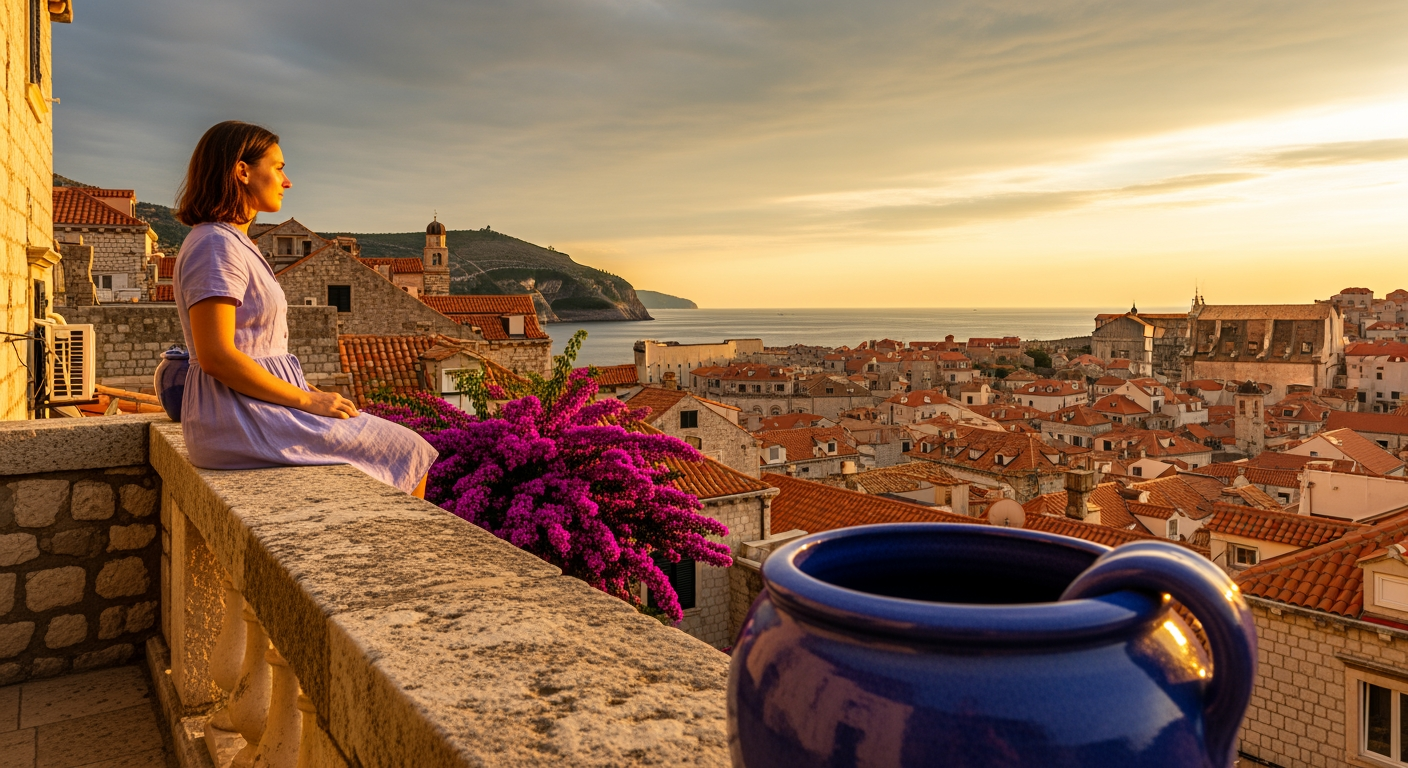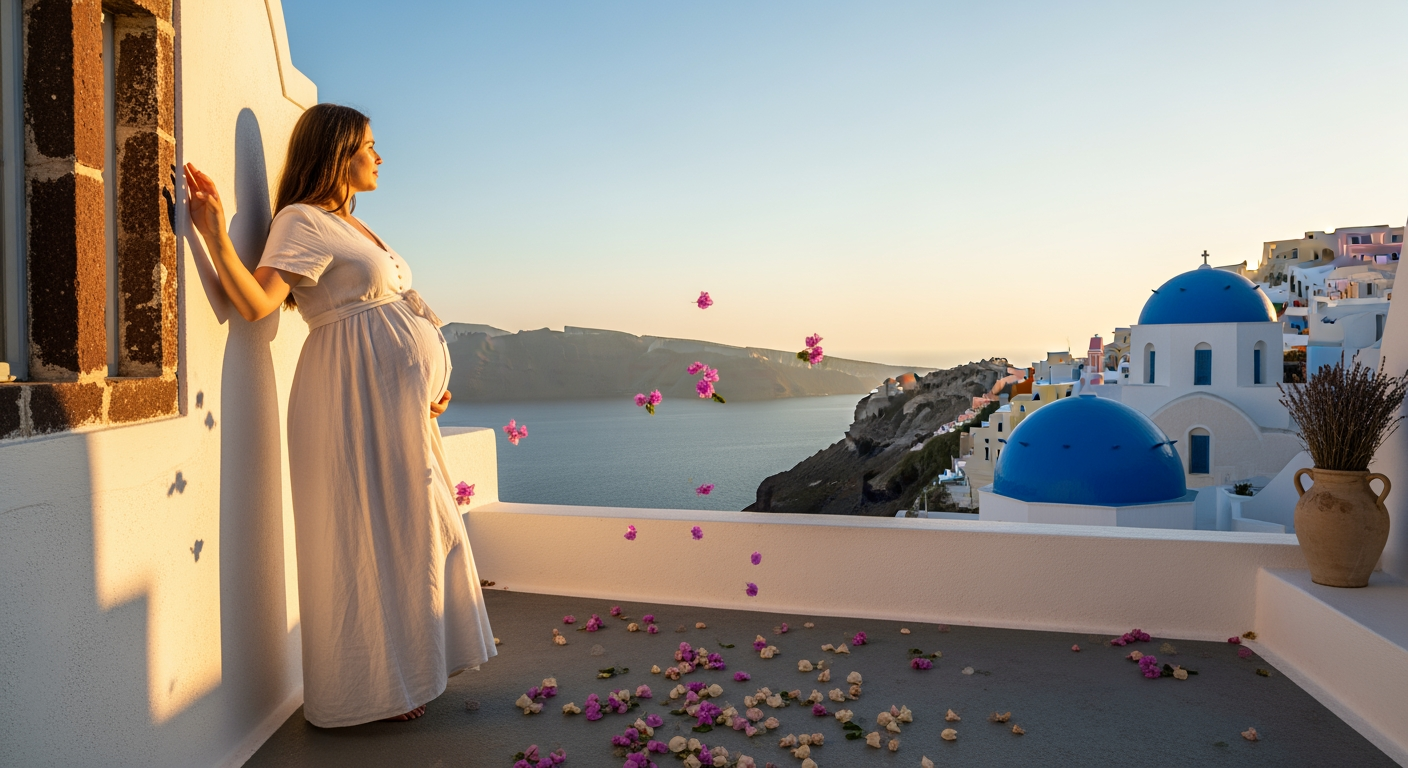
Key Takeaways
The second trimester sweet spot: Weeks 14-28 are generally the safest and most comfortable time to travel during pregnancy, with morning sickness easing and energy returning.
Book 3-5 months ahead for best prices: Peak babymoon destinations like Santorini and the Maldives average £300-£600 cheaper per couple when booked well in advance rather than last minute.
Travel insurance is non-negotiable: You need specialist pregnancy travel insurance that covers complications, premature birth abroad, and repatriation costs.
Short-haul has major advantages: Flights under 4 hours reduce DVT risk and discomfort significantly, making destinations like Portugal, Spain, and Italy ideal picks.
Spreading the cost is worth considering: Babymoon budgets often sit between £1,500-£4,000 for a couple, flexible payment options can make that more manageable without dipping into your baby fund.
Pack light but pack smart: Compression socks, a doctor's letter, your maternity notes, and travel-sized snacks are the non-negotiables every expectant mum should carry.
What Is a Babymoon (and Why Bother)?
A babymoon is a holiday taken by expectant parents before their baby arrives, usually during the second trimester of pregnancy, and the best babymoon destinations range from easy short-haul European breaks like the Algarve, Tenerife, and Santorini to longer-haul luxury escapes such as the Maldives and Bali. Think of it as a honeymoon-style trip, but instead of celebrating a wedding, you're making deliberate space for rest, connection, and excitement before everything changes.
It's a chance to relax and unwind before the baby arrives, not an indulgence for the sake of it. Once your baby is here, a spontaneous week in the sun becomes a military operation involving prams, car seats, and an incomprehensible amount of luggage. For expectant parents, especially those travelling from the UK, a babymoon is often the last simple window for a safe, comfortable break while pregnancy still allows it.
More importantly, travel during pregnancy can be genuinely restorative. A change of scenery, proper rest, and time away from work and to-do lists does real good for both partners, which is why choosing the right destination, timing, and set-up matters. This guide covers practical babymoon ideas, when to travel, the best babymoon locations from the UK, budgeting, specialist pregnancy travel insurance, flying safely, what to pack, the kind of accommodation that works best, and the activities worth booking if you want a trip built around comfort and relaxation.
When to Go: Timing Your Babymoon Right
The second trimester, roughly weeks 14 to 28, is the window most midwives and GPs recommend for travel, and when most expectant mums tend to feel their best. By week 14, morning sickness has usually settled, energy levels improve, and the bump is visible but not yet restrictive. By week 28, long-haul flying becomes less comfortable, and in the third trimester later travel is often harder, with some airlines starting to require a doctor's letter or refusing travel altogether.
Most airlines flying from UK airports, including easyJet, Ryanair, and British Airways, require a medical certificate after 28 weeks. After 36 weeks, most will not allow you to fly at all. Always check your specific airline's policy before you book, because they vary.
If you're expecting twins or have had any complications, your GP or midwife may advise against flying at any stage. Get clearance before you book anything, not after.
When to book your babymoon: If your sweet spot is weeks 18-24, work backwards. For travel in your second trimester, you'll want to book around weeks 8-12 of pregnancy. That gives you enough time to secure the best prices and gives you flexibility to adjust if your circumstances change, which is what many women find most practical when planning a babymoon.
For timing advice on destinations by season, our guide to the best time to book a holiday covers pricing patterns month by month.
10+ Best Babymoon Destinations From the UK
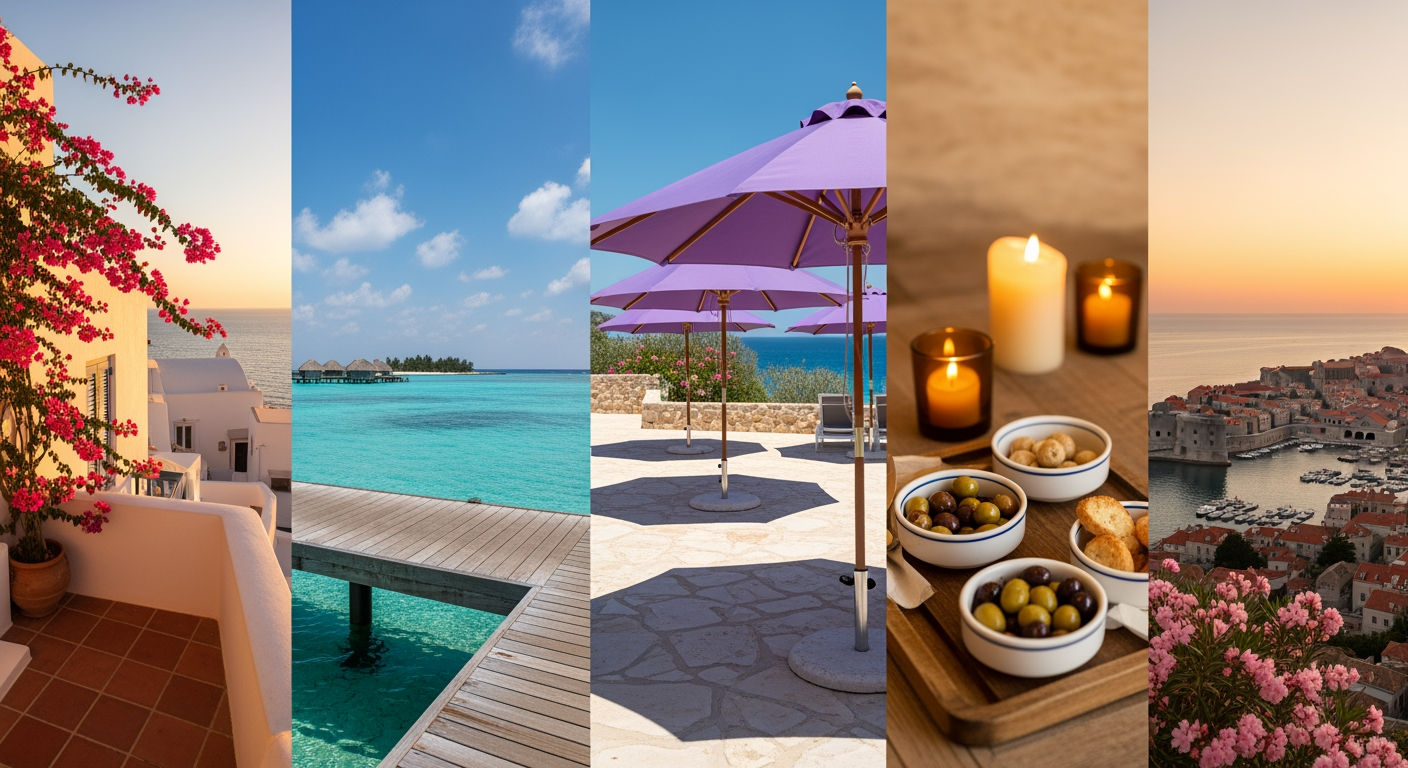
Here are a few places among the best babymoon destinations and best babymoon locations for expectant parents flying from the UK, chosen for flight length, medical infrastructure, comfort, and the kind of slow, restorative travel that a babymoon actually calls for, and each can make a perfect babymoon depending on flight comfort and budget.
1. Algarve, Portugal
Under 3 hours from most UK airports. Algarve is a perfect destination for a relaxing holiday thanks to its resort-heavy coastline, plus excellent private healthcare, warm weather from April to October, and some of Europe's most comfortable beach resorts. Vilamoura and Vale do Lobo are particularly good for lazy pool days and quality restaurants. Jet2holidays packages average £900-£1,400 per couple in shoulder season, with plenty of pool-focused resorts offering a swimming pool and easy beach access.
2. Tenerife, Canary Islands
Year-round warmth and a 4-hour flight from the UK makes Tenerife a reliable pick in any trimester window. The south of the island is calm and resort-friendly. Check out our guide to the best beaches in Tenerife for options that work well for a relaxed, low-effort beach day.
3. Santorini, Greece
Three to four hours from London. Best in May, June, or September, especially in the cooler months on either side of peak summer, when the crowds thin and temperatures are manageable rather than brutal. The caldera views from Oia and Imerovigli are genuinely spectacular, and the island has a slower pace than the mainland, with plenty of luxury hotels built to make the most of those ocean views.
4. Amalfi Coast, Italy
Fly into Naples (about 2.5 hours from London) and stay in Positano or Ravello. The terrain is hilly, so pick accommodation carefully, but the food, views, romantic dinners, and slower rhythm make this one of Europe's most romantic luxury babymoon options.
5. Lake Como, Italy
A shorter flight than you'd expect (2.5 hours to Milan), with a calm, unhurried atmosphere that suits pregnancy perfectly and makes Lake Como ideal for couples who want an amazing babymoon without a demanding travel day. Walking is minimal if you stay central, with beautiful hotels around the lake. Think boat trips, spa treatments, romantic dinners, lakeside lunches, and early evenings on a terrace.
6. Dubrovnik, Croatia
About 2 hours 45 minutes from the UK. The old town requires a lot of walking on uneven cobbled streets, so choose a villa or hotel slightly outside the walls where comfort is better. The coastline is beautiful and far less crowded outside July and August, which also makes Dubrovnik one of the better european cities for a slower city break by the coast. For a longer-haul alternative with scenic coastal sightseeing at an even gentler pace, Cape Town is a strong option for couples.
7. Madeira, Portugal
Year-round mild climate, stunning scenery, and scenic walks with a relaxed pace. Around 3.5 hours from the UK. Funchal has excellent restaurants and spa hotels. Less about beach, more about scenery and rest. An ideal location if you prefer beautiful landscapes over sand.
8. Cyprus
Around 4.5 hours, which is at the upper end for pregnancy comfort, but Cyprus compensates with long seasons, very good private hospitals, and genuinely luxurious resort options in Limassol and Paphos, including adults-only resorts for couples who want a quieter stay. TUI and Jet2holidays both offer all-inclusive packages from £1,100-£1,800 per couple, which can be just what some couples want when they prefer long resort days over sightseeing.
9. Maldives
About 10-11 hours from London, so this one is best suited to the earlier second trimester (weeks 14-20), especially as a great winter babymoon destination. The overwater bungalow experience, calm lagoon swimming, and total switch-off atmosphere make it the most luxurious babymoon pick on this list, an epic babymoon for couples prioritising total switch-off and standout resort experiences, where couples can totally relax in private-island resorts or a private beach setting. Budget £3,500-£6,000 per couple for a week in a mid-range resort.
10. Bali, Indonesia
The main trade-off for Bali is the long flight at around 14-16 hours with a connection, which rules it out for many pregnant travellers. If you're very early in your second trimester and have had an uncomplicated pregnancy, it can work, but discuss it with your midwife first. Ubud offers exceptional spa retreats, a genuinely peaceful atmosphere, and suits couples who want to relax rather than rush around, with delicious food adding to the appeal.
11. Scottish Highlands or Cornwall (UK alternatives)
No flight, no airline policies, no altitude concerns. A luxury lodge in the Cairngorms or a coastal retreat in Rock or Padstow can be every bit as restorative as a flight abroad. A uk babymoon can be the perfect place to enjoy peace before your new arrival, especially with cosy accommodation and quaint towns adding to the appeal. UK babymoons are underrated, especially if you're feeling anxious about travelling while pregnant.
12. Dubai, UAE
About 7 hours from the UK, so more comfortable earlier in the second trimester. The hospitality is exceptional, with beautiful hotels offering major spa facilities, the pools and spas are world-class, and the medical infrastructure is excellent. Best visited October to April when temperatures are manageable. Avoid July and August, when heat can be genuinely overwhelming during pregnancy. For season-by-season guidance, our guide to where is hot in December covers winter sun options including the Gulf region, and Dubai is a strong luxury babymoon option if you want to unwind in one place.
How to Budget for a Babymoon

Most UK couples spend between £1,500 and £4,000 on a babymoon, depending on destination and duration. European short-haul trips (Portugal, Greece, Italy) tend to sit in the £1,200-£2,000 range for a week including flights, accommodation, and food. Long-haul and luxury options (Maldives, Bali, five-star Caribbean) can reach £5,000-£8,000.
The honest budgeting truth: babymooning costs more than a typical couple's holiday because you're prioritising comfort over value. You'll likely want better accommodation (pool access, lift access, softer beds), more meals in than out, and slower-paced activities rather than day trips. Factor that in rather than planning on the same budget you'd use for a city break.
What to include in your budget
Flights: Book early. BA, easyJet, and Ryanair all have competitive fares but prices rise fast for peak summer dates.
Accommodation: Prioritise comfort. A room with a bath, good air conditioning, and easy access to food matters more than usual.
Specialist travel insurance: Pregnancy cover adds roughly £30-£80 to a standard policy depending on gestation and destination. Do not skip this.
Activities: Budget for doing less than usual. Spa treatments, slow meals, and boat trips replace walking tours and nightlife.
Medical extras: Budget a small contingency (£100-£200) for any unexpected pharmacy or clinic costs.
If the upfront cost feels like a stretch alongside nursery spending and maternity leave planning, it's worth knowing that you can pay for flights in instalments to spread the cost rather than putting the full amount on a credit card. At Vuelo, we offer Fair Financing (subject to eligibility) that lets you spread the cost of a trip across manageable monthly payments, so your baby fund stays intact.
Travel Insurance for Pregnancy: Don't Skip It
Standard travel insurance does not automatically cover pregnancy-related complications. You need a policy that specifically includes cover for premature birth abroad, pregnancy complications, and repatriation costs for both you and your newborn if the worst happens.
Check that your policy covers:
Pregnancy complications up to your travel dates and beyond
Premature birth abroad and neonatal care for the baby
Repatriation costs for both you and the baby
Medical expenses at your destination, including private hospital costs
Cancellation cover if your midwife advises you not to travel closer to the date
Specialist providers including InsureandGo, Staysure, and Coverwise all offer pregnancy-inclusive policies. Expect to pay more than a standard policy, and always declare your pregnancy and gestation at the point of purchase. Failure to declare will invalidate your claim.
Your destination also matters for insurance purposes. EHIC/GHIC cards give you access to state healthcare in EU countries, but they do not replace proper travel insurance and do not cover repatriation or private care.
What to Pack for Your Babymoon
Packing for a babymoon is about anticipating what your body needs rather than what you'd usually take. I've spoken to dozens of parents who've done this trip, and the things that come up most often as overlooked are not the obvious ones.
The must-have list
Maternity notes (handheld record): Bring your full pregnancy notes, not just a summary. Any hospital abroad will need them if there's an emergency.
Doctor's letter: After 28 weeks, airlines require this. Even before that, it's worth having one confirming your due date and that you're fit to fly.
Compression socks: Non-negotiable on any flight over 2 hours during pregnancy. They significantly reduce DVT risk. Buy proper graduated compression socks, not fashion ones.
Pregnancy pillow (travel-sized): The small U-shaped ones pack flat and make a real difference for sleeping in unfamiliar beds.
Snacks: Nausea can return with unfamiliar food. Pack plain crackers, nuts, and anything you know you tolerate well.
Comfortable footwear: Feet swell during pregnancy and more so in heat. Bring shoes you can adjust rather than anything fixed.
Prescription medications: Pack more than you need, in your hand luggage. Include anti-nausea medication if prescribed.
High-SPF sun cream: Pregnancy can make skin more sensitive and prone to melasma (pigmentation). Use SPF 50 even on overcast days.
GHIC/EHIC card: If travelling in Europe, make sure it's current.
Your travel insurance documents: Printed, not just saved to your phone.
Keep your hand luggage lighter than usual. You'll want to move easily through airports, and checking in a larger bag is worth the fee on a babymoon.
Flying Safely During Pregnancy: Key Rules
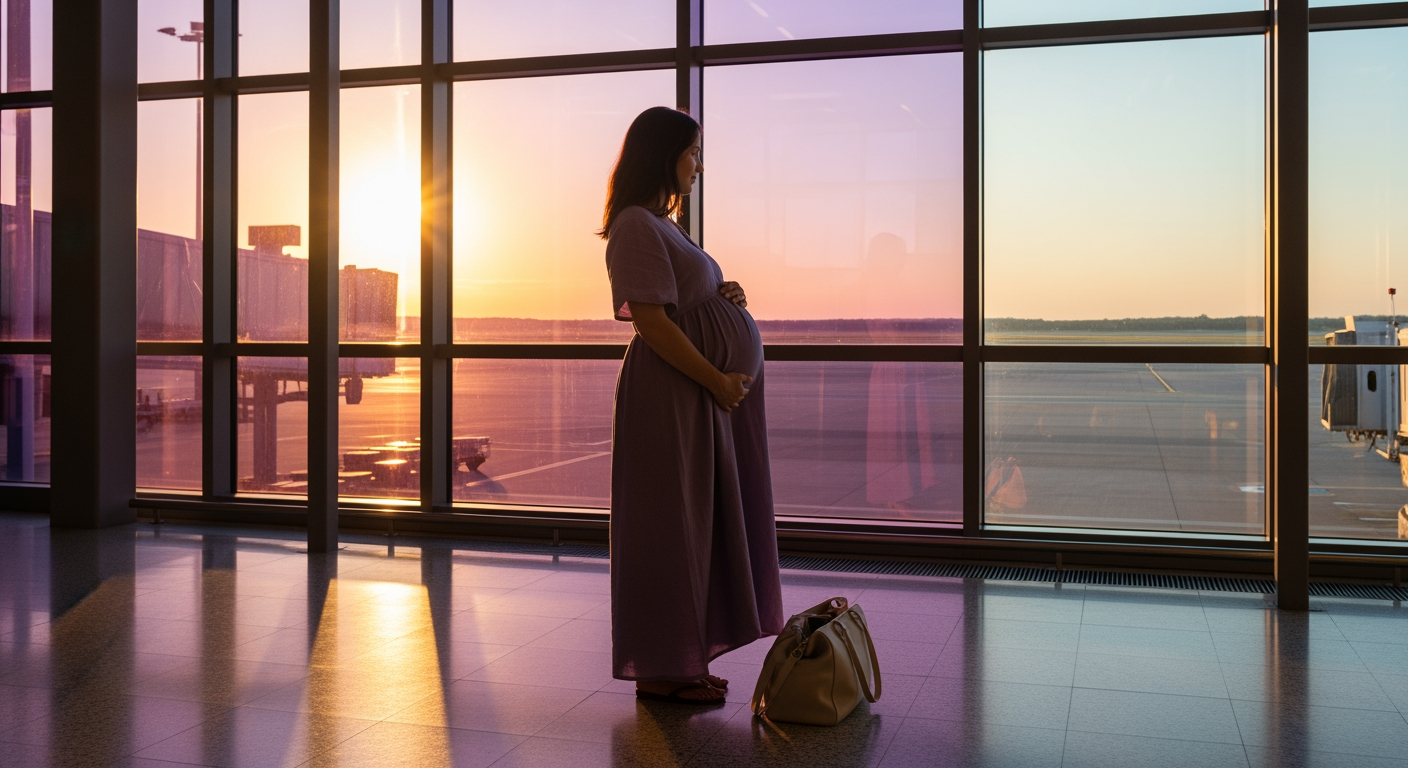
Flying during pregnancy is generally safe in an uncomplicated pregnancy up to around 36 weeks, but there are specific things worth knowing before you get to the airport.
Hydration: Cabin air is very dry. Drink water consistently throughout the flight, more than you usually would. Avoid excessive caffeine.
Movement: Get up and walk the aisle every 45-60 minutes on longer flights. Do ankle rotations in your seat in between. This matters for circulation more than it does outside pregnancy.
Seat selection: Aisle seats give you easier access to the toilet and to stand up. Book them in advance rather than hoping for the best at check-in.
Airport assistance: You're entitled to request assistance at UK airports. It's worth doing even if you feel fine. Airports are large and standing in queues for long periods is genuinely tiring during pregnancy.
Seatbelts: Fasten the lap belt below your bump, not across it.
For destinations with Zika risk (parts of the Caribbean, Central America, some of Southeast Asia), the advice is to avoid travel during pregnancy entirely, and for lower-stress trips elsewhere it can also help to stay in the same time zone or at least a nearby time zone to reduce travel fatigue and jet lag. The NHS website and FCDO travel advisories are the most reliable sources for up-to-date guidance by destination. Check both before you book.
How to Choose the Right Luxury Hotels and Accommodation
Accommodation matters more on a babymoon than on most trips. The criteria shift. You're not optimising for location or price per night as your primary filters. You're optimising for comfort, access, and ease.
What to look for
Lift access: Confirm the hotel has a lift, not just stairs. This sounds obvious but boutique hotels in Italy and Greece often don't.
Private pool or easy pool access: Shared pools are fine, but a private plunge pool removes the effort of navigating a busy pool area when energy is lower than usual. Some couples may also prefer a hotel with a pool close to the room rather than a larger resort setup.
On-site food: You don't want to walk 20 minutes for every meal. Resorts or hotels with a good restaurant or room service matter here, and great food can be a real comfort factor on a babymoon.
Comfortable bed: Ask about mattress quality. Read recent reviews specifically mentioning sleep comfort. It's not a vanity request when you're pregnant.
Proximity to a pharmacy or clinic: Not a reason to choose somewhere, but worth confirming before you book that a pharmacy is within reasonable reach.
All-inclusive resorts can work very well for babymoons because they reduce the daily decision-making around food and cost. TUI and Jet2holidays both offer strong all-inclusive options in Portugal, Greece, and the Canary Islands in the £1,100-£2,000 per couple range. For inspiration by season, our guide to where is hot in September covers specific resort options for autumn travel.
Activities That Work Well on a Babymoon

The instinct to fill every day with excursions is one to resist. A babymoon works best when you treat it as a rest-first trip with a few memorable highlights rather than a packed itinerary.
Activities that tend to work well
Spa treatments: Many resorts offer pregnancy-safe massage, which is different from standard massage and genuinely relaxing. These treatments are often tailored specifically for pregnant women and can be one of the most restorative parts of a babymoon. Book in advance and confirm the therapist is trained in prenatal massage. Prenatal-friendly yoga classes are also a common wellness option at high-end babymoon resorts.
Boat trips: Calm sea excursions (not choppy open-water trips) are a lovely way to see a coastline without walking.
Cooking classes: Sitting-based, usually air-conditioned, and a lovely memory to bring home.
Sunset or scenic drives: Low-effort, high-reward. Renting a car and exploring at your own pace beats group tours entirely when you're pregnant and may need to stop frequently.
Snorkelling in calm lagoons: Gentle exercise, minimal exertion, and spectacular if you're somewhere like the Maldives or Cyprus.
Activities to approach carefully or skip
Scuba diving: Not recommended during pregnancy due to decompression risk.
High-altitude destinations: Reduced oxygen levels at altitude can affect foetal oxygen supply. Destinations above 2,500m require specific medical clearance.
Very long walking tours: Fine in moderation, but plan rest stops and don't push through fatigue.
How to Pay for Your Babymoon Without the Stress
The financial juggle around a babymoon is real. You're simultaneously saving for nursery furniture, baby equipment, and potentially facing a drop in household income during parental leave. Spending £2,000-£3,000 on a holiday in the middle of that requires some honest planning.
A few approaches that genuinely help:
Book early for the best price: Packages to southern Europe average £200-£400 cheaper per couple when booked 4-6 months in advance rather than in the 6-8 weeks before travel. Our guide on whether last-minute holidays are actually cheaper shows the data on this clearly.
Spread the cost: Rather than paying everything upfront, you can use Vuelo to spread the cost of your trip into monthly payments that fit your budget. Our Fair Financing option (subject to eligibility and status) means you're not emptying your savings account in one go. Whether it's right for you depends on your individual circumstances and we'd always recommend checking your budget before spreading the cost.
Prioritise what matters to you: Splurge on accommodation and cut back elsewhere. A brilliant hotel with a pool and room service is usually more valuable on a babymoon than expensive restaurants or paid excursions every day.
If you want to understand how flexible payments compare across different options, our breakdown of pay monthly holidays vs loans vs credit cards is a straightforward read.
First-Time Babymoon? Here's What to Check First
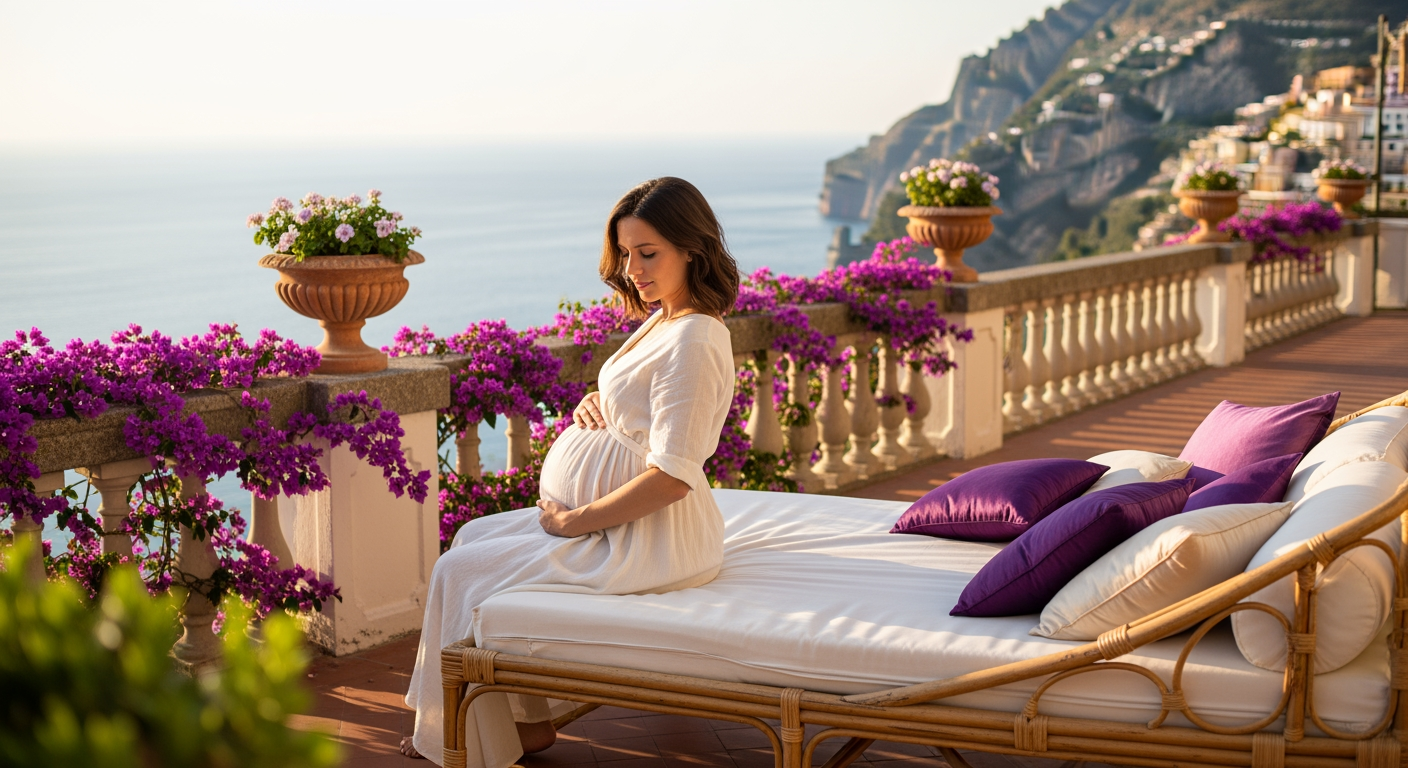
If this is your first pregnancy, the amount of conflicting advice online can feel overwhelming. Here's a straightforward pre-booking checklist that covers the things that actually matter.
Get GP or midwife sign-off before booking anything. Describe where you're going, how long the flight is, and when in your pregnancy you'll be travelling.
Check your airline's pregnancy policy for the specific weeks you'll be flying. Policies vary between carriers.
Check FCDO travel advice for your destination, including any health advisories relevant to pregnancy.
Buy specialist travel insurance immediately after booking, not the week before you travel.
Register with a local clinic or hospital at your destination once you've booked accommodation. Many resorts can recommend nearby private clinics. It's a 10-minute task that gives real peace of mind.
Tell your accommodation you're pregnant when you book. Many hotels will upgrade your room, arrange extra pillows, or flag any accessibility considerations without being asked if they know.
I'd also add one genuinely useful tip from conversations with returning babymoon travellers: build at least one completely unplanned day into your itinerary. Pregnancy energy is unpredictable. Having a day with no commitments means you can rest without feeling like you're missing out.
When is the best time to go on a babymoon?
The second trimester, between weeks 14 and 28, is the window most recommended by midwives and GPs. By week 14, morning sickness has typically eased and energy returns, which is when most expectant mums and mums to be usually feel most comfortable travelling. Before week 28, most airlines allow you to fly without a medical certificate, and the bump is not yet restricting comfort significantly.
If you're flying long-haul (over 6 hours), aim for weeks 16-22 when you'll be most comfortable. For short-haul European trips, weeks 18-26 give you more flexibility, while the third trimester is usually less comfortable for most trips. Always get clearance from your midwife or GP before booking.
What destinations are best for a babymoon from the UK?
Practical babymoon destinations from the UK are often short-haul European options for most expectant parents. The Algarve in Portugal, Tenerife, Santorini, the Amalfi Coast, and Madeira all offer good medical infrastructure, comfortable resort options, and flight times under 4 hours. For something more exotic, the Maldives can be especially appealing in winter, and Bali works well earlier in the second trimester.
Some couples also consider Cabo, Mexico or Key West for warmer-weather escapes, while French Polynesia is better known for a more romantic long-haul trip.
Avoid destinations with Zika virus risk (parts of the Caribbean, Central America, Southeast Asia) and check FCDO travel advice before booking. UK alternatives like the Scottish Highlands or Cornwall are genuinely excellent if you'd rather not fly.
Is it safe to fly during pregnancy?
Flying is generally safe during an uncomplicated pregnancy up to around 36 weeks. Most airlines require a doctor's letter after 28 weeks and refuse travel after 36 weeks. The main risks to manage are deep vein thrombosis (DVT), dehydration, and reduced cabin pressure. Compression socks, regular movement, and staying hydrated significantly reduce these risks.
If you've had any complications, a multiple pregnancy, or if you're travelling to a high-altitude destination, speak to your GP or midwife before booking. Do not rely on general online advice for individual medical decisions. In general, a short flight is usually more comfortable than long-haul travel during pregnancy.
How much does a babymoon cost from the UK?
Most UK couples spend between £1,500 and £4,000 for a babymoon, depending on destination and how much comfort you're prioritising. European short-haul packages (Portugal, Greece, Canary Islands) typically run £1,000-£2,200 per couple for a week including flights and accommodation. Long-haul luxury options like the Maldives can reach £5,000-£8,000 for a week.
Budget slightly more than a typical couples' holiday, because comfort takes priority over cost-cutting. Better accommodation, easier access to food, and specialist travel insurance all add to the total but are worth it.
Do you need travel insurance for a babymoon?
Yes, and it needs to be specialist pregnancy travel insurance, not a standard policy. Standard travel insurance often excludes pregnancy-related complications, premature birth, and repatriation for a newborn. You need a policy that covers all of those specifically.
Declare your pregnancy and gestation at the point of purchase. Failure to declare will invalidate any pregnancy-related claim. Specialist providers including InsureandGo, Staysure, and Coverwise offer pregnancy-inclusive policies. In EU countries, an EHIC or GHIC card provides access to state healthcare but does not replace full travel insurance.
The Bottom Line
A babymoon is worth doing, and it's worth doing properly. That means choosing a destination that suits your energy levels and flight comfort, booking at the right time in your pregnancy, getting the right insurance, and packing smarter than usual.
The second trimester is a genuinely good window for travel. The destinations are varied enough that you can find something that fits your budget, your passport, and what you actually want from the trip. Whether that's a slow week in the Algarve, a luxury overwater bungalow in the Maldives, or a coastal cottage in Cornwall, these are some of the most beautiful places to rest, reconnect, and create a few precious moments together before your lives change forever.
Ready to Plan Your Babymoon?
We built Fair Financing for moments exactly like this, when you want the perfect excuse to do something special before the baby arrives without wiping out your savings. Spread the cost of your babymoon into manageable monthly payments and book with confidence, so it’s easier to choose a trip you’ll absolutely loved.