Key Takeaways
- South beats north for guaranteed sunshine: Resorts like Costa Adeje and Playa de las Américas average over 300 sunny days a year, making them safer bets for a classic beach holiday.
- Black sand gets scorching: Volcanic beaches such as Playa de la Arena and Benijo absorb heat fast. Beach shoes and early arrivals are non-negotiable in summer.
- Playa Las Teresitas is the north's golden exception: Its imported Saharan sand makes it the most family-friendly beach in the north, with calm, sheltered water and free parking nearby.
- Natural pools beat rough surf for young kids: Spots like Garachico and Mesa del Mar offer safe, rock-enclosed swimming when Atlantic swells make open beaches unpredictable.
- Flag colour changes everything: A red flag means no swimming, full stop. Always check before you wade in, especially on wilder northern and western beaches.
- Booking ahead saves money and stress: Whether you are flying with easyJet from Manchester or booking a TUI package, locking in dates early, especially for July and August, keeps costs down significantly.
Why Tenerife's Beaches Deserve Your Attention
Tenerife is the largest of the Canary Islands and, for UK travellers, one of the most accessible year-round top beach destinations in Europe. Ryanair, easyJet, and Jet2holidays all fly there direct from most major UK airports, and the flight time is just four hours from London. If you are searching for the best picturesque beaches that will quickly become your favourite beach in Tenerife, the top picks for most visitors are Playa del Duque for calm, upmarket beach days, Playa de las Américas for watersports and nightlife, Playa de las Vistas (or Playa las Vistas for short) for families, Playa Las Teresitas for one of the island's best-known golden sand beaches with gentle water in the north, and Benijo Beach or Bollullo Beach if you want a more dramatic black-sand contrast to the south's resort beaches.
The south is all about comfort: wide, sheltered bays, calm Atlantic water, and promenades lined with restaurants. The north is wilder, greener, and more dramatic, with beautiful beaches that range from black volcanic sand beaches to rocky beaches, lava rock pools, and a backdrop of ancient laurel forest. Between the island's beaches, there is something here for families, couples, surfers, paddleboarders, photographers, and anyone planning a winter-sun break from the UK, whether you want popular beaches with easy access and facilities or quieter, more adventurous stretches.
I have visited Tenerife three times now, and with more than 100 beaches along its coastline, every trip I have found a beach I had somehow missed before. This guide covers the best beaches in Tenerife by region, the difference between golden sand beaches and black lava shores, sea and weather conditions in the north and south, family-friendly options, watersports spots, natural pools, safety flags, parking, bus routes, and other beaches worth knowing about, including practical details that help you choose well and book the right base. Tenerife is also one of our top picks if you are thinking about where to go for winter sun, given it stays warm and sunny right through December and January.
North vs South: Climate, Sand, and Sea Conditions
The island is split in two by Mount Teide, and the mountain does all the hard work climatically. Trade winds hit the north and create cloud cover and cooler, damper conditions, especially between October and March. The south sits in a rain shadow, meaning it is drier, hotter, and sunnier almost all year, with calm waters in the south.
Black sand beaches vs white sand beaches
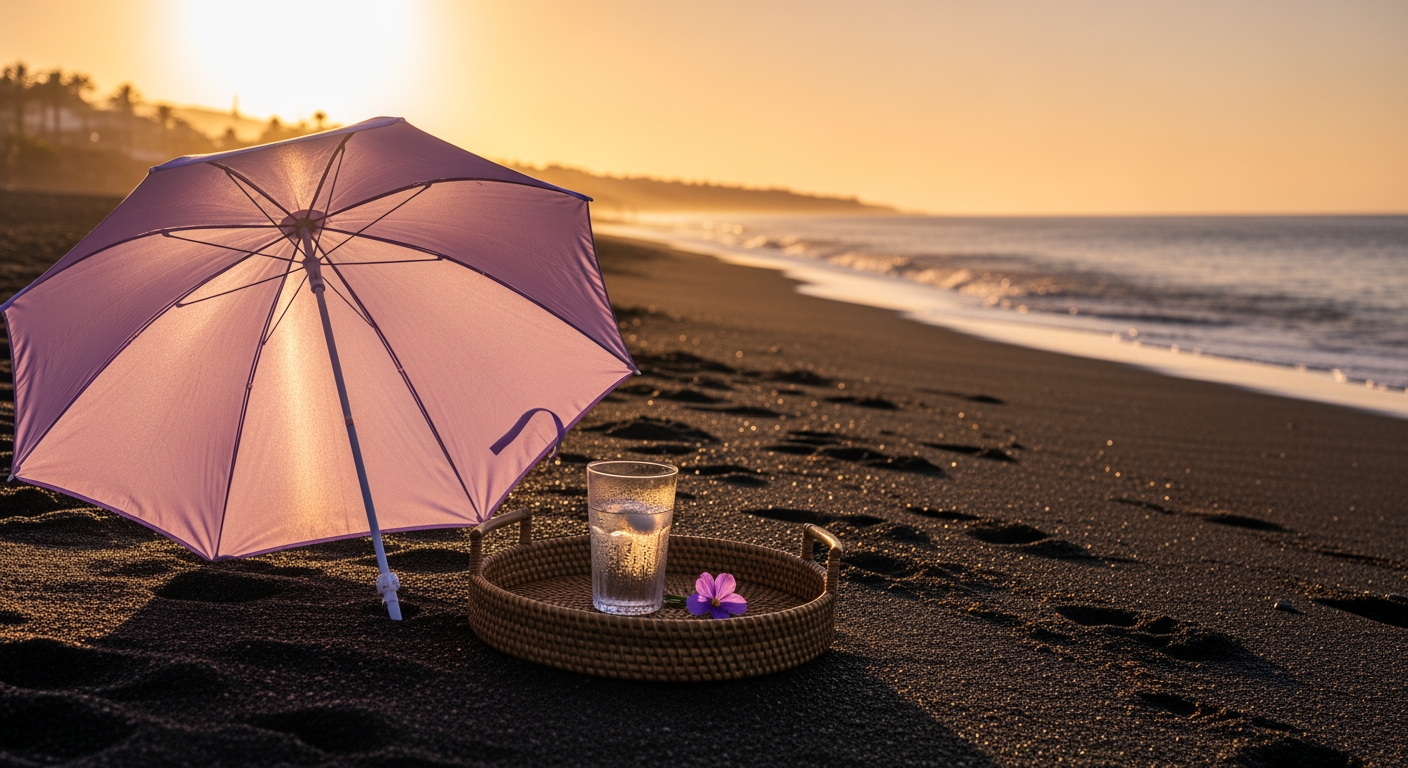
Tenerife's black sand beaches are the result of ancient volcanic activity. The island formed from lava flows, and as that lava eroded over thousands of years, it created the dark, coarse sand you see at Benijo, Playa de la Arena, and El Bollullo. It looks incredible in photos and has a real raw, dramatic energy to it. The downside: it absorbs heat like a radiator. Temperatures on black sand can reach 60°C on a summer afternoon, so beach shoes are essential and morning visits are strongly recommended.
The white sand beaches in the south, most notably at Playa del Duque and Playa las Vistas, are mostly artificial, created using sand imported from the Sahara. That does not make them any less beautiful, but it does explain why they look almost impossibly golden next to the volcanic rock around them.
Sea conditions also differ. The south has calmer, more sheltered water, perfect for swimming and watersports. The north faces stronger Atlantic swells, and some beaches carry warning flags regularly. Always check the flag system before entering the water.
Best Beaches in Tenerife South: Costa Adeje and Las Américas
If you are travelling with kids, prioritising lounger time, or simply want guaranteed sunshine, the south is your territory. The stretch of coast running from Los Cristianos through Playa de las Américas and up into Costa Adeje makes south Tenerife a strong base for beach travellers who also want easy access to the island's windsurfing and kitesurfing scene. The water is calm, the facilities are excellent, and the promenades are endlessly walkable.
Planning your beach days in the south
Most beaches here run roughly south-west facing, which means morning light is soft and the sun peaks mid-afternoon. Arriving by 9am gets you the best parking spots and cooler sand. By midday in July and August, the beaches are packed and the sand is hot enough to cook on, so early mornings and late afternoons are genuinely the best times to swim.
Key beaches to plan around:
- Playa del Duque: the most upscale option in the south, calm water, well maintained.
- Playa de las Américas: lively, central, with watersports and nightlife nearby in Playa de las Americas.
- Playa las Vistas (Los Cristianos): long, wide, and one of the best family friendly beaches in the south.
- Playa Fañabé: sits between Duque and Américas, a good middle-ground option.
If you are booking a Tenerife holiday and want to spread the cost, the south resorts tend to have the widest range of package deals from operators like TUI and Jet2holidays.
Playa del Duque: Tenerife's Most Luxurious Beach
Playa del Duque sits at the northern tip of Costa Adeje and is genuinely one of the best Tenerife beaches in the whole of Spain, feeling both luxurious and like an upscale beach. Wide, clean, and beautifully maintained, it has golden imported sand, calm sheltered water, and lifeguard coverage throughout the main season (June to September). Sun lounger rental is available through the beach concessions, and the water is shallow enough for young children to paddle safely.
Facilities and family amenities
The beach has proper toilets, showers, and changing facilities. There is a children's play area nearby, and the lovely promenade directly behind it is lined with upscale restaurants and cafés. For lunch, look for the terrace restaurants around the Gran Hotel Bahia del Duque, which sit right above the beach and serve excellent fresh fish. Budget roughly £20 to £35 per head for a sit-down lunch with a glass of wine.
Getting there and parking
There is a paid car park just behind the beach at Calle Bruselas. It fills up fast in high season, so arrive before 9am or take the local bus (line 473 from Los Cristianos or Playa de las Américas stops nearby). A taxi from the Américas strip takes around ten minutes and costs roughly £6 to £8. If you have booked a hotel in Costa Adeje itself, it is walkable from most properties.
Things to do at Playa de las Americas
Playa de las Américas, in the wider Playa de las Americas resort area spelling many travellers use, is the engine room of the south: loud, busy, and absolutely brilliant if you want watersports, beach bars, and a promenade buzzing with life from mid-morning onwards. Jet skis, banana boats, and parasailing are all available from operators along the beachfront, typically priced between £30 and £80 per activity. The beach itself is wide and well maintained, and the water is calm enough for casual swimming most of the year.
Playa las Vistas, Los Cristianos
Just around the headland, Playa las Vistas is a long, crescent-shaped bay that is probably the best all-rounder in the south for families. It has full lifeguard coverage, clean facilities, and a generous promenade that connects it to Los Cristianos town. The walk from one end to the other takes about twenty minutes and passes plenty of ice cream kiosks and casual cafés. I spent an afternoon walking this promenade last February and it was genuinely warm enough to swim, which tells you a lot about why Tenerife works as a winter destination.
Playa Fañabé and El Camison
Fañabé sits neatly between Duque and Américas, is a slightly quieter option with similar facilities, and as a blue flag beach is especially good for families. Playa El Camison, adjacent to Playa de las Américas, is smaller and less busy, good for a calmer swim away from the main crowds, with sunbeds, umbrellas, and nearby restaurants. Both have sun lounger hire and nearby parking. Book water activities at Fañabé in advance during July and August as slots fill up by mid-morning.
Best Beaches in Tenerife North: Wilder and More Dramatic
The north of Tenerife is a completely different world to the polished resort beaches of the south. Think north Tenerife: volcanic cliffs, crashing Atlantic surf, wild black sand, and dramatic scenery that genuinely looks like somewhere films are shot. It is less reliable for sunshine, particularly in autumn and winter, but in spring and early summer the north can be stunning, with some of the island's quieter beaches.
Safety first on northern beaches
Currents are stronger in the north, and many beaches are not patrolled by lifeguards outside of peak season. The flag system is your friend here. Green means safe to swim, yellow means caution (usually strong currents or waves), and red means stay out of the water entirely. On wild northern beaches like Benijo, the flag is yellow or red more often than it is green, so always check before you get in. Families with young children should stick to the more sheltered options like Las Teresitas or the natural pools at Garachico.
That said, the north is absolutely worth exploring even just to look at. The landscape around Playa El Bollullo, the towering cliffs at Los Gigantes (technically the west coast), and the views at Benijo are some of the most dramatic coastal scenery in the whole Canary Islands. Pair a northern beach trip with a visit to the Anaga Rural Park for a proper full-day adventure.
Playa Las Teresitas: Golden Sand in the North
Playa Las Teresitas, also known as Playa de Las Teresitas, is the standout exception in the north: a long, calm, golden beach created using sand imported from the Western Sahara back in the 1970s. It sits on Tenerife's east coast just outside Santa Cruz de Tenerife and is backed by palm trees and the dramatic Anaga mountains. On a clear morning, it is genuinely one of the most photogenic beaches on the island, as well as one of its most family friendly beaches.
Family facilities and access
Las Teresitas has lifeguard coverage during the main season, clean toilets and showers, a small car park (free, but fills up by 10am in summer), and a row of simple seafood restaurants and chiringuitos along the promenade. The water is sheltered by a breakwater, creating calm waters and, with the soft sand, making it brilliant for families with small children.
Getting there without a car
Bus route 910 runs directly from Santa Cruz bus station to Las Teresitas and takes about fifteen minutes. It is one of the easiest northern beaches to reach by public transport and is a genuinely good option if you are based in or near the capital. Arrive before 9:30am in July and August if you want a space in the car park. The small village of San Andrés is a five-minute walk from the beach and has some excellent local restaurants for a post-swim lunch, with fresh fish and Canarian potatoes at much lower prices than the south resort restaurants.
Other Beaches Worth Exploring
These four beaches represent some of Tenerife's most natural beach experiences and its wilder, more adventurous coastal spots. Each is worth visiting, but all require a bit more preparation than the polished south.
Playa Jardín, Puerto de la Cruz
Designed partly by the famous Canarian artist César Manrique, Playa Jardin is a popular black sand beach in Puerto de la Cruz, surrounded by botanical and landscaped gardens and backed by striking volcanic sand. Facilities are decent, with showers and sun lounger hire available, and its more protected layout can mean relatively calm waters on gentler days. The beach is in Puerto de la Cruz town, so it is easy to combine with a wander through one of the north's most characterful towns. Access is straightforward: walk down from the promenade or take any bus to Puerto de la Cruz centre.
Playa El Bollullo
Bollullo Beach is a dramatic black sand beach accessible by a steep path down through banana plantations. It is a small beach with soft sand beneath scenic cliffs, and it is not suitable for pushchairs or anyone with mobility issues. The payoff is a near-deserted stretch of dark sand with sea caves that is better for sunbathing and photos than swimming unless conditions are calm, when the crystal clear waters show at their best.
Benijo Beach
Benijo is in north Tenerife and is the most dramatic beach on the island, prized more for its dramatic scenery than for swimming. Backed by dramatic cliffs and facing the open Atlantic, it is wild, raw, and spectacular for photography. Sunset is one of the main reasons people come. Swim only on green flag days. Facilities are minimal: a small bar and not much else.
Playa de la Arena, Los Gigantes
This west-coast black sand beach has Blue Flag status and lifeguard cover in season, and it sits close to Playa de los Gigantes, often called Los Gigantes Beach. Combine the visit with a boat trip to see the Los Gigantes cliffs up close, dramatic cliffs that rise 600 metres from the ocean and make this stretch of coast especially photogenic. Playa de los Guios, also written Playa de los Guíos, is the small beach at the foot of the cliffs near puerto de santiago, good for a calmer swim and boat-trip views.
Natural Swimming Pools & Natural Pools: Safe Swimming in Spectacular Settings
Natural pools, or natural swimming pools, are a Tenerife speciality. They are rock-enclosed areas carved out by lava flows, filled and refreshed by the sea with each tide, and offer a genuinely special swimming experience. They are also the safest option when Atlantic swells make open beaches unsuitable for swimming.
Garachico tidal pools
Garachico on the north-west coast has a series of beautiful natural pools formed after a volcanic eruption in 1706 buried the town's original harbour. Today those lava formations create a series of interconnected pools that are stunning to swim in and even better to photograph. The pools are free to access, open year-round, and best visited in spring and early summer when the water is cleaner and calmer. Facilities include showers, changing rooms, and a café. The town itself is gorgeous and worth a half-day.
Mesa del Mar
Mesa del Mar near Tacoronte is a quieter, more local option with a public seawater lido integrated into the natural rock. It has changing facilities and is popular with families from Santa Cruz who want somewhere safe for children to swim without the crowds of the resort beaches.
La Caleta, Costa Adeje
In the south, the natural pools at La Caleta de Adeje are a brilliant alternative to the main resort beaches. They sit in a small fishing village just north of Costa Adeje and have a calm, enclosed swimming area that is perfect for snorkelling. Snorkelling is also excellent at nearby El Puertito, a small cove known for its turtles, and at Playa de las Vistas, where the sheltered water and good visibility make it easy for beginners. Visit at low tide for the best access and clearest water. Check tide times before you go as high tide reduces the swimming area significantly.
How to choose your favourite beach in Tenerife?
There is no single answer, but there is almost certainly a right answer for your specific trip. Here is a simple decision framework:
- Families with young children: Playa las Vistas (Los Cristianos) or Playa Las Teresitas. Both have lifeguards, calm waters, good facilities, and long stretches of sand to run around on. Las Teresitas edges it for natural beauty.
- Couples after luxury and calm: Playa del Duque. Upscale, well maintained, and backed by the best restaurants in the south. Morning swims here are genuinely wonderful.
- Watersports and energy: Playa de las Américas. Jet skis, parasailing, beach bars. It is lively and commercial but brilliant if that is what you are after.
- Photographers and adventurers: Benijo Beach or Bollullo Beach. Dramatic, remote, and unlike any resort beach. Go early in the morning for the best light and check the flag before you swim.
- Natural pool fans: Garachico. The tidal pools are genuinely one of the most beautiful swimming spots in the Canary Islands.
If Tenerife has sparked an interest in other Canary Islands destinations, our guide to pay monthly holidays to Lanzarote is worth a look. The two islands share that volcanic drama but with very different vibes.
Practical Tips: Parking, Transport, and Safety
Tenerife is a reasonably easy island to get around, but a bit of preparation makes beach days much smoother.
Getting to beaches without a car
TITSA is the island's public bus network and it is genuinely good. A Bono card (rechargeable travel card) reduces fares by around 30% compared to single tickets. Key routes for beach-goers: line 110 connects Santa Cruz, Puerto de la Cruz, and Costa Adeje; line 473 covers the Costa Adeje resort strip; line 910 goes to Las Teresitas. Timetables are available on the TITSA website and most stops have QR codes linking to live schedules.
Parking tips
Paid parking near south resort beaches costs roughly £1 to £2 per hour. Arrive before 9am in peak season for the best chance of a space. Many hotels in Costa Adeje and Playa de las Américas have paid underground parking for guests; it is worth checking this when you book. For wilder northern beaches, roadside parking is usually free but limited.
Beach safety and the flag system
Most beaches in Tenerife have designated swimming areas marked by buoys, and lifeguards enforce the flag system within them. Green flag: safe to swim. Yellow flag: caution, currents or waves present. Red flag: do not enter the water. Purple or black flag: dangerous marine life or pollution warning. These are enforced by lifeguards on patrolled beaches. On unpatrolled beaches, there may be no flags at all, which is its own warning. Pack reef-safe sunscreen and other sun protection, plus beach shoes for black sand and a reusable water bottle. If you are thinking about where is hot in December, Tenerife comfortably hits 22 to 24°C and the south beaches are swimmable all month.
Planning and Booking Your Tenerife Beach Holiday
Tenerife works as a destination almost any time of year, but the sweet spot for UK travellers is May to June (before school holidays push prices up) and September to October (after the summer peak). In those windows, flights with easyJet or Ryanair from London can be found from £80 to £150 return, and hotel rates in the south drop significantly.
July and August are peak season: busier beaches, higher prices, and more competition for sun loungers. If you are travelling as a family during school holidays, booking four to six months ahead is usually the smart move for both flights and accommodation. TUI and Jet2holidays both offer package deals that include transfers, which saves the hassle of arranging car hire or airport taxis separately.
If the upfront cost of a Tenerife holiday feels like a stretch right now, it is worth knowing that we offer Fair Financing (subject to eligibility), which lets you spread the cost of your booking into manageable monthly payments rather than paying everything upfront. Whether it is right for you depends on your own circumstances, so we always recommend checking your budget before spreading the cost. You can also read more about how to pay for flights in instalments and the different options available to UK travellers. For a broader look at booking strategy, our guide on the best time to book a holiday breaks down exactly when to search for the lowest prices by destination and season.
What is the best beach in Tenerife for families?
Playa las Vistas in Los Cristianos is arguably one of the best family friendly beaches in Tenerife. It has lifeguard coverage throughout the main season, calm and shallow water, clean facilities including toilets and showers, and a long promenade with cafés and ice cream kiosks. Playa de Las Teresitas near Santa Cruz is the best option in the north, with sheltered water thanks to a breakwater and a genuinely beautiful backdrop.
For the youngest children, natural pools at Garachico or La Caleta de Adeje offer enclosed, very calm swimming that is harder to find on open beaches.
Are the black sand beaches in Tenerife safe to swim at?
Some are, some are not. El Socorro Beach (Playa El Socorro) is known as the best surfing beach in Tenerife and is popular among surfers for its consistent waves rather than calm family swimming. Playa de la Arena near Los Gigantes holds a Blue Flag award and has lifeguards in season, making it one of the safer black sand options. Benijo and El Bollullo are more exposed to Atlantic currents and should only be swum on green flag days. Always check the flag before entering the water.
Beyond safety, be aware that black sand heats up much faster than white sand. Temperatures can reach uncomfortable levels by late morning in summer, so beach shoes are strongly recommended, and morning visits are much more comfortable than afternoon ones.
Which part of Tenerife has the best weather for a beach holiday?
The south, consistently. Costa Adeje and Playa de las Américas average over 300 sunny days a year and are sheltered from the trade winds that bring cloud and rain to the north. Even in December and January, temperatures in the south regularly hit 22 to 23°C, which is warm enough to swim.
The north is cooler and cloudier, particularly between October and March, but it can be spectacular in spring and early summer. If you want reliable beach weather with minimal planning stress, book a south-coast resort and you will rarely be disappointed.
Can you get to Tenerife beaches by public transport?
Yes, and it is more straightforward than many people expect. The TITSA bus network covers most of the island, and a Bono travel card reduces fares by around 30%. The most useful routes for beach-goers are line 110 (Santa Cruz to Costa Adeje), line 473 (the Costa Adeje resort loop), and line 910 (Santa Cruz to Las Teresitas).
Wilder beaches like Benijo and El Bollullo require a bit more effort: either a car or a taxi from the nearest town. Benijo is about a 30-minute drive from Santa Cruz and has no direct bus service, so a hire car is the practical choice for exploring the north coast properly.
Is Tenerife good for a winter beach holiday from the UK?
Absolutely. It is one of the best options in Europe for exactly that reason. The south of the island averages 22 to 24°C in December and January, the sea temperature stays around 19 to 20°C (swimmable for most people), and direct flights from the UK run year-round with easyJet, Ryanair, and TUI from most major airports. It is also especially good for active beach holidays, with El Medano one of the best locations for kitesurfing. Nearby, Playa de la Tejita is popular for surfing and windsurfing.
It is consistently one of the most searched winter sun destinations for UK travellers, and for good reason: four hours from London, no long-haul jet lag, and reliable sunshine when the UK is grey and cold. If you are comparing options, our guide to where is hot in December ranks Tenerife alongside other top winter destinations with full climate and flight data.
The Bottom Line
Tenerife has more beach variety than almost any other island of its size in Europe. The south gives you polished resort beaches with reliably calm water and wall-to-wall sunshine. The north rewards the adventurous with volcanic drama, natural pools, and landscapes that look nothing like a typical Canary Islands brochure. Both are worth your time, and a well-planned trip can genuinely combine the best of both within a single week.
Whatever your beach style, the practical details matter: arrive early, check the flag, bring beach shoes for black sand, and book ahead if you are travelling in July or August. The island handles millions of UK visitors every year, and with good reason. It is one of the most accessible and rewarding beach destinations in the world for people flying from the UK.
Ready to Book Your Tenerife Beach Holiday?
We built Fair Financing (subject to eligibility) for exactly this: so you can lock in your dates and your favourite resort now, and spread the cost in a way that works for your budget. Explore our Tenerife holidays and see how we can help.