Key Takeaways
Dated tickets save real money: Booking a dated ticket for a low-demand weekday in January, February or November can be 40-50% cheaper than a peak summer date on the official Disneyland Paris site.
Val d'Europe is the budget traveller's base: Hotels near Val d'Europe RER station put you 5-10 minutes from the parks by train, often at a third of Disney hotel prices.
Driving beats flying for groups of four or more: A family of four splitting Eurotunnel or ferry costs plus petrol can land significantly cheaper than four separate airfares, especially out of peak season.
Pack food and you'll save a fortune: Disneyland Paris allows sealed snacks and refillable water bottles. A supermarket run at Val d'Europe before you enter the park cuts daily food spend sharply.
One night on-site unlocks Extra Magic Time: A single Disney hotel night gives your whole group Early Entry access across the trip, often worth more than the price premium.
Spreading the cost keeps it manageable: Vuelo's Fair Financing lets you spread the cost of your trip in monthly payments, subject to eligibility, so a Disneyland Paris break doesn't have to mean a big lump-sum hit.
The Biggest Cost Drivers to Know First
A Disneyland Paris trip can be done on a budget if you control the four costs that matter most: tickets, accommodation, transport and in-park food. For families and other budget-conscious travellers planning from the UK, that usually means booking dated tickets on low-demand weekdays, staying off-site near Val d'Europe, packing some of your own food, and considering driving if you're splitting costs across a larger group. Tackle all four and a two-day, two-night trip for a family of four can realistically land around £900-£1,100 instead of spiralling into a much bigger bill.
The three biggest cost drivers, in order of impact:
Accommodation: Disney hotels run from around £180 to £500-plus per night. Off-site hotels near Val d'Europe can come in at £60-120 per night for the same dates.
Park tickets: A peak summer adult day ticket can reach £120 or more. The same ticket on a low-demand January weekday might be £59-£79 depending on the date you pick and where you buy.
In-park food and drinks: A sit-down meal for a family of four inside the parks can easily hit £80-120. This is entirely avoidable with a bit of prep.
Transport from the UK is usually the smallest cost if you're strategic about it. Two days in the parks is the sweet spot for most families: long enough to do both parks properly, short enough that accommodation costs stay manageable. From there, the rest comes down to the decisions that make or break the total: when you go, where you sleep, how you get there, what you eat, how you handle queues, when to buy souvenirs, and whether you spread the cost with a payment plan.
Getting There: What Works for Different Group Sizes

Eurostar direct to Disneyland Paris is the easiest option, and for solo travellers or couples booked well in advance it's genuinely competitive. Fares from London St Pancras start around £39 each way when you book 8-12 weeks out, though popular school-holiday dates fill fast. The train drops you at Marne-la-Vallee/Chessy station, which is literally inside the park resort, so there's no transfer faff at all.
For families of four or more, driving via Eurotunnel or a DFDS/P&O ferry to Calais or Dunkirk is usually cheaper in total. You'll split the crossing cost, fill the car with snacks bought at home, and have flexibility on the road. Budget £130-£180 return for a Eurotunnel Le Shuttle booking made a couple of months ahead, then add fuel (Disneyland Paris is roughly 185 miles from Calais).
Flying is rarely the best option specifically for Disneyland Paris. Paris is well-served by easyJet and Ryanair from regional UK airports, but once you add a CDG or Orly taxi or RER to the resort, you're looking at 2-3 hours of travel after landing. It only beats the train if you find a genuine sale fare.
From Central Paris to the Parks
If you're already in Paris or arrive at CDG, the RER A line runs directly to Marne-la-Vallee/Chessy. A single adult fare is around €5. It takes about 40 minutes from central Paris and runs frequently. Skip the private transfer taxis; they charge €70-100 for the same journey.
Where to Stay: On-Site vs Off-Site Honestly Assessed
Off-site wins on price, on-site wins on experience. The question is whether the experience premium is worth it for your trip. Here's the honest breakdown.
Disney Hotels
The cheapest on-site option is Disney Hotel Santa Fe, styled around Pixar's Cars universe. Peak summer rates sit around £180-£250 per night for a standard room sleeping up to four. You get Early Entry to the parks (Extra Magic Time) and, if you're staying on site, easy resort access, which lets you ride the most popular attractions before general crowds arrive. If your trip is only one or two days, that early access can genuinely be worth the premium because you'll squeeze more rides in before queues build.
Val d'Europe: The Budget Traveller's Base
Val d'Europe is a shopping and residential district one RER A stop from the parks, roughly a four-minute train ride, and many hotels here are within walking distance of the RER station, which keeps transport simple and cheap. Hotels here, including Adagio aparthotels, Ibis Styles, and several other chain options, regularly come in at £60-£120 per night. You also get access to a large Auchan supermarket inside the Val d'Europe shopping centre, which is your best friend for stocking up on breakfast food, snacks and drinks before park days.
The Split-Stay Strategy
One approach worth considering: book your first night at a Disney hotel to get Early Entry on day one, then move to a Val d'Europe hotel for the remainder of the trip. This can make a huge difference to the total cost if you want Extra Magic Time without paying on-site rates for every night. You'll need to manage your luggage, either leaving bags at the Disney hotel bell desk or sending them ahead, but the saving on night two or three can be significant. Check the Disney hotel's late checkout policy before booking to make logistics easier.
Tickets: Buy Dated and Check the Price Calendar
The single most impactful thing you can do to reduce ticket costs is to buy a dated ticket rather than a flexible one, and to use the official Disneyland Paris price calendar to identify the cheapest dates before you lock in travel plans.
Disneyland Paris uses demand-based ticket pricing. Dates in January (excluding New Year), February half-term shoulder days, and mid-November weekdays consistently show the lowest prices. Peak summer (July-August), school half-terms and the Christmas period command the highest rates. If your dates are at all flexible, checking the calendar first and booking travel to match is a straightforward way to save £20-40 per adult ticket. Book Disneyland Paris tickets before arrival, as same-day gate availability can be limited on busy dates.
Where to Buy
Start with the official Disneyland Paris website. Then check the French-language Disney site (disneylandparis.com with a .fr URL or set to French) and the German-language site; promotional pricing occasionally differs by market and currency fluctuations can tip the balance. Reputable resellers like Attraction Tickets Direct or Attraction World sometimes undercut the official price, particularly on multi-day tickets. Compare the final checkout price including any booking fees before committing.
Package vs Ticket-Only
It's worth pricing both. A package holiday can also offer extra financial protection compared with ticket-only bookings, so it's worth comparing both price and cover. Sometimes a Hotel + Tickets package on the official site works out cheaper than booking the hotel and tickets separately, particularly during promotional windows. The official site runs money-off package deals several times a year, most reliably in January and September. Check the cancellation and refund window carefully in case plans change: dated tickets are non-refundable once the date has passed, but most packages offer a cancellation window of at least 7-14 days before arrival.
Which Ticket Type Do You Actually Need?
Disneyland Paris has two parks: Disneyland Park (the classic castle park with Space Mountain, Pirates of the Caribbean and Phantom Manor) and Disney Adventure World, formerly Walt Disney Studios Park, which is the smaller, more ride-focused park that's mid-way through a major expansion. Choosing the right ticket can also mean skipping the 2-park premium if your goal is simply to cut costs.
1-Park Ticket
If you're visiting for a single day, a 1-Park ticket is the right call. Most first-timers should head to Disneyland Park: it has more to fill a full day and the iconic Sleeping Beauty Castle. Disney Adventure World is worth it as a second day add-on once you've done the main park.
1-Day 2-Park Hopper
This lets you move between both parks on the same day. It's only worth buying if you're confident you'll have time for both, which is difficult with young children or if you arrive late. The price premium is roughly £15-25 over a 1-Park ticket, which is not great value if you only cross into the second park for an hour.
Multi-Day Tickets
If you're staying two or more days, multi-day tickets offer the best per-day value. A 2-Day 2-Park ticket generally works out £15-30 cheaper per person than two separate day tickets bought individually. For a family of four over two days, that saving adds up to £60-120 depending on the season.
Food: Where the Budget Goes Wrong
In-park food is where budget Disneyland Paris trips most often fall apart. A counter-service burger meal for one adult runs £15-20 inside the parks. For a family of four eating three meals a day inside the gates, you're looking at £180-240 on food alone over two days. You can cut that dramatically with a bit of planning.
The Supermarket Strategy
I always recommend this: on your first evening, hit the Auchan at Val d'Europe. Stock up on breakfast items (croissants, yoghurts, fruit, juice) to eat in your hotel room before you leave, plus your own food, sealed snacks, refillable water bottles, soft drinks and a lightweight cool bag for sandwiches. Disneyland Paris has a no-picnics rule, but packed lunches, sealed snacks and non-alcoholic drinks are still allowed into the parks, and you can top up at water fountains. A packed lunch mid-day cuts your in-park spend to one main meal rather than three.
Meal Plan: Worth It or Not?
Disney's meal plan makes most financial sense if you plan to eat sit-down table-service meals every day. It's mainly worth checking if you're staying onsite and expect to use resort restaurants enough to justify the prepaid cost. For quick-service-heavy visitors, the plan usually works out more expensive than simply buying what you want. Do the maths on your likely spend before buying: add up the menu prices for the restaurants you'd realistically choose and compare. If you're mostly grabbing wraps and chips at counter-service spots, skip the meal plan.
Setting a Daily Food Budget
A workable daily food target for a family of four is £60-80 if you bring breakfast, pack lunch and buy one park meal. Set that number before you go and stick to it. It's much easier to manage spending when the limit is agreed in advance. Bringing your own food and buying fewer drinks inside the parks is what keeps that target realistic, especially on a multi day trip.
Souvenirs and Merch: Spend Smarter
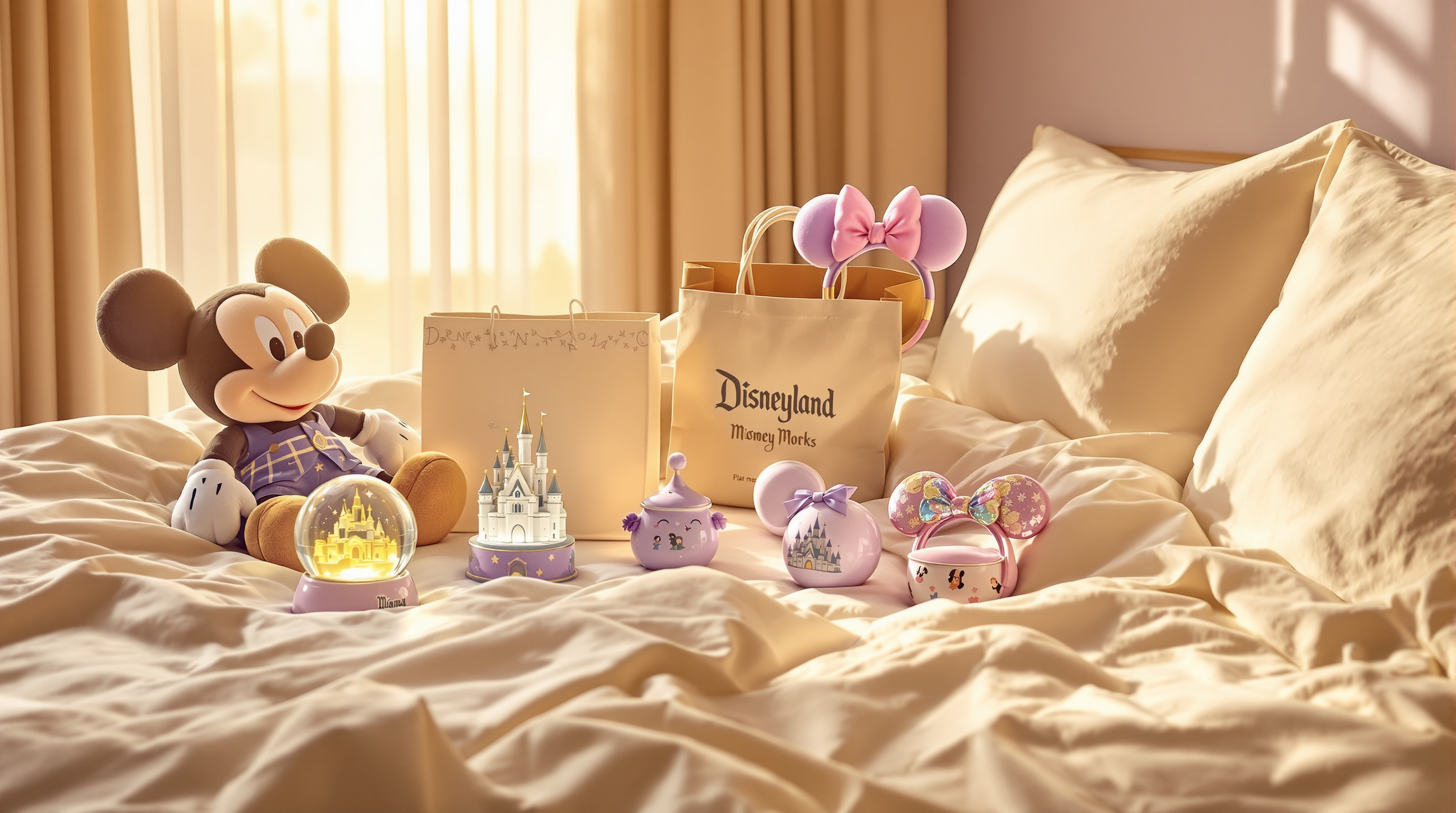
Disney ears, character outfits, light-up toys: the in-park merchandise is genuinely lovely, and genuinely expensive. A pair of Mickey or Minnie ears costs £28-35 inside the parks. The same or very similar styles are available on Amazon, eBay or from official Disney stores at home for £10-20.
If your kids (or you) want to wear themed outfits in the park, buy them before you travel. Primark has a consistent Disney range at very reasonable prices. Vinted is also a solid option for second-hand Disney costumes in good condition at a fraction of the retail price.
For in-park souvenirs, the most budget-friendly approach is to set a per-person allowance before you go and stick to it. £15-20 per child for one chosen souvenir is a reasonable expectation to set, and choosing one meaningful item helps avoid paying for lots of small impulse purchases. If you can, have a quick look in Disney Village before buying the first thing you see inside the parks. Agree on it before you arrive so there's no in-the-moment pressure.
Rain ponchos are worth buying before you travel too. The official Disney ones cost around £10-12 inside the park. A pack of disposable ponchos from Amazon or Poundland costs a fraction of that and works just as well. If you're visiting in the shoulder season, the chance of rain is real, so don't skip this one.
Beat the Queues Without Spending More
The official Disneyland Paris app is free and genuinely useful. Download it before you travel, create an account and link your tickets. On park days, check the live wait times map as soon as you arrive and prioritise the rides already building queues. On selected attractions, Single Rider lines can significantly reduce waiting times if your group is happy to split up.
Free entertainment and shows are included with admission, so mix those in on busy queue days.
Rope Drop Is Free
Arriving at park opening, which is called rope drop in Disney planning circles, is still the single most effective queue management strategy available. The first 60-90 minutes after opening consistently have the shortest wait times of the day across all major attractions, so this is the best time to head straight for popular rides before standby times jump. If you have Extra Magic Time through a Disney hotel booking, you get into the park 30 minutes before general admission, which is worth its weight in FastPass equivalent.
Premier Access: Use Selectively
Premier Access is Disneyland Paris's paid queue-skip system. Individual ride access costs £8-15 per person per attraction. For a family of four wanting Premier Access on three rides each, you're looking at £100-180 extra. That's a meaningful spend. The honest advice is this: use rope drop and the app to manage queues for free on most rides, and only buy Premier Access if there's one or two specific attractions with a 60-plus minute wait that you absolutely can't miss. Don't buy it pre-emptively for every ride.
If you want tips on keeping the broader trip cost manageable, our guide on how to plan a holiday step by step covers budgeting frameworks that apply well here.
Sample Budget for a Family of Four, Two Days
These figures are based on a January low-season midweek trip from London, booked 8-10 weeks in advance. They'll shift up in peak summer by 30-50% across most categories.
Budget Version: roughly £900-£1,100 total
Eurostar return (2 adults, 2 children): £240-300
2-night Val d'Europe hotel: £140-200
2-Day 2-Park tickets x4: £380-440 (low-season dated)
Food (supermarket breakfasts, packed lunches, one park meal per day): £80-100
Souvenirs (£15-20 per child): £30-40
Splurge Version: roughly £1,500-£1,900 total
Eurostar return: £300-380
1 night Hotel Santa Fe + 1 night Val d'Europe: £280-380
Tickets: £440-520 (shoulder season)
Food including two restaurant meals: £200-280
Selective Premier Access + souvenirs: £150-250
If spreading the cost helps make these numbers feel more manageable, paying for your trip in instalments is worth looking into before you book. Whether that's right for you depends on your own budget and circumstances.
Pre-Trip Checklist: Lock In Your Savings
Run through this before you confirm anything:
Check the price calendar first: Pick your dates based on ticket pricing, then book travel to match. Not the other way around.
Check the cheapest time on the calendar before you fix your visit date: It helps you lock in lower prices before availability changes.
Compare ticket sources: Official Disney site, Disney France, Disney Germany, and reputable resellers. Note the final checkout price including fees on each.
Buy before you travel rather than relying on same-day purchase: You’ll usually get better prices and avoid availability issues.
Book Eurostar or Eurotunnel early: Prices rise as the date approaches. Eight to twelve weeks out is usually the right window for best fares.
Buy ears and themed outfits before you travel: Amazon, Primark or Vinted. Do not buy them in the park.
Buy rain ponchos before you travel: Poundland or Amazon. Non-negotiable for shoulder season trips.
Pack snacks, refillable water bottles and a lightweight cool bag: Buy additional supplies at Auchan Val d'Europe on arrival.
Download the official app and create an account: Link your tickets before park day so you're not faffing at the gate.
Set a daily food budget and agree a souvenir allowance per child: Agree before you arrive, not when you're standing in front of a display of light-up wands.
If you're still thinking about how to cover the upfront cost, it's worth reading about practical ways to save for a holiday or comparing your options with our breakdown of pay monthly holidays versus loans versus credit cards.
Is Disneyland Paris expensive for families?
It can be, but the total cost is very controllable. The expensive version of a Disneyland Paris trip, Disney hotel, peak dates, in-park dining and premium tickets, can push a family of four past £2,000 for two days. The budget version, off-site hotel near Val d'Europe, low-season dated tickets, packed lunches and meals from the supermarket, sits closer to £900-£1,100 for the same two days.
The biggest variable is accommodation. Staying off-site and travelling in January, February or November (avoiding half-terms) makes the most significant difference. Tickets and food are also manageable if you plan ahead rather than making decisions at the gate.
Can you bring food and drink into Disneyland Paris?
Yes. Disneyland Paris allows guests to bring their own food and sealed soft drinks into both parks. This includes sandwiches, fruit, crisps, cereal bars and refillable water bottles. Water fountains help you top up during the day instead of buying drinks inside. You'll go through a bag check at the entrance, but sealed snacks are waved through without issue.
Hot food and glass containers are not permitted. Alcohol is also not allowed in. A small cool bag or insulated bag works well for keeping sandwiches fresh during a morning session. This policy is one of the most budget-friendly things about the resort and it's worth making the most of it.
What are the cheapest months to visit Disneyland Paris?
January after New Year and mid-November are usually the cheapest time to visit, with the lowest ticket prices and smallest crowds in most years. Specific weekdays in February can also be cheap if you avoid half-term windows, and if your dates are flexible it's also best to steer clear of school holidays. Mid-September and the first half of October offer good value too, with mild weather and lower crowds than summer, though prices have risen during these months as they've become more popular.
The most expensive periods are July, August, the Easter fortnight, Christmas week and New Year. If you have any flexibility, avoid these dates and you'll save on tickets, hotels and in-park queuing simultaneously.
Is it worth staying at a Disney hotel or should you stay off-site?
It depends on how you use the perks. Disney hotels give you Early Entry (Extra Magic Time), which is a genuine advantage if you use it to ride major attractions before the queues build. They also give you direct resort access and the immersive experience of staying in the Disney bubble, which some families value highly. For travellers who still want Extra Magic Time, Disney Hotel Santa Fe is usually the best value on-site option.
Off-site hotels near Val d'Europe are typically 60-70% cheaper per night, and some include a free shuttle bus, which can narrow the convenience gap. For a two-night stay, that saving could fund a full extra day of tickets. The split-stay approach, one night on-site for early access, one or more nights off-site, gives you the best of both and is worth pricing up before you book.
Is driving from the UK cheaper than taking the Eurostar to Disneyland Paris?
For solo travellers and couples, Eurostar booked early is usually cheaper and far more convenient: it drops you directly at the park resort with no transfer needed. For groups of four or more, driving via Eurotunnel or a DFDS ferry generally wins on total cost because you split the crossing fee and eliminate individual fares.
A Eurotunnel return booked 6-8 weeks ahead typically costs £130-£180 for the car regardless of how many people are in it. Four Eurostar return tickets for the same journey at reasonable advance fares would be £240-£320 or more. Add parking at the resort (around £15-20 per day at official Disney car parks) and the driving saving narrows slightly, but for large groups it usually still comes out ahead.
The Bottom Line
A budget Disneyland Paris trip is genuinely achievable, and you can still have a magical trip without paying peak-price rates. The magic doesn't require a five-star Disney hotel or peak-summer pricing: it's in the rides, the characters and the atmosphere, all of which are the same whether you paid £60 or £200 per night for your bed.
The formula is simple: flexible dates, dated tickets bought early, Val d'Europe as your base, a supermarket run before park day, and ears bought before you leave home. Do those five things and you'll save money compared with the average visitor without noticing the difference. If spreading the cost helps you plan more confidently, that's worth looking into too; just make sure it fits your budget before you commit.
Ready to Plan Your Disneyland Paris Trip?
We built Fair Financing (subject to eligibility) so you can spread the cost of your trip in monthly payments rather than one big lump sum. Explore your options on Vuelo and get your Paris adventure planned.