Key Takeaways
January is peak season for long-haul sunshine: destinations like Thailand, the Maldives and Barbados sit in their driest, sunniest months, with sea temperatures above 27C.
Tenerife is the best value short-haul option: average temperatures of 20-22C and flight times under five hours make it the most practical European winter escape.
Prices spike around the New Year window: the cheapest January flights and packages typically go on sale in mid-October to early November, four to twelve weeks before departure.
Southeast Asia delivers the best weather-to-cost ratio: Thailand, Vietnam and Bali all sit in dry season in January and remain cheaper than Caribbean alternatives for UK travellers.
Spreading the cost makes January easier to book: our Fair Financing option lets you lock in early-bird prices without paying everything upfront, subject to eligibility.
January has a hidden advantage most guides skip: post-2 January, crowds drop sharply at many resorts, meaning you get peak-season weather with shoulder-season atmosphere.
The Destinations at a Glance
Here is the full list of January destinations covered in this guide, ordered from the shortest flight times to the longest.
Tenerife, Canary Islands
Lanzarote and Gran Canaria, Canary Islands
Cape Verde
Dubai and Abu Dhabi, UAE
Oman
Barbados and the Caribbean
Kenya and Tanzania
India (Goa and Kerala)
Sri Lanka
The Maldives
Thailand
Vietnam
Bali, Indonesia
Why January Is Actually a Great Month to Travel
January is one of the easiest months to answer the question where is hot in January: Thailand, the Maldives, Barbados and the Canary Islands, especially Tenerife, are all reliably warm, with temperatures from around 20°C to above 30°C and mostly dry, sunny weather. Once you get past the post-Christmas guilt and look at the numbers, it is also one of the best times to travel: UK schools are in session, the festive rush is over, and a huge chunk of the world is sitting in its driest and most reliable weather window of the year. For UK travellers comparing warm destinations, these are among the best holiday destinations for January travel.
Here is the detail most guides skip: while prices peak in the last week of December and the first two days of January, they fall noticeably from 3 January onwards. If you can fly mid-January, you often get peak-season sunshine with shoulder-season prices and crowds, which is exactly why it is such a good window for winter sun escapes. Jet2holidays data from recent years consistently shows January departures after the 5th sitting 15-25% cheaper than late December equivalents for the same Canary Islands resorts.
For the UK specifically, January also has a psychological advantage. The nights are long, the news is grim, and having a trip locked in gives you something to look forward to. That alone is worth something. If budget is the concern holding you back, it is worth looking at buy now pay later holidays as a way to secure the early-bird rate without draining your account in January's first week.
The destinations below cover every budget and flight time, from a five-hour hop to Tenerife to a twelve-hour journey to Thailand, with practical detail on weather, flight times, typical costs, booking timing, payment options and the regional quirks that matter when choosing. All of them have one thing in common: reliable sunshine in January.
Tenerife: The Dependable Canary Islands Short-Haul Pick
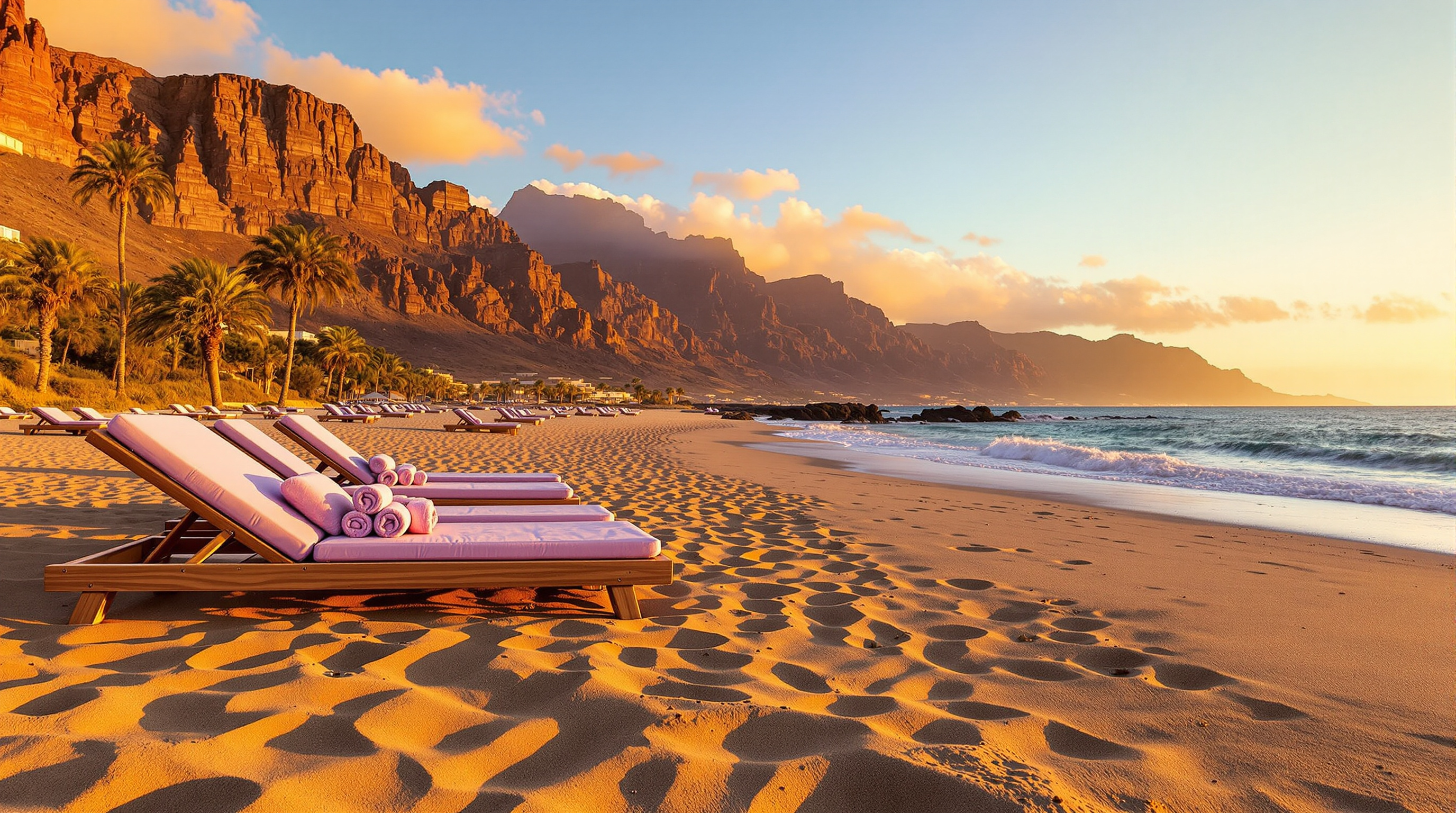
Tenerife is the most reliable short-haul destination for January sunshine and it earns that reputation on the numbers. The south of the island typically sees daytime temperatures of 20-22C in January, with around seven hours of daily sunshine and a sea temperature of 19-20C, which is warm enough for swimming if you are acclimatised to UK standards.
Flight time from most UK airports is four to five hours, and Ryanair, easyJet and Jet2 all operate direct routes from regional airports including Manchester, Bristol, Edinburgh and Belfast. Return flights in mid-January start from around £80-120 on budget carriers, and all-inclusive packages with Jet2holidays typically start from £550-750 per person for a week, depending on your departure airport and hotel grade.
The thing that surprises most first-timers is how different the north and south feel. Playa de las Americas in the south is full sun, big resorts, and very little rain. Puerto de la Cruz in the north is greener, cooler and better for culture. Tenerife also works well for travellers who want scenic hiking trails and family-friendly activities, not just resort time. Most people chasing January warmth should head south. I spent a week in Los Cristianos in January a couple of years back and genuinely needed factor 30 by day three.
For the best beach options, our guide to the best beaches in Tenerife covers the full island. January is one of the quieter months, so you will not be fighting for a sunlounger. It is also one of the strongest picks in europe in january if you want to relax on the beach or explore beyond the resorts, and it is often considered among the warmest place options in Europe at this time of year.
Thailand: Best January Destination in Southeast Asia
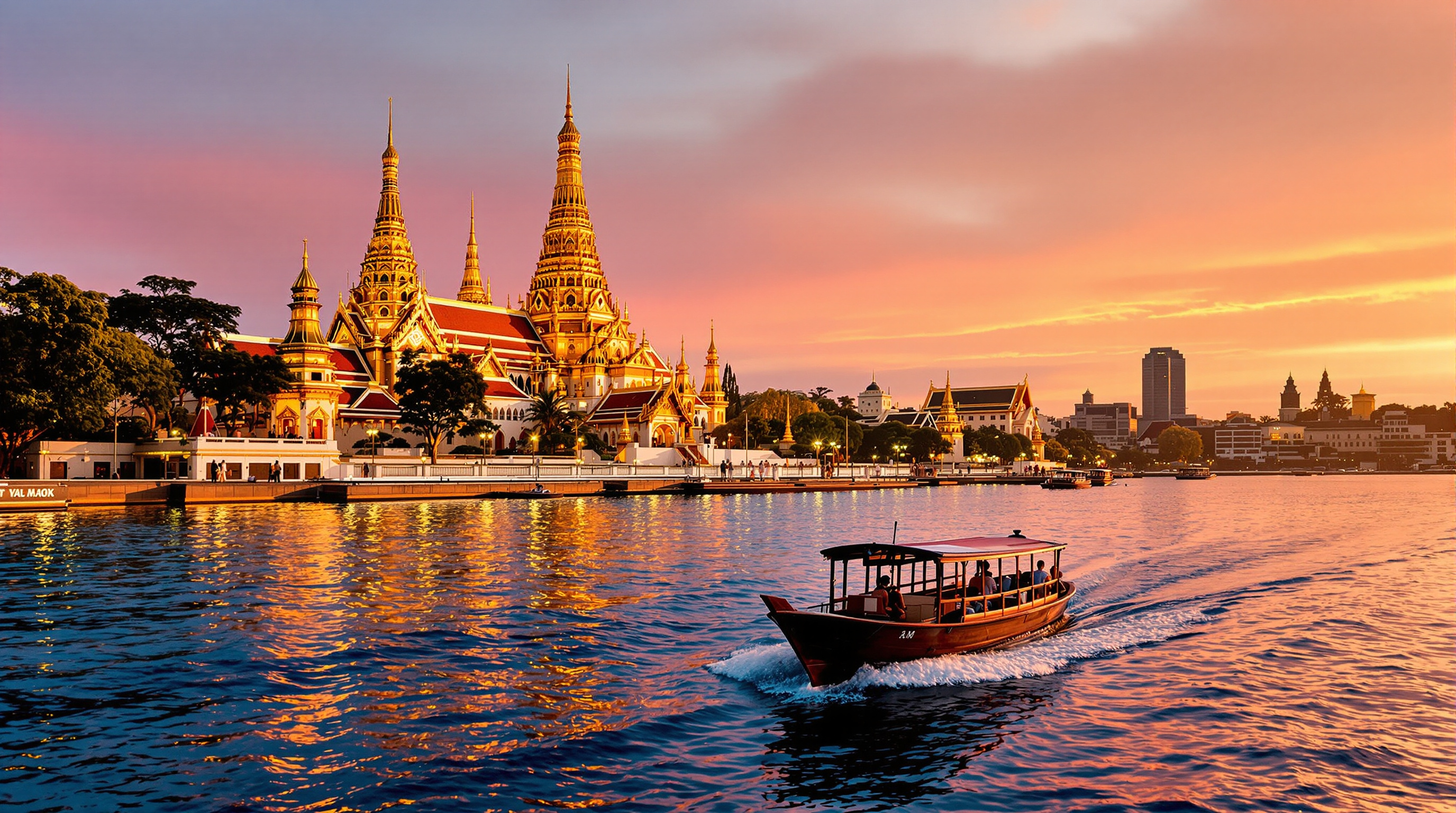
Thailand in January is exceptional. The country sits firmly in its cool dry season, which runs November through February, and January specifically delivers the most consistent conditions of the year. Bangkok averages 32C, Chiang Mai is cooler at around 25C, and the islands of Koh Samui and Phuket sit at 28-31C with minimal rainfall, making Thailand a top winter sun holiday choice for warm temperatures and beautiful beaches.
The one regional nuance worth knowing: Koh Samui and the Gulf of Thailand islands (Koh Phangan, Koh Tao) have a slightly different monsoon pattern to the west coast. January is actually still their short rainy season. For guaranteed sunshine on the islands in January, choose Phuket, Krabi, or Koh Lanta on the Andaman coast rather than Koh Samui. Phuket is especially strong if you want beach activities and vibrant nightlife.
Flight time from the UK is around 11-12 hours, typically with one stop. British Airways flies direct from Heathrow to Bangkok Suvarnabhumi from around £550-800 return in January. Package deals with TUI can bring the all-in cost down to £900-1,200 per person for 10 nights including accommodation.
January is also Thai festival season. The Chiang Mai Flower Festival typically runs in early February but the lead-up events and markets start in late January. If you want culture alongside the heat, timing your trip for the last week of January rewards you with something most beach-focused travellers miss entirely, with delicious food and plenty of chances to taste local dishes as well.
The Maldives: January Is Peak Season

The Maldives in January is as good as it gets. The northeast monsoon keeps skies blue and seas calm from December through April, and January sits right in the heart of that window. Average temperatures run 28-30C, water visibility is outstanding for snorkelling and diving, and the humidity is lower than it will be for the rest of the year. It is especially hard to beat if your priority is pristine beaches and crystal clear waters.
The trade-off is price. January is the Maldives' peak season, and rates at luxury hotels and private-island style stays reflect it. A mid-range overwater bungalow at a mid-atoll resort will typically cost £300-600 per person per night, and that is before flights. British Airways and Qatar Airways both fly from London, with journey times of around 10-11 hours via Doha or direct.
The smarter approach for budget-conscious travellers is to choose a guesthouse island rather than a private resort. Maafushi and Thulusdhoo both have licensed guesthouses from around £60-120 per room per night and give you access to the same water and reef conditions as the expensive resorts nearby. For a full breakdown of how to visit without the eye-watering price tag, our Maldives on a budget guide walks through exactly that.
One thing to flag: if you are planning a January honeymoon or babymoon in the Maldives, book at least six months ahead. January availability on premium resorts sells out quickly and last-minute options are limited and expensive, partly because higher-end stays often bundle extras such as a private pool. It is also a favourite month for travellers who simply want to relax in a tropical island setting.
Barbados and the Caribbean: Sunshine With a Price Tag
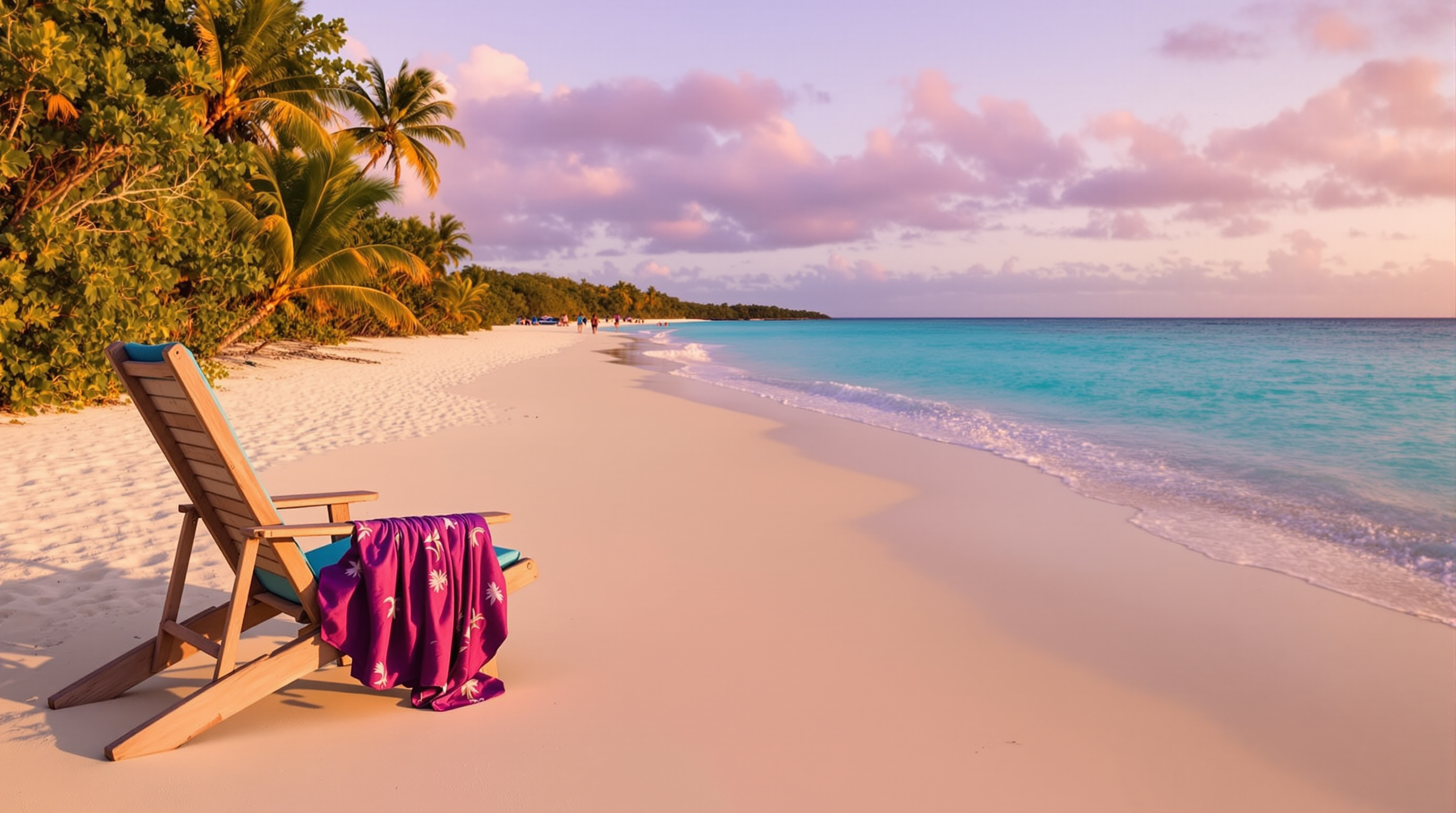
Barbados average temperature in January is around 28-30C, with low humidity, trade winds keeping things comfortable, and the sea sitting at a constant 26-27C. It is arguably the most reliably pleasant climate on earth for the month, and the island's east coast gets slightly more wind and fewer crowds than the calm west coast if you prefer that feel. Beyond the beaches, the island also has a polished local atmosphere with beach clubs and cultural events that add to its appeal.
The honest caveat is cost. Barbados is one of the more expensive Caribbean destinations. A week in a good hotel on the Platinum Coast starts from around £1,500-2,000 per person including flights from the UK, with British Airways flying direct from Gatwick in around eight hours. TUI and Virgin Holidays both run package options that can bring costs down slightly. Barbados also appeals for its award-winning restaurants and lively beach bars, so it suits visitors who want warm weather with a polished resort scene.
If Barbados sits outside your budget, consider these January alternatives in the region:
Cuba (Varadero): averaging 26C in January, cheaper than most Caribbean islands, and Jet2holidays runs packages from around £900-1,100 per person.
Dominican Republic (Punta Cana): 28C average, one of the most competitively priced all-inclusive markets in the Caribbean, with TUI packages from around £850 per person for a week.
Jamaica: 28-30C in January, direct flights with British Airways from Gatwick, and a wider range of accommodation from boutique to all-inclusive.
The Caribbean's January pricing is heavily influenced by the US holiday calendar, so the week of Martin Luther King Day (mid-January) often sees a short price spike on accommodation. Fly the week before or after if you can.
Bali: Warm but Pick Your Area Carefully

Bali is warm in January, averaging 28-30C, but it sits in its wet season from November through March. That does not make it a write-off, it means you need to choose where you stay and what you plan to do with some care.
The northwest coast, particularly around Pemuteran, receives significantly less rainfall than the south in January. Seminyak, Kuta and Canggu in the south get more frequent afternoon downpours, but these are usually short and intense rather than all-day affairs. Mornings are typically dry and sunny across the island.
The wet season also brings a hidden advantage: Bali is notably quieter in January than in July and August, when the island is at capacity. Beach clubs, rice terrace viewpoints and the popular temple sites at Uluwatu and Tanah Lot are all far more manageable. For a couple or a group looking for a lively but not overwhelming trip, mid-January Bali often delivers a better experience than peak summer.
Flight time from the UK is around 14-16 hours with one stop, typically via Dubai, Singapore or Kuala Lumpur. Emirates, Singapore Airlines and KLM all offer competitive January fares, usually ranging from £600-900 return. TUI currently does not operate direct Bali packages, so most UK travellers book flights and accommodation separately or through a specialist operator. If the upfront cost is a barrier, paying for flights in monthly instalments is worth exploring before you rule the trip out.
Sri Lanka, Vietnam and Other Southeast Asia Gems

January is one of the best months for both Sri Lanka and Vietnam, and neither destination gets the same attention as Thailand despite offering comparable weather and, in many cases, better value.
Sri Lanka
The south and west coasts of Sri Lanka, including Mirissa, Unawatuna and Bentota, are in their prime dry season in January, with golden beaches, warm seas and reliable sunshine. Temperatures sit at 28-31C and sea conditions are ideal, and the mix of natural beauty and outdoor activities adds to the appeal beyond the weather alone. The east coast (Trincomalee, Arugam Bay) is in its wet season and best avoided. January is also one of the best months for whale watching off Mirissa, with blue and sperm whales both present. A week in a good beachfront guesthouse costs from around £80-120 per night, and return flights from the UK average £550-750 with Sri Lankan Airlines or Emirates.
Vietnam
Vietnam's geography means different regions have opposite weather patterns. In January, the south (Ho Chi Minh City, Phu Quoc island) is dry and sunny at 28-32C. The centre and north (Hoi An, Hanoi) can be cool and overcast. If sunshine is your goal, fly into Ho Chi Minh City and head straight to Phu Quoc island, which sits at the top of most weather rankings for January in Southeast Asia.
Both countries reward travellers who plan a few months ahead. Checking our tips for finding cheap flights can make a real difference to what you pay on the longer-haul routes.
Dubai and Abu Dhabi: Reliable Heat, No Rain
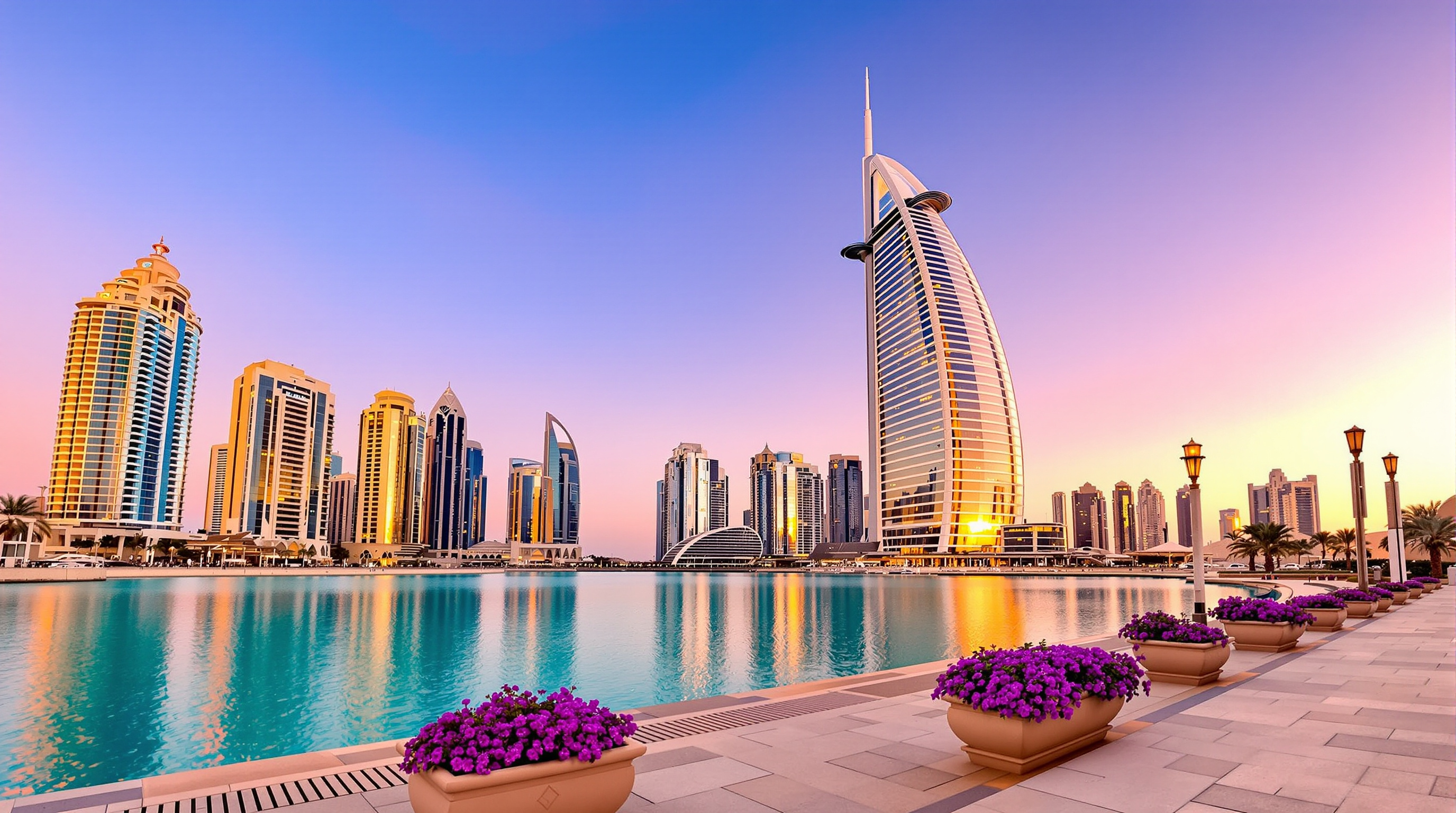
Dubai in January averages 24-26C with virtually zero rainfall and around eight hours of sunshine per day. It is the most consistent winter sun destination for a short-haul-adjacent trip, given that flight time from the UK is only around six to seven hours, with some routes taking as little as six hours.
January is actually one of the best months to visit Dubai specifically because the heat is comfortable rather than overwhelming. July and August push above 40C, which makes outdoor activity impractical. January sits at a level where you can genuinely enjoy the beach, outdoor dining, and the city's many walkable areas like Dubai Marina and Al Fahidi, and milder conditions also make outdoor activities more practical than in summer.
The practical pricing picture: January is Dubai's high season, and hotel prices reflect that. A mid-range hotel in the Marina or JBR area will typically run £150-250 per room per night. Flights from the UK with Emirates, flydubai or British Airways start from around £350-500 return in January, though Emirates frequently runs sale fares in the £300-400 range if you book eight to twelve weeks ahead.
One thing most guides do not flag: Dubai charges resort fees at many hotels, which can add £20-50 per night to your bill after booking. These are not always shown upfront on comparison sites. Our breakdown of what resort fees actually are and how to spot them is worth a read before you confirm your hotel.
Abu Dhabi offers very similar weather (25-27C in January) and is often 15-20% cheaper on accommodation than Dubai for comparable quality, with fewer crowds. Even in January, plan around the midday sun, stay safe, and follow local guidance on heat and conditions.
Kenya and Tanzania: Safari Season Starts

East Africa in January is an underrated choice for UK winter travellers and one that almost no mainstream holiday guide positions clearly. Kenya and Tanzania both sit in a short dry spell between their two rainy seasons in January, with temperatures of 26-32C depending on region, low humidity, and excellent wildlife visibility because the vegetation is not at its densest. It is one of the strongest picks if you want nature and adventure rather than a standard beach break.
January is particularly good for the following:
Amboseli National Park (Kenya): large elephant herds are active and Kilimanjaro backdrops are often clear. January sits outside the peak July-October safari season, meaning fewer vehicles at sightings.
Serengeti (Tanzania): the southern Serengeti sees calving season in January, when hundreds of thousands of wildebeest give birth. It is one of the most dramatic wildlife spectacles on earth and it is genuinely under-visited compared to the July crossing.
Zanzibar: 28-30C, calm seas, and it connects easily to a Serengeti itinerary. January sits just before the March-May rains and delivers reliable beach weather, with beautiful beaches and time to relax after safari days.
Specialist operators like Inspiring Travel Company and Abercrombie and Kent dominate the safari market, with seven-to-ten night Kenya or Tanzania packages starting from around £2,500-3,500 per person including flights. Flight time from the UK is 8-9 hours to Nairobi with Kenya Airways or British Airways, or around 9-10 hours to Dar es Salaam or Kilimanjaro. Combined well, the safari-and-coast mix can create an unforgettable experience.
Other Winter Sun Escapes Worth Considering in January
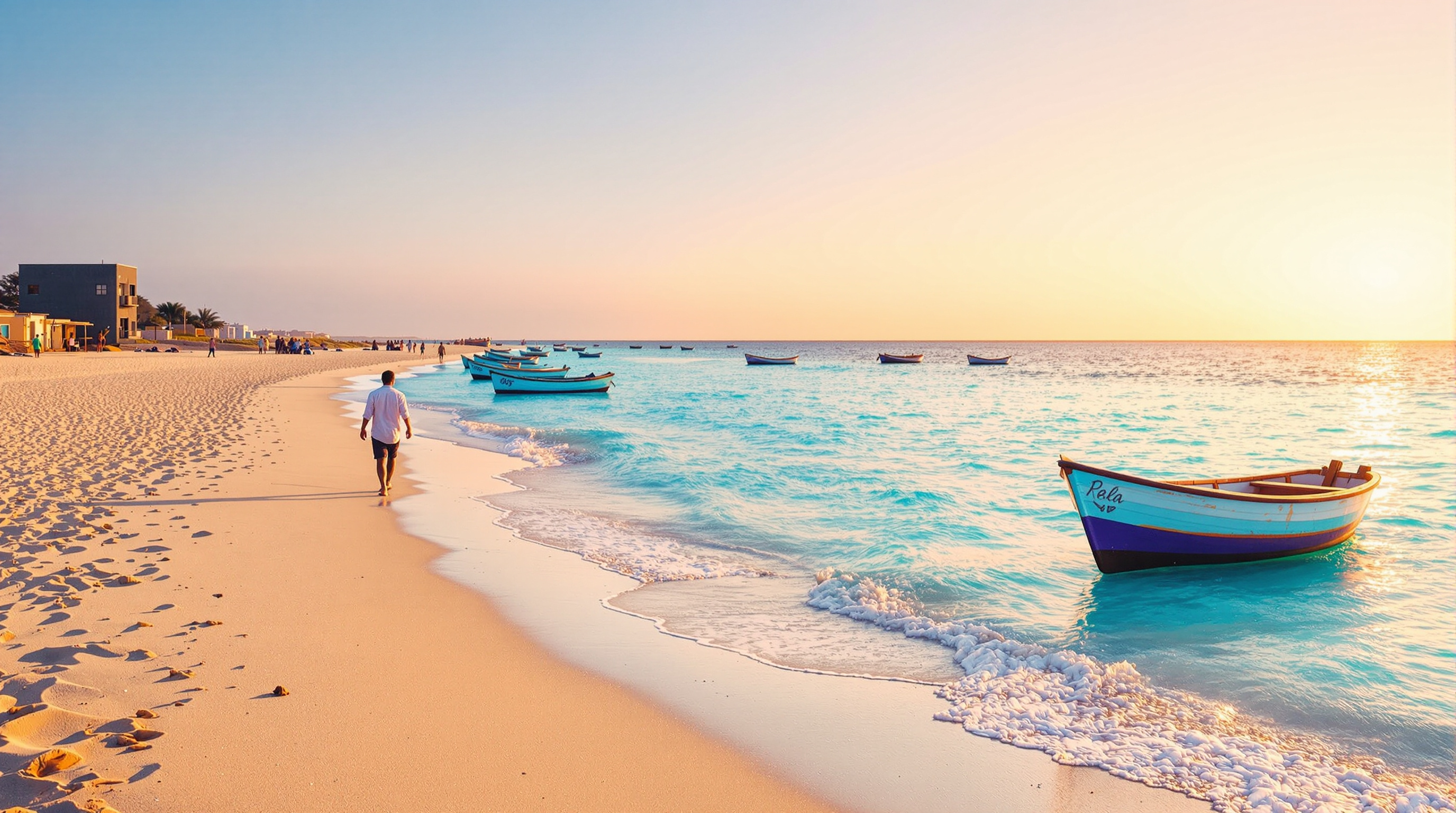
Beyond the headline picks, here are destinations that consistently deliver heat in January and do not always appear on the standard lists.
Lanzarote and Gran Canaria
Both Lanzarote and Gran Canaria sit at 19-21C in January and offer mild temperatures, and are often 10-15% cheaper than Tenerife packages for comparable weather. Lanzarote's volcanic landscapes make it more distinctive than Tenerife for active travellers. Travellers can explore volcanic landscapes on Lanzarote, while Gran Canaria is often better for warmer days on a simple beach break. Ryanair and easyJet both run direct routes from most UK regional airports.
Cape Verde
The Cape Verde archipelago off West Africa averages 23-25C in January with strong trade winds, making it ideal for windsurfing and kitesurfing. Sal and Boa Vista are the main beach islands. TUI runs direct packages from around £700-900 per person for a week all-inclusive.
Oman
January is Oman's best month: 24-26C on the coast, no rain, and the country is far less crowded than Dubai. Muscat is a genuinely interesting city and the Wahiba Sands desert is an easy day trip. BA flies direct from Heathrow in around seven hours.
India (Goa and Kerala)
January is peak season for Goa and Kerala, with 29-31C temperatures and dry conditions. Goa is well-served by charter flights with TUI and Jet2holidays, while Kerala is largely independent-operator territory and both also offer ancient temples alongside backwaters, beaches, and the heat.
For a broader view of winter options that go beyond January, the best winter sun destinations for UK travellers covers the full season with pricing context.
When to Book for January and How to Pay
The best time to book a January holiday is October to early November, roughly 10 to 14 weeks before departure. This is when the largest number of seats and rooms are still available and before the late-November promotional period drives prices back up. Skyscanner's price alert tool is useful for tracking flight fare movements on specific routes.
A few practical points on timing:
New Year departures (28 Dec to 4 Jan): the most expensive window by far. Expect to pay a 20-35% premium on flights and packages versus the same trip two weeks later.
Mid-January (5-22 Jan): the sweet spot. Prices drop, airports are quieter, and destinations are less crowded.
Late January (23-31 Jan): school half-term in Scotland falls in the last week of January, which pushes Scottish departure prices up slightly. Worth checking if you are flying from Edinburgh or Glasgow.
On the payment side, January is a difficult month financially for most households after Christmas, especially when they are already managing what they spend. If you want to lock in an early-bird price without paying everything upfront, Fair Financing through Vuelo lets you spread the cost of your booking over a set period, subject to eligibility. Whether that works for your situation depends on your own budget and circumstances, so it is worth thinking through the total cost before you apply. For more on how the options compare, our guide to holiday loans and financing alternatives lays it out honestly.
Where is the hottest place with the highest average temperatures in January for a UK holiday?
The hottest destinations for UK travellers in January are typically in Southeast Asia and the Indian Ocean. Thailand (Phuket, Krabi) averages 31-33C, the Maldives sits at 28-30C, and Sri Lanka's south coast reaches 29-31C. All three sit in their driest months and deliver the most consistent sunshine of the year.
For short-haul options, the Canary Islands (Tenerife, Lanzarote, Gran Canaria) are among the warmest places in Europe reachable in under five hours from the UK, averaging 20-22C in January, while southern Portugal is another option for mild weather. Dubai is a strong mid-haul option at 24-26C with virtually no rainfall.
Is Bali worth visiting in January despite the rain?
Yes, with the right expectations. Bali is warm in January (28-30C) but it is in its wet season, so afternoon rain showers are common, particularly in the south around Seminyak and Canggu. The northwest coast around Pemuteran receives noticeably less rainfall and is a better choice if sunshine consistency matters to you.
The upside of January in Bali is that crowds are much lower than in July and August. Temples, rice terraces and beach clubs are all more relaxed. If you pair your trip with indoor cultural experiences (cooking classes, temple visits in the morning, spa days) rather than expecting wall-to-wall beach days, January Bali can be genuinely rewarding.
What is the cheapest hot country to visit in January from the UK?
On a total cost basis (flights plus accommodation), Tenerife and Lanzarote are the cheapest hot destinations in January for UK travellers. All-inclusive packages start from around £500-650 per person for a week, and budget airlines including Ryanair and easyJet keep flight prices competitive with return fares from around £80-130.
For long-haul, Vietnam (specifically Phu Quoc island in the south) and India (Goa) offer the best weather-to-cost ratio. A week in Goa with flights and a mid-range hotel typically comes in at £700-1,000 per person total, which undercuts the Caribbean and the Maldives significantly while still delivering 30C temperatures and a dry January climate.
Is January a good time to go to Thailand?
January is one of Thailand's best months for travel. The country is firmly in its cool dry season, with temperatures of 28-33C and very low rainfall across most of the country. The Andaman coast islands (Phuket, Krabi, Koh Lanta) are particularly reliable in January, with calm seas ideal for snorkelling and island hopping.
The exception is the Gulf of Thailand coast, including Koh Samui and Koh Phangan, which experience their own short rainy season in November through January. If you want guaranteed island sunshine in Thailand in January, choose the Andaman side rather than the Gulf side. Bangkok and Chiang Mai are both excellent in January: warm, dry, and significantly less crowded than in peak European school holiday periods.
How far in advance should I book a January holiday for the best price?
For most January destinations, the best prices appear 10 to 14 weeks before departure, which puts the optimal booking window in mid-October to early November. This is when airlines and tour operators have opened full January inventory but have not yet started promotional campaigns that temporarily inflate demand and pricing.
For the most in-demand January destinations (Maldives private resorts, Barbados, peak Kenya safari camps, Cape Town at an average 25°C in January), book earlier: four to six months ahead gives you the widest choice and protects against sold-out availability. It is especially appealing if you want to combine wine tours and wildlife safaris with warm January weather. For flexible short-haul options like Tenerife, last-minute deals in late November and December can work, but you are gambling on availability rather than planning smartly. Booking early and spreading the cost is generally the better approach for most budgets.
The bottom line
January genuinely delivers for travellers who plan ahead. The world's best warm weather is available right now, from the Canary Islands at five hours to the Maldives at eleven, and the post-Christmas crowd drop means you often get peak-season conditions without peak-season pressure.
The destinations that stand out most clearly: Tenerife for short-haul ease and value, Thailand's Andaman coast for long-haul sunshine reliability, and Kenya's Serengeti for something genuinely different. The list spans everything from Europe in January to long-haul tropical breaks. Whatever you choose, the booking window matters. October to early November is when the best combination of price and availability exists for most January trips. Lock it in early, and January stops being something to endure and starts being something to look forward to.
Ready to book your January sunshine escape?
We built Fair Financing so you can lock in early-bird prices without paying everything upfront. Spread the cost of your January trip in a way that works for your budget, subject to eligibility.