
Key Takeaways
Lisbon is Europe's best-value city break right now: average return flights from London sit around £80-£120, and a three-night stay in a mid-range hotel costs roughly £300-£400 total.
Budapest punches far above its price tag: daily spend averages £50-£70 per person including food, drinks, and entry to the iconic thermal baths.
Prague and Krakow are the weekend warriors' top picks: both cities sit within a two-hour flight from the UK and regularly feature in Skyscanner's most-searched short-break destinations.
Seville and Porto are the warm-weather city breaks Europe does best: shoulder season (March to May, September to October) brings mild temperatures and far fewer crowds than the big-hitter cities.
Spreading the cost makes city breaks more accessible: with Fair Financing (subject to eligibility), you can book now and pay in manageable instalments rather than paying everything upfront.
Booking 6-10 weeks out often hits the sweet spot on price: city break flights on easyJet and Ryanair tend to dip in that window versus last-minute or very early booking.
The 12 Cities: Quick Jump Guide
Before we dive deep into each destination, here is your at-a-glance list. Click any city to jump straight to the full section.
These are not random picks. I pulled data from Skyscanner's 2024 city-break trend reports, cross-referenced average hotel rates on Booking. com, and added personal experience where I have actually been. A few surprises made the cut. A few obvious choices got cut because the price-to-experience ratio no longer holds up. Let's get into it.
Lisbon: Europe's Best City Break Right Now

Ask anyone who has been in the last two years and they will say the same thing: Lisbon hits differently. The light is extraordinary, the hills are dramatic, and with its coastal feel and easy access to the water it also works brilliantly for a summer holiday, while the pastéis de nata cost 90 cents each and a cold Sagres at a miradouro viewpoint at sunset is one of the best travel moments in Europe, full stop.
I spent four days here in October 2023 and genuinely could not stop taking photos. Trams rattle up streets so steep they look like a joke. Alfama's tiled facades catch every angle of the afternoon sun. And the local cuisine, particularly the grilled fish and the petiscos (Portuguese tapas), is absurdly good for the money. Lisbon really does feel like the perfect city break.
The numbers
Return flights from London: £80-£140 with easyJet or TAP Air Portugal, booked 6-8 weeks out.
Mid-range hotel (3 nights): £280-£420 depending on neighbourhood.
Daily spend: Budget comfortably on £55-£75 per person including meals, drinks, and transport.
Best months: March to May, and September to November. June to August is hot, busy, and pricier. If you want warm evenings without the crowds, late September is the sweet spot. Skyscanner's 2024 data consistently placed Lisbon in the top three most-searched European city break destinations in Europe for UK travellers, which helps explain why it remains one of the most popular destinations for a European break.
Budapest: The Cheap European City Break and Thermal City That Costs Almost Nothing

Budapest is a cheap European city break I keep recommending to people who say city breaks are too expensive. It is not too expensive here. In fact, if you strip out flights, you can live exceptionally well in Budapest on £50-£70 a day. That means proper sit-down dinners, cocktails on the ruin bar strip on Kazinczy Street, and a full afternoon at the Széchenyi thermal baths, known for their grand outdoor medicinal pools (entry is around £18). Budget-friendly options include wandering historic streets and enjoying the nightlife without spending much.
Budapest is often called "the Little Paris of the East."
The city is split by the Danube into Buda (hilly, castle-topped, quieter, with more of that historic city feel) and Pest (flat, buzzy, full of coffee shops, street food, and vibrant nightlife). Most people base themselves in Pest, which is fair, but an evening walk up to Fisherman's Bastion on the Buda side for the city lights is genuinely one of the best free things in Europe.
The numbers
Return flights from London: £90-£160 with Ryanair, Wizz Air, or BA.
Mid-range hotel (3 nights): £200-£320.
Daily spend: £50-$70 per person all-in.
Budapest’s public transport is affordable and efficient, so it works well for weekend breaks because it’s easy to cover both Buda and Pest on a short stay.
Best months: April to June and September to October. July and August are very hot (35°C is not unusual) and the city fills up with stag weekends, which is fine if that is your vibe, but not ideal for a relaxed break. For a warm October city break, Budapest is one of the top picks in Europe and one of the best city breaks for travellers who want value and atmosphere.
Seville and Porto: Warm-Weather City Breaks Done Right

Two cities. Both warm. Both underrated compared to their northern cousins. Both absolutely worth your time.
Seville
Seville in spring (March to May) is the best city break in Europe and an ideal destination for travellers who want sunshine and culture on a short break. Temperatures sit around 22-26°C, the orange blossom is in full bloom during April's Feria de Abril festival, and the tapas culture here is different to the rest of Spain. It also has a fascinating history, with roots going back to the 8th century BC. Tapas in Seville often still comes free with a drink. Return flights from London on Ryanair or Jet2holidays packages typically land between £100-£200 per person, and a three-night hotel in the Santa Cruz neighbourhood averages £250-£380. Seville’s airport is conveniently close to the city, and its historic core and beautiful gardens make it especially rewarding for a short city break.
Porto
Porto is Lisbon's cooler older sibling. Smaller, rawer, less polished, and an ideal city for travellers who want something less polished than Lisbon. The Ribeira waterfront is a UNESCO World Heritage Site. The wine caves across the river in Vila Nova de Gaia offer port tastings for £5-£15, and it's also a good place to try local wine. And the francesinha sandwich (a very serious meat and cheese toastie in a spiced tomato sauce) is worth the trip alone. Flights from London on easyJet or TAP Air Portugal run £70-£130 return. Budget around £55-£70 per day on the ground in one of the more beautiful cities on this list.
Krakow and Prague: The Weekend Warriors' Favourites

If you have a long weekend and want maximum return for minimum travel time, Krakow and Prague are two of our favourite European city breaks and the best city break in Europe for pure efficiency.
The Old Town is a UNESCO World Heritage Site. Krakow’s Main Market Square is the largest medieval square in Europe.
Krakow
Krakow is criminally underrated for culture. The Old Town is a UNESCO World Heritage Site, and its cobbled streets are a big part of the atmosphere around Wawel Castle and the historic centre. The Kazimierz Jewish Quarter is one of the most atmospheric neighbourhoods in Central Europe. And Wawel Castle overlooks the whole city from a river cliff. Ryanair flies direct from London Stansted for as little as £40-£80 return if you book at the right time. Daily spend on food, drink, and entry tickets: around £35-£50. A three-night trip all-in (flights plus a solid central hotel) can come in under £400 per person, which is remarkable value and makes Krakow a perfect city for a budget-conscious cultural escape.
Prague
Prague is busier and a little pricier than Krakow now, but still punches well below its visual impact. The Charles Bridge at 6am before the crowds arrive is one of those genuinely magical travel moments. Old Town Square, the Astronomical Clock, the castle district, and the winding streets around the historic centre are among Prague’s iconic sights, while the absurdly good Czech dumplings mean this city rewards slow wandering too. Flights on easyJet or Ryanair from London run £60-£130 return. Mid-range hotel for three nights: £220-£350. Daily spend: £50-£65 per person.
Amsterdam and Rome: The Classics, Revisited

Yes, everyone goes. No, that does not mean they are wrong.
Amsterdam
Amsterdam is one of those cities that keeps revealing new layers no matter how many times you visit. The canal belt, the Jordaan neighbourhood, Vondelpark on a sunny afternoon, the Rijksmuseum (book tickets well ahead, the queues are no joke): it all holds up, and Amsterdam is especially strong for art lovers. The city also has excellent art galleries alongside its major museums. Canal cruises are also a great way to see the historic merchant houses and bridges from the water. What has changed is the price. Amsterdam is no longer cheap. Mid-range hotels in the city centre now run £150-£220 per night in peak season, and eating out is broadly on par with London, even though Amsterdam remains one of Europe’s most popular destinations. It is also easy to explore on foot or by bike. That said, return flights from London on easyJet or BA are frequently under £100, and a three-night trip is very achievable at around £600-£800 per person all-in if you book sensibly.
Rome
Rome, the eternal city, does not need much introduction. The Colosseum, the Vatican, the Trevi Fountain, the pasta at a trattoria that has not changed its menu since 1987: it is all real and it is all as good as people say, and Rome remains one of the best European cities for timeless sightseeing. The key is avoiding July and August (too hot, too packed) and pre-booking everything. Flights on easyJet, Ryanair, or BA from London: £70-£160 return. Three-night hotel near Trastevere or Monti: £280-£450. Daily spend: £60-£80 per person. If you are planning a Rome trip as a romantic getaway, our honeymoon destination guide also covers Italian picks worth considering.
Dubrovnik, Ghent and Thessaloniki: The Ones Worth the Effort
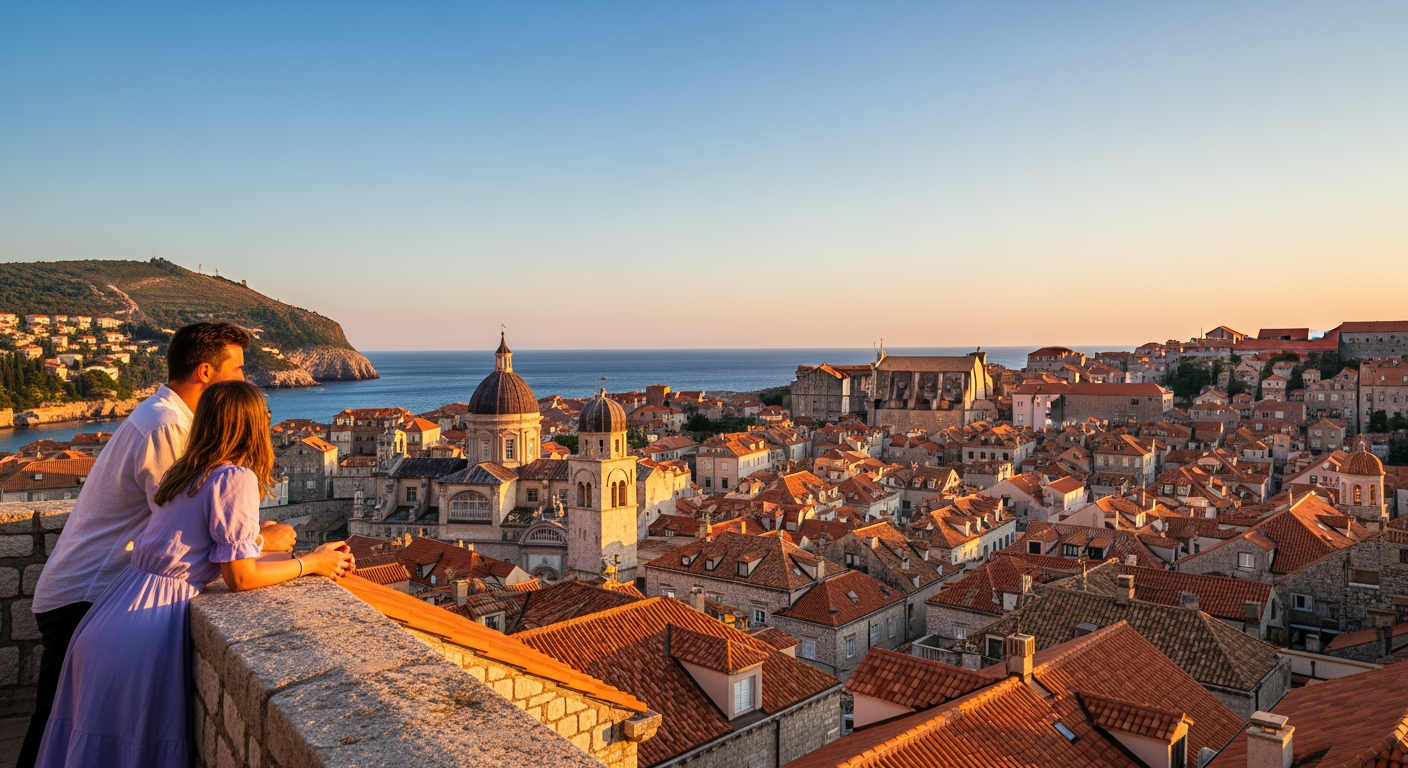
Three very different cities. All deeply worth it.
Dubrovnik
Yes, it is busy. Yes, Game of Thrones tourism has changed it. But walking Dubrovnik’s 16th-century stone walls and fortified walls at 8am, before the cruise ships dock, with the Adriatic stretching out below you in every shade of blue, is something else entirely. Flights from London on easyJet or Jet2holidays run £90-£160 return. Three-night hotel in the old town or nearby Lapad: £300-£500. Best in May, early June, or September. Avoid peak July if budget matters.
Ghent
Ghent is what Bruges would be if it had not been entirely taken over by tourists. Bruges is lovely, and its historic city centre is a UNESCO World Heritage site, but Ghent is the stronger pick if you want fewer crowds than other cities in Belgium. Belgium's third city has a fierce local culture: incredible craft beer bars, cosy cafés, one of the best street food markets in Europe (the Vrijdagmarkt on a Sunday), and the Van Eyck altarpiece in St Bavo's Cathedral amid the old core's cobbled lanes. Flights to Brussels on Eurostar from London take around 2 hours. Return Eurostar fares: £70-£150. Ghent hotels are genuinely affordable: £100-£150 per night for a solid three-star. Budget £45-£65 per day for food and activities.
Thessaloniki
Thessaloniki is Greece's second city and, honestly, it is more interesting than Athens for a city break. For a short break, it usually feels more rewarding unless seeing the ancient Acropolis is your top priority. The seafront promenade, the Byzantine churches, the absolute best food scene in Greece for exploring local cuisine (locals will tell you this and they are right): it is a genuinely fantastic destination. Compared with Thessaloniki, Athens still has affordable local tavernas where a simple meal can cost just a few euros. Ryanair flies direct from London Stansted. Return flights: £80-£130. Three-night hotel: £180-£280. Daily spend: £40-£60.
Valencia: The Underdog City Break of 2026

Valencia deserves more attention among European cities. It is sunny almost every day of the year, the food is extraordinary (paella was invented here, and the locals are very serious about that), and it is significantly cheaper and less crowded than Barcelona. The City of Arts and Sciences complex alone is worth the flight: it is one of the most architecturally dramatic public spaces in Europe, with impressive architecture and modern architecture that make the whole waterfront feel futuristic, and entry to the various venues costs £15-£25 depending on what you visit.
The Ruzafa neighbourhood is where the city's creative class eats, drinks, and generally has a better time than anyone in any rooftop bar in Barcelona. It is unpretentious, lively, and excellent. The Central Market is one of the largest in Europe and, as a showcase for the city’s great food scene, a proper assault on the senses in the best possible way.
The numbers
Return flights from London: £70-£130 with Ryanair, Jet2holidays, or easyJet.
Mid-range hotel (3 nights): £200-£350 in Ruzafa or the city centre.
Daily spend: £45-£65 per person including meals and activities.
Best months: March to May and September to November. The city hosted the America's Cup in 2024, which put it firmly on the global radar. If you have not been, 2027 is the year to go. Valencia still feels like a cheap European city, with enough sunshine and food appeal to rival more famous alternatives. If you need help finding the right flights, our guide on how to find cheap flights to anywhere has practical steps that work for city breaks specifically.
When to Book for the Best City Break Price
Timing matters more for city breaks than for beach holidays, partly because city break flights are typically point-to-point rather than packaged, and the pricing algorithms on easyJet and Ryanair are aggressive. Here is what the data actually shows.
The 6-to-10-week window
For most short-haul city break routes from UK airports, the 6-to-10-week booking window tends to offer the best combination of availability and price. Skyscanner's route-level data for 2023 and 2024 consistently shows this window outperforming both very early booking (12+ weeks out, where prices are often still elevated) and last-minute booking (under 3 weeks, where anything good has already gone).
Shoulder season is almost always cheaper
March to May and September to October are the sweet spots for nearly every city on this list. You get better weather than winter, far smaller crowds than summer, and prices that are often 20-35% lower than peak July rates. For Lisbon in April versus Lisbon in August, that difference can be £150-£250 per person on hotel alone.
For a broader look at the best booking timing, our guide to the best time to book a holiday goes deep on the data. And if you are wondering whether last-minute can ever win, we cover that honestly in is it cheaper to book last minute.
How to Pay for a City Break Without the Stress
City breaks feel spontaneous, but the best ones get planned. Part of that planning is working out how to pay without blowing your budget in one hit. A return flight plus three nights in a decent hotel for two people can easily reach £700-£1,000 even for mid-budget cities. That is a lot to put on a card at once.
At Vuelo, we built Fair Financing for exactly this kind of trip. Instead of paying everything upfront, you can spread the cost in manageable monthly instalments. Fair Financing is subject to eligibility, and whether it is right for you depends on your circumstances. We are always upfront about that. But for travellers who know where they want to go and want to lock in a price without the single-payment hit, it genuinely changes how accessible city breaks feel.
We also offer Pre-Departure, which lets you lock in your booking and spread the cost before you fly. If you are looking at a trip to Budapest or Seville in six weeks, you can secure it now, pay across the coming weeks, and not arrive at the airport wondering if it was the right financial call.
For a clear comparison of the options, our piece on pay monthly holiday vs loan vs credit card breaks down what actually makes sense for different budgets and booking styles. And if you want to understand instalment payments for flights specifically, our guide to paying for flights in instalments covers it in detail.
City Break Packing and Planning: The Practical Stuff and Cultural Attractions
City breaks are short, which means every mistake costs you proportionally more. Three wasted hours on a four-day trip is a much bigger deal than three wasted hours on a two-week holiday. Here is the stuff that actually matters.
Carry-on only, always: For a three-to-four-night city break, checked luggage is almost never worth the extra cost or the wait at baggage reclaim. Pack a 10kg cabin bag and move faster.
Book museum entry in advance: The Vatican, the Rijksmuseum, the Colosseum. Many major cultural attractions now require timed entry, and the most popular ones sell out. Do not arrive and queue for two hours.
Leave room for unplanned time: Pacing your travels this way helps avoid burnout and keeps the trip from feeling over-scheduled or exhausting. Spontaneous exploration often leads to the best parts of a city break.
Use Google Maps offline: Download the city before you fly. City breaks involve a lot of walking and navigating. Data roaming in the EU is free for UK travellers post-Brexit for now, but offline maps are faster and battery-friendlier.
Stay central or near a metro line: Location matters far more on a city break than on a beach holiday. A 20-minute commute from your hotel eats 40 minutes of your day, every day. A great location also makes it easier to walk through local neighbourhoods and find authentic cafés, great restaurants, and local spots.
Book flights at the right time of day: Early morning departures are cheaper on average and less likely to be delayed. easyJet's first flights of the day are statistically the most punctual.
For a fuller step-by-step on trip planning, our complete holiday planning guide covers everything from destination research to budgeting.
What is the best city break in Europe right now?
Based on the current combination of flight prices, hotel costs, food quality, and overall experience, Lisbon is the best city break in Europe and an ideal destination for UK travellers in 2026. Return flights from London regularly come in under £120, three nights in a good mid-range hotel costs £300-£400, and daily spend is comfortably under £70 per person. Shoulder season (March to May and September to November) offers the ideal conditions.
Budapest is the best pick if you want the lowest total spend. Seville and Porto are the strongest choices for warm weather without the summer crowds. Prague and Krakow win on sheer value for a long weekend.
Which European city break is cheapest from the UK?
Krakow and Budapest consistently come out as the cheapest city break destinations in Europe from the UK when you factor in flights, accommodation, food, and activities together, making them strong picks for a cheap European city break from the UK. A three-night trip to Krakow all-in (flights plus hotel plus meals) can come in under £400 per person if you book easyJet or Ryanair at the right time and choose a three-star central hotel, while Dublin is another contender because it is compact, easy to explore on foot, and ideal for a short, affordable break.
Thessaloniki is another strong contender: Ryanair flies direct from Stansted, hotels are cheaper than Athens, and the food scene means you eat extraordinarily well for £40-£55 a day. Porto and Seville also offer very good value in shoulder season.
When is the best time to go on a city break in Europe?
For most city break destinations in Europe, especially for short weekend breaks, the shoulder seasons (March to May and September to October) are the sweet spot. Temperatures are comfortable rather than extreme, crowds are smaller than peak summer, and prices on flights and hotels are typically 20-35% lower than July and August rates.
Specific exceptions: Budapest is excellent in April and early June but uncomfortably hot in July. Dubrovnik is best in May or early September. Lisbon works well year-round but November to February brings more rain. Prague is genuinely beautiful in December if you want Christmas markets and do not mind cold temperatures.
Can I pay for a European city break in monthly instalments?
Yes. At Vuelo, we offer Fair Financing (subject to eligibility) which lets you spread the cost of your trip in manageable monthly payments rather than paying everything upfront. Whether it is right for you depends on your personal circumstances, and we always recommend checking your budget before spreading the cost.
We also offer Pre-Departure, which lets you lock in your booking and pay it down before you fly. Both options are designed for real travellers who want to plan ahead without a single large payment hitting their account at once. You can read more about how instalments work for flights specifically in our flights in instalments guide.
How many days do you need for a European city break?
Three full days (arriving Friday evening, departing Monday morning) is the practical minimum for most European city breaks. That gives you two full days to explore plus one slower arrival and departure day. For larger cities like Rome or Amsterdam, four to five days is much more satisfying and lets you go beyond the obvious sights.
Smaller cities like Porto, Ghent, or Krakow can feel satisfying in three days because the footprint is tighter and the key areas are walkable. The rule of thumb: if the old town is the entire city, three days works. If the city has multiple distinct neighbourhoods you want to explore, budget four or five.
The Bottom Line
Europe does city breaks better than anywhere else on earth, with a huge range of options packed into a relatively small map. The combination of short flight times from the UK, extraordinary food cultures, iconic sights, walkable historic centres, and genuine diversity of experience across just a two-hour radius is unmatched. Whether you go for Lisbon's golden-hour magic, Budapest's thermal baths on a grey Tuesday afternoon, or Valencia's paella done properly in the market at noon: these are real trips that change how you see the world, even if only for four days.
The best city break in Europe is ultimately the one you actually take. Do not let the upfront cost be the thing that stops you. Look at the options, check your budget honestly, and book when the timing and price feel right.
Ready to Book Your European City Break?
We built Fair Financing for trips exactly like these. Spread the cost of your city break in manageable monthly instalments, subject to eligibility, and travel on your terms.