Key Takeaways
The Maldives is more affordable than you think: Staying on local islands instead of private resort atolls can cut accommodation costs from £500+ per night to under £60, without sacrificing the turquoise water and white sand.
Timing is everything: Flying between May and July (the shoulder season) typically saves £300-£600 per person on flights compared to peak December-January prices.
Spreading the cost changes the maths: Paying in full upfront can feel impossible on a £2,500 holiday, but breaking it into monthly instalments makes the same trip genuinely manageable, more on this below.
You don't have to skip luxury: Plenty of mid-range overwater bungalow resorts sit between the budget guesthouses and the £3,000-a-night ultra-luxury end, and those can be spread across instalments too.
Local island food and transport are remarkably cheap: A local ferry between islands costs around £1-£3; a meal at a local cafe runs £4-£8, compared to £25-£60 at a resort restaurant.
Book smart and book early: Booking 4-6 months ahead consistently delivers better prices on both flights and accommodation for Maldives trips from the UK.
Why the Maldives Feels Out of Reach (But Isn't)
The Maldives can absolutely be done on a budget, under $75 per day excluding airfare if you stay on local islands instead of private resorts, book guesthouses from under £60 a night, use local ferries that cost around £1-£3, and eat at local cafes for roughly £4-£8 a meal. The Maldives has a reputation as one of the world's most expensive destinations, and private island resorts like Soneva Fushi and Six Senses Laamu charging upwards of £1,500 per person per night are exactly why that side of the trip can feel crazy expensive. The marketing you see is almost always overwater bungalows, private butlers, and champagne at sunset. No wonder it feels like a different universe.
But that's only one version of the Maldives. The other version involves local guesthouses on inhabited islands like Maafushi, Thoddoo, or Dhigurah, the version that makes budget travel realistic, and with around 200 inhabited islands in the Maldives, there are more budget bases than many first-time visitors expect, ferry rides that cost less than a London bus journey, and snorkelling over house reefs that are every bit as spectacular as the ones the big resorts charge a premium to access. For UK travellers on a tight budget, whether you're planning a solo trip, a couple's break, or an affordable honeymoon without relying on a travel agent or an all inclusive resort, that cheaper side of the Maldives is usually the one that makes the trip realistic.
The gap between those two experiences is enormous, and entirely real. This guide breaks down the real Maldives cost, including where to find budget accommodation and cheap hotels on local islands, when to book flights and why May to July can mean lower prices, how to get around by ferry or speedboat, what to expect from food and activities like day trips or island hopping, how to cut extra costs, and how to spread the cost with monthly payments if you don't want to pay so much money upfront. For anyone who has written the Maldives off as unaffordable, that's the difference between a fantasy trip and one you can actually plan.
If you're also weighing up other honeymoon destinations by month, the Maldives sits comfortably among the best, and it's worth knowing it doesn't have to be the most expensive option on that list either.
When to Go: Timing That Saves Real Money
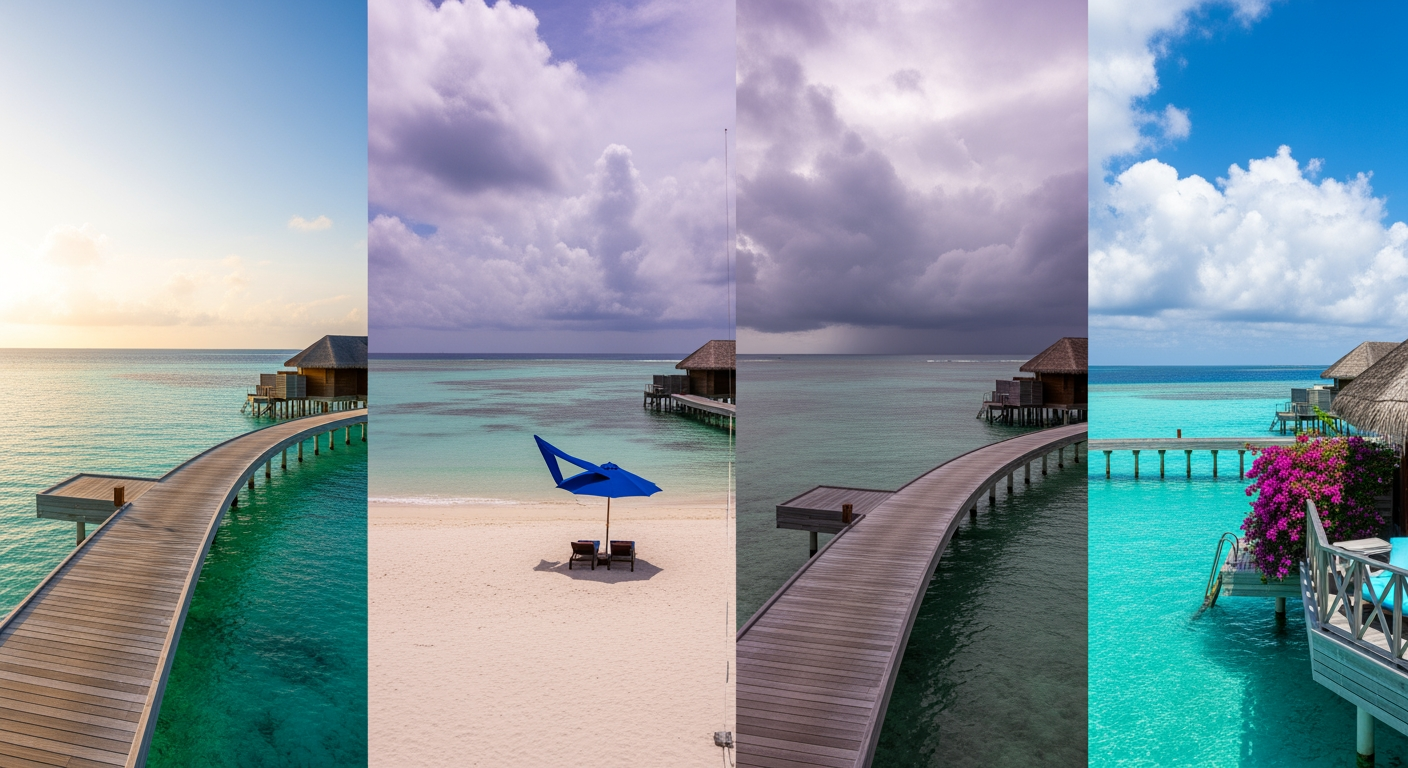
The cheapest time to visit the Maldives from the UK is between May and early July. This is technically the wet season (the southwest monsoon runs May to October), but the reality is that rain usually comes in short, heavy bursts rather than all-day downpours. You'll still get plenty of sunshine, and the marine life is excellent year-round.
Flying in this window versus peak December-to-January travel typically saves £300-£600 per person on return flights from the UK. That's a significant difference on a trip where every pound matters.
The price peaks to avoid
December 20 to January 5: The most expensive window of the year by some distance. Flights and accommodation both spike hard.
February half-term: A secondary peak driven by UK school holidays.
Easter: Another surge, expect prices 20-40% above the surrounding weeks.
The sweet spots
May to early July: Lowest overall prices. Great for couples and solo travellers without school-age children.
Late September to mid-November: The tail end of monsoon season, with prices starting to climb but still meaningfully below peak. October can be particularly good value, check our guide on where is hot in October for comparisons.
Booking 4-6 months ahead of your chosen travel window consistently delivers better prices than waiting, and extensive research during that planning window often helps travellers spot better-value flights and stays. Our article on the best time to book a holiday explains the broader mechanics of that.
Getting There: Flights Without the Premium Price
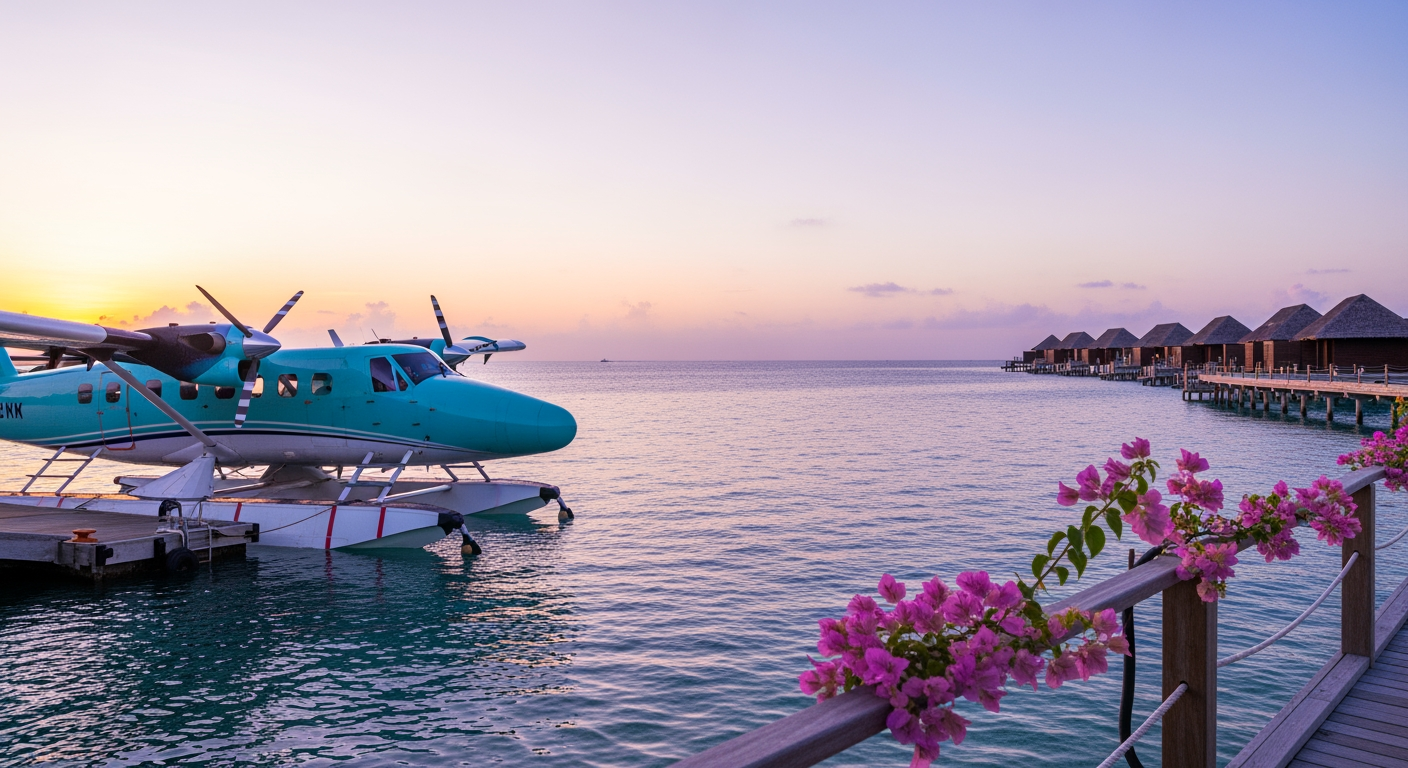
There are no budget carriers flying direct from the UK to Velana International Airport (Male), you're looking at full-service airlines. The most common options from London are Qatar Airways (via Doha), Emirates (via Dubai), and Sri Lankan Airlines (via Colombo). Travellers coming via kuala lumpur also sometimes find cheaper regional fares into Male, which is a useful reminder to compare nearby long-haul entry points as well as UK departures. Return fares in economy typically range from £550 to £950 per person depending on the season and how far in advance you book.
Many budget travellers also use Hulhumale Island for one night before or after an international flight because it is close to Velana Airport and usually cheaper than heading straight to a resort transfer.
A few things that consistently bring that price down:
Use Skyscanner with flexible dates switched on. Shifting your departure by two or three days can save £80-£150 per person on some routes.
Check connecting hubs separately. Sometimes booking London to Dubai on Emirates, then a separate fare to Male, works out cheaper than one through-ticket, though you carry the connection risk yourself.
Avoid peak holiday months. As covered above, May-July and late September-November are the sweet spots.
Set price alerts early. Skyscanner and Google Flights both offer this. Prices for Maldives routes move frequently in the 4-8 month window before departure.
I tracked return fares from London Heathrow to Male across a six-month period earlier this year, and the difference between the cheapest and most expensive weeks for the same route was consistently over £400 per person. Getting the timing right on flights alone can fund your entire local island accommodation budget.
For more on squeezing flights budgets generally, our guide on how to find cheap flights to anywhere is worth a read before you start searching.
Local Islands vs. Resorts: the Real Cost Breakdown
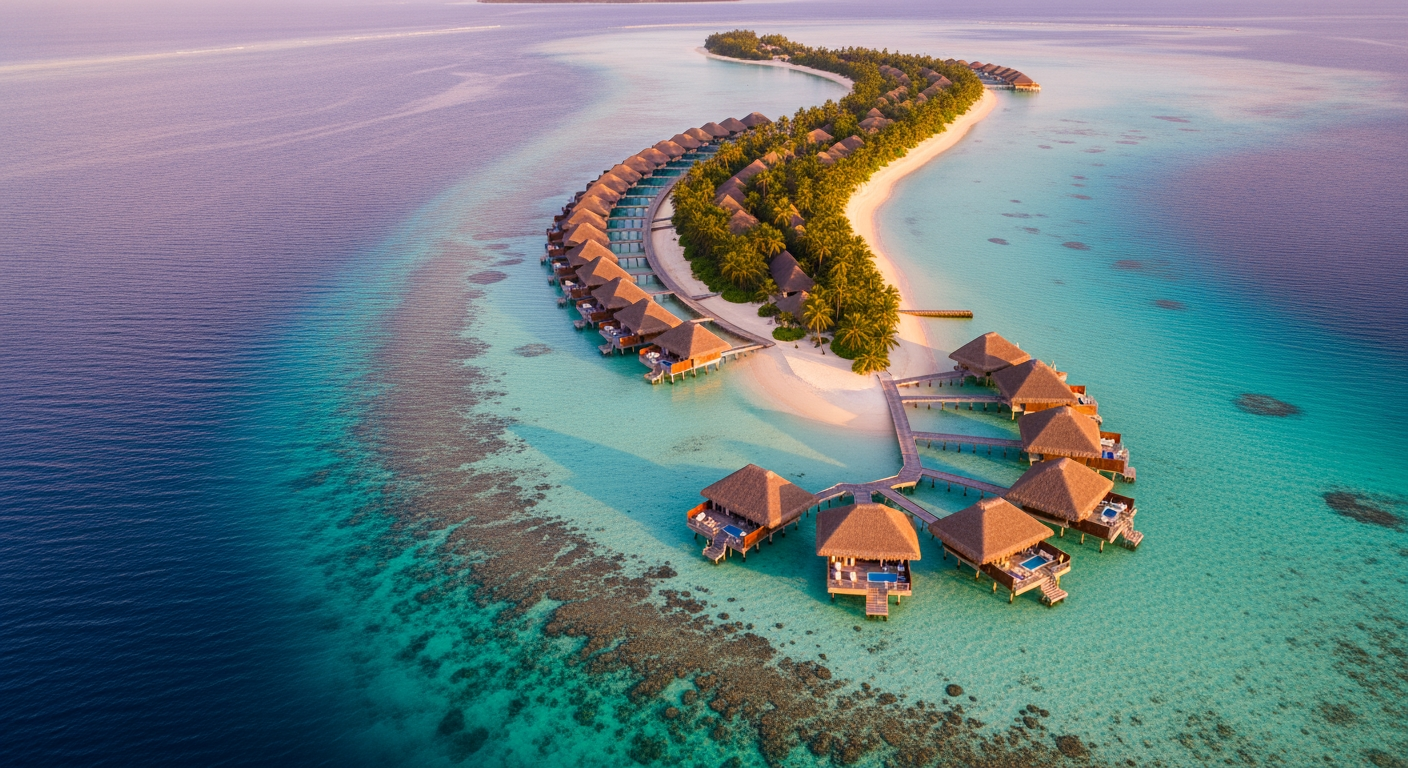
This is the single biggest lever on your Maldives budget, because accommodation is the biggest expense for most travellers. Private resort islands are all-inclusive by design, they have to be, because there's nothing else on the island. That's what drives the price: resort stays commonly range from about $356 to $2000 per night, depending on the property and season. Local inhabited islands are the opposite: you have guesthouses, local restaurants, shops, and ferry connections to other islands, and on the cheapest islands and dates, budget accommodation can drop to around $20 per night. This guesthouse model became far more viable after the Maldivian government allowed tourism development beyond traditional resort islands.
Local island guesthouses
Maafushi is the most established budget island, with guesthouses serving as affordable accommodations for travellers who want local stays instead of resorts, ranging from £35-£90 per room per night. Thoddoo is quieter and known for its snorkelling; expect £40-£70 per room. Dhigurah has excellent whale shark sightings and comparable guesthouse prices. Because the Maldives is a muslim country, you'll need to dress modestly on local islands in line with this strict muslim country’s rules: cover your shoulders and knees in public, though a bikini is fine on the designated bikini beach, and alcohol isn't available at restaurants, though some guesthouses have licensed areas; Friday is a holy day, so some shops, cafes, ferries, and other services may be limited or closed on local islands. Topless sunbathing is illegal in the Maldives.
Mid-range resorts
Not everything between a local guesthouse and a Six Senses costs a fortune. Some cheaper resort islands are very simple setups with one restaurant, rather than the broad dining choice you get at larger properties. Resorts like Oblu Select at Sangeli, Meeru Maldives, and Atmosphere Kanifushi offer proper overwater or beach villas, included activities, all-inclusive food and drink, and some mid-range packages with breakfast included for £200-£400 per person per night, still steep, but a fraction of the ultra-luxury end. These are the properties where spreading the cost makes the most practical difference.
Private resort islands
Soneva, One and Only, Four Seasons: £800-£3,000+ per person per night, and on many resort stays you are effectively paying for one island with no off-property alternatives. Genuinely spectacular, with pristine beaches, and genuinely expensive. Not what this guide is for, though if that's your goal, instalments still help.
Getting Around: Ferries, Speedboats, and Seaplanes
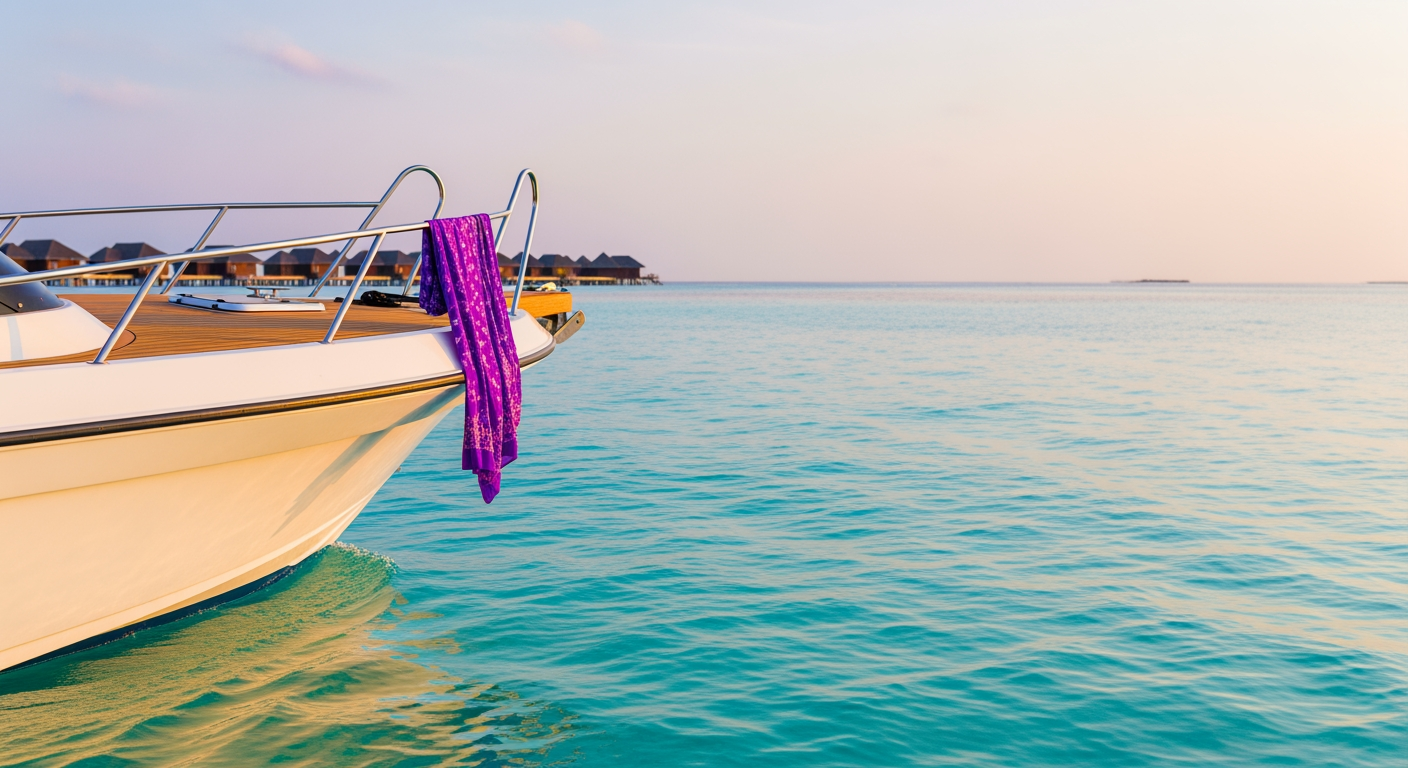
Getting between islands is one of the areas where the budget version of the Maldives looks most different from the luxury version, and where you can save the most money with almost no downside.
Public ferries
The Maldives has a public ferry network operated by the government ferry service. Fares between Male and islands like Maafushi or Thoddoo cost £1-£3 per person each way. Check schedules carefully, because the only downside is limited frequency and fixed departure days. The catch is that ferries run on fixed schedules (usually a few times a week per route, not daily) and the journey can take 1-2 hours. Plan around the timetable and it's genuinely fine.
Speedboat transfers
Guesthouses and private operators run speedboats between popular islands. These cost £15-£40 per person each way and run more frequently than ferries. For Maafushi specifically, speedboats from Male run multiple times daily and take around 45 minutes. Worth it when the time saving genuinely matters.
Seaplanes
Seaplanes (operated mainly by Trans Maldivian Airways) are how distant resort islands handle transfers. A 25-minute seaplane ride can cost £200-£400 per person return. Spectacular, but only relevant if you're staying at a remote resort. For local island trips, you won't need one.
The practical advice: book accommodation on an island reachable by ferry or affordable speedboat, and you've already saved hundreds of pounds compared to a seaplane-dependent resort.
Food, Drinks, and Activities on a Budget
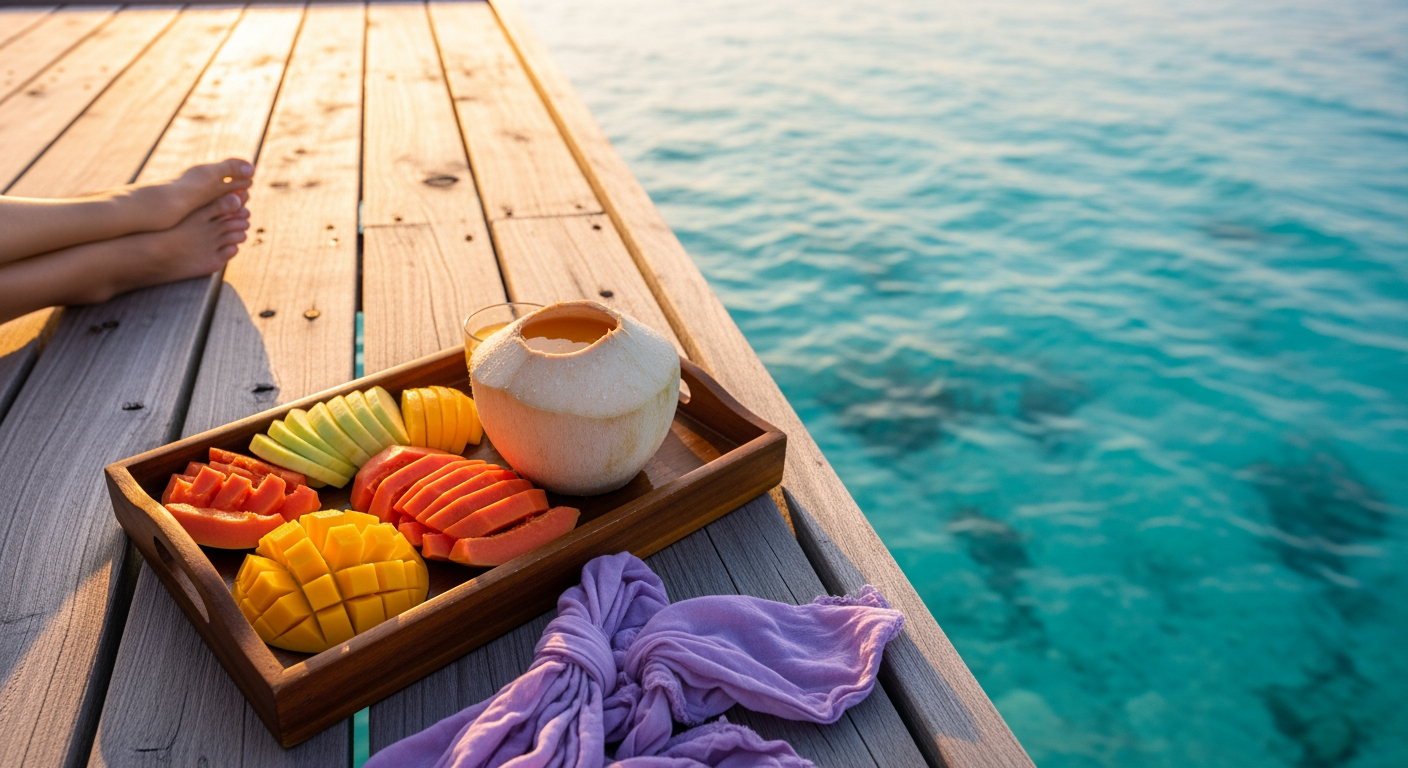
On local islands, food is genuinely cheap by any standard. Local cafes (known as 'hotels' in Maldivian terminology, confusingly) serve rice, fish curry, and fresh flatbreads for £4-£8 per meal, and local cafes and guesthouses usually offer good food even when the setting is simple. Seafood is excellent and plentiful. You're not going to go hungry spending £15-£20 per day on food on a local island. It's also smart to carry some us dollars, as they are widely accepted for small travel payments and often get easier prices than local currency.
On resort islands, the same meal at a poolside restaurant costs £25-£60. Alcohol at a resort bar is consistently expensive, £10-£18 per drink is standard.
Activities that don't cost much
Snorkelling from the beach: Most guesthouses provide basic snorkelling equipment for free or £3-£5 per day. House reefs on islands like Thoddoo and Dhigurah are world-class.
Whale shark trips from Dhigurah: Group boat trips to snorkel with whale sharks run around £25-£40 per person. One of the best wildlife experiences in the world at a price that's hard to argue with.
Sandbank excursions: Group trips to a nearby sandbank typically cost £20-£35 per person, including snorkelling time.
Local boat outings: Many guesthouses can also arrange fishing trips at budget-friendly group rates.
Activities that add up fast
Diving: A two-tank dive day costs £80-£150 on most dive boats. Great value for certified divers who prioritise it, but it'll shift your budget significantly if you go every day.
Jet skis, parasailing, and watersports at resorts: Usually priced individually and add up quickly. Local island operators charge considerably less for the same activities.
Pay in Full vs. Paying in Instalments: the Honest Comparison
Here's the question most Maldives budget guides skip over: even a well-planned budget trip costs real money upfront. A 10-night trip for two on local islands, flights, accommodation, food, and a couple of excursions, realistically comes to £2,000-£2,800 total. A mid-range resort holiday for the same duration runs closer to £4,000-£6,500. Paying either of those in full, all at once, is simply not realistic for most people.
Paying in full
The obvious advantage is that once you've paid, you've paid. No ongoing commitments, no interest (if you're not borrowing), and no monthly reminders. The downside is that it requires having several thousand pounds liquid at one time, which often means waiting years, or using a savings account that took a long time to build. For many people, this delays the trip indefinitely.
Spreading the cost in instalments
At Vuelo, we offer Fair Financing (subject to eligibility) so you can spread the cost of your holiday across monthly payments. On a £3,000 holiday, that might look like £250 per month over 12 months rather than a single upfront payment. That's a number most people can plan around in a way that £3,000 in one go simply isn't.
Whether spreading the cost is right for you depends on your circumstances, we'd always recommend checking your budget carefully before committing to any credit arrangement. But for a trip that otherwise stays permanently on the 'someday' list, structured monthly payments can be the thing that makes it actually happen. You can read more about how this works in our guide on pay monthly holidays vs loans vs credit cards.
You Don't Have to Skip the Overwater Bungalow
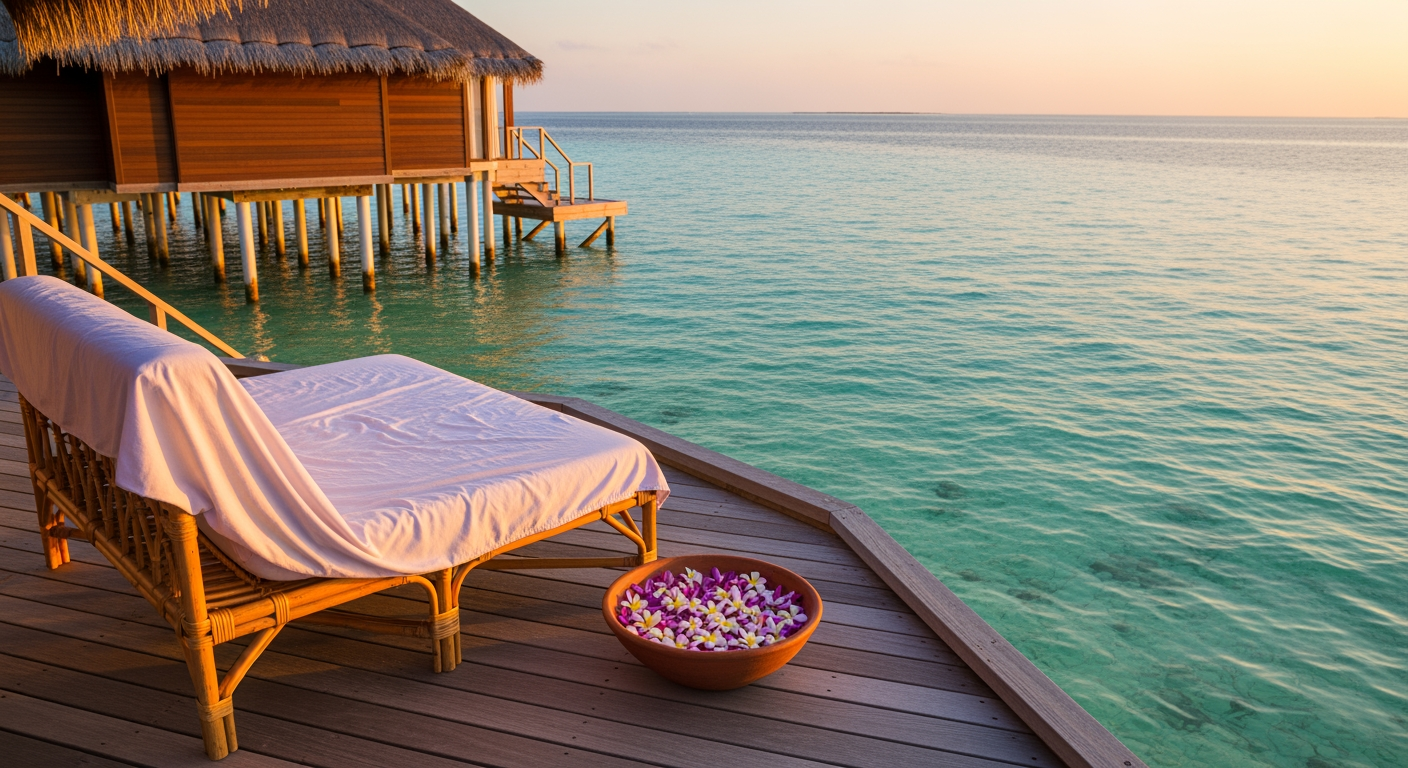
One of the most common misconceptions about budget Maldives travel is that you have to choose between going and having any kind of luxury. You don't. The smart middle ground is a mid-range resort for part of your trip, or for a shorter stay, combined with local island time on either side.
A practical structure that works well: spend your first three nights on a local island (Maafushi is convenient from Male), then transfer to a mid-range resort for three or four nights of genuine overwater-bungalow experience. You get both versions of the Maldives, and the total cost is considerably lower than a full week at a resort.
Resorts like Atmosphere Kanifushi run all-inclusive packages that include a proper overwater villa, meals, drinks, and non-motorised watersports from around £220-£320 per person per night. Split across a four-night stay, that's £880-£1,280 per person for the resort portion, real money, but far more manageable than a full week at that rate.
When you spread that total across monthly instalments through Fair Financing (subject to eligibility), the per-month number becomes the kind of thing you can genuinely plan around. It's worth understanding how that compares to other payment options, our article on paying for flights in instalments covers the mechanics clearly. And if you want to understand the broader picture before committing, our piece on whether holiday financing is safe is a good place to start.
Sample Budget Breakdown: 10 Nights for Two
To make this concrete, here's a realistic budget for two people on a 10-night local island trip, flying from London in late May. Do note that taxes and fees can push the final cost of a hotel room above the headline nightly rate, especially depending on the property and booking method.
Return flights (x2, economy via Qatar or Emirates): £1,200-£1,600 total
Public ferry Male to Maafushi (x2 each way): £8-£12 total
7 nights guesthouse accommodation (double room, Maafushi): £350-£560 total, though booking direct with a guesthouse owner can sometimes reduce the quoted room price or include extras
3 nights guesthouse, Thoddoo (speedboat transfer + room): £280-£420 total (including the speedboat)
Food and drink (local restaurants, 10 days x 2 people at £15/day each): £300 total
Activities (whale shark trip, sandbank excursion, snorkel gear hire, one dive day): £200-£300 total
Travel insurance (recommended, not optional): £60-£100 for two
Total range: approximately £2,400-£3,000 for two people. That's £1,200-£1,500 per person for 10 nights in the Maldives, a genuine figure, not a lowball estimate that ignores how travel actually works.
Spread across 12 monthly instalments through Fair Financing (subject to eligibility and your individual circumstances), the per-person monthly commitment is roughly £100-£125. Whether that fits your budget is a personal decision, but it's a very different conversation from finding £1,500 in a single payment. For more on building the savings picture alongside any financing, our guide on how to save for a holiday is practical and straightforward.
Practical Tips to Cut Costs Further
Beyond the big choices (when to go, where to stay, how to pay), there are a handful of smaller decisions that consistently make a real difference to the final total. These are simple travel tips that trim costs without changing the trip itself.
Book guesthouses directly: Booking and similar platforms add their own margin. Emailing guesthouses directly, particularly on smaller islands, often gets you a lower rate or a free airport pickup thrown in.
Pack snorkel gear: A decent mask and snorkel from Amazon costs £15-£25. Hiring the same kit every day for a week costs £35-£50. The maths is straightforward.
Eat where locals eat: The closer a restaurant is to a resort or tourist beach, the more it charges. Walk two streets back from the seafront on Maafushi and prices drop noticeably.
Book excursions through your guesthouse: Guesthouse-organised excursions are almost always cheaper than booking through a tour operator or resort. The whale shark trip from Dhigurah is a good example, the same experience, at a fraction of the cost.
Travel insurance is not optional: Medical evacuation from a remote Maldivian island to a hospital in Male costs thousands of pounds without insurance. This is not an area to save money. Policy comparison sites like Compare the Market or MoneySuperMarket have decent Maldives-specific options.
Take the ferry, not the speedboat, when time allows: For the Male to Maafushi route specifically, the public ferry runs on Sundays, Tuesdays, and Thursdays. If your arrival day lines up, you save £15-£30 per person immediately.
Be smart about cash access: If you will be withdrawing money during the trip, apps like ATM Fee Saver can help you find banks and machines that do not add extra withdrawal charges. Very budget-conscious travellers can also look at Couchsurfing, which has around 2,000 hosts in the Maldives, though availability is far more limited than guesthouses.
Is Spreading the Cost Right for You?
Spreading the cost of a holiday makes sense for some people and not for others. It's worth being honest about both sides before you commit.
It tends to work well when: you have a stable income and can comfortably absorb a monthly payment without it creating financial stress; you'd otherwise wait 18+ months to save the full amount and the trip keeps getting pushed back; and the total cost of the financing is something you've checked and are comfortable with.
It tends to be worth reconsidering when: your income is unpredictable month to month; you're already carrying significant other debt; or the monthly payment would stretch your budget uncomfortably thin. Borrowing to travel is never risk-free, and whether it's the right move depends entirely on your personal circumstances, not on how much you want the holiday.
Fair Financing through Vuelo is subject to eligibility. Not everyone who applies will be approved, and the rate you're offered depends on your individual circumstances. Our article on whether paying monthly affects your credit score explains what to expect from the application process. If you want to understand what the '0% interest' framing you see elsewhere actually means in practice, our guide on 0% interest holidays is a genuinely useful read before you commit to anything.
What is the cheapest time of year to visit the Maldives from the UK?
May to early July is consistently the cheapest window for UK travellers. This is the southwest monsoon season, but in practice rain usually falls in short bursts rather than all day. Flights in this period are typically £300-£600 per person cheaper than the December-January peak, and accommodation prices on local islands also dip.
Late September and October offer a secondary value window as the monsoon eases, prices are still below peak but rising. Avoid the Christmas and New Year period entirely if budget is your priority; it's the most expensive stretch of the year by a significant margin.
Can you visit the Maldives on a budget without staying at a resort?
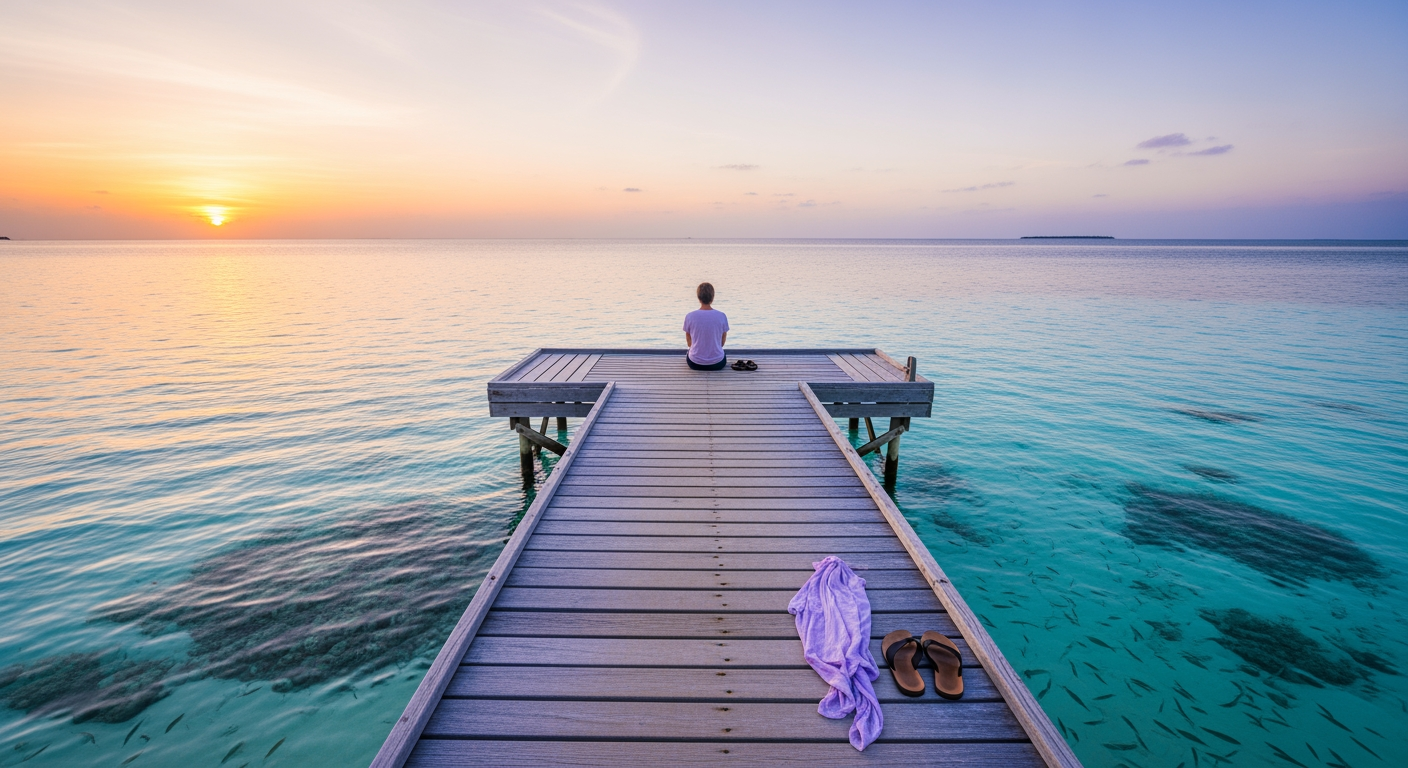
Yes, and this is the core of budget Maldives travel: you can still do the Maldives cheap if you base yourself on local islands and use public ferries. Local guesthouses on inhabited islands like Maafushi, Thoddoo, and Dhigurah offer double rooms for £35-£90 per night. The beaches, snorkelling, and marine life are genuinely comparable to what resort guests experience, the difference is you reach them by public ferry rather than speedboat, and you eat at local restaurants rather than resort dining rooms. On inhabited islands, many guesthouses now support this budget model, so travellers usually have more choice than they expect.
Many travellers who have visited Maldives on local islands are pleasantly surprised by how much they still get for the money, and on quieter islands you may even feel like the only tourist, which is part of the appeal if you want a more local experience.
The main practical differences: alcohol isn't freely available at local restaurants on inhabited islands (some guesthouses have licensed areas), and you'll need to dress modestly outside the designated tourist beach because the Maldives is a Muslim country on local islands. Neither is a significant issue for most travellers once you know in advance.
How much does a Maldives trip cost for two people from the UK?
A 10-night local island trip for two people, including return flights from London in the shoulder season, guesthouse accommodation, food, and a few excursions, realistically costs £2,400-£3,000 in total. That's roughly £1,200-£1,500 per person, not cheap by any measure, but considerably less than the £8,000-£15,000+ that a comparable stay at a private resort island would cost. Compared with Southeast Asia, the Maldives is still pricier overall, but local islands narrow the gap far more than most people expect.
A mid-range resort holiday (overwater villa, all-inclusive, 7 nights) for two people runs closer to £5,000-£8,000 total from the UK, depending on the resort, time of year, and flight prices. Mixing a few local island nights with a short resort stay is a common way to manage costs while still getting the classic Maldives experience.
Can I pay for a Maldives holiday in monthly instalments?
Yes. At Vuelo, we offer Fair Financing (subject to eligibility) which lets you spread the cost of your holiday across monthly payments rather than paying everything upfront. For a £3,000 trip, that could mean monthly payments of around £250 over 12 months rather than a single large payment.
Whether this is right for you depends on your individual circumstances, including your income, existing commitments, and credit history. Not everyone who applies will be approved, and the terms offered depend on your personal situation. We'd always recommend reviewing your budget carefully before taking on any credit arrangement. Borrowing to fund a holiday is not suitable for everyone.
Is the Maldives worth it on a budget, or should I go somewhere else?
If turquoise water, coral reefs, and the specific atmosphere of the Indian Ocean are what you're after, the Maldives on a budget genuinely delivers. The marine life on local island house reefs is world-class, the beaches are spectacular, and the experience of being somewhere that remote and that beautiful doesn't require a six-figure salary to access. Even a small island can still give you that classic Maldives mix of water, reef, and sand if nature matters more to you than resort facilities.
That said, if you're primarily driven by value-for-money in the broadest sense, destinations like Sri Lanka, Thailand, or the Canaries offer more variety, easier logistics, and lower overall costs. If your goal is simply broad value, other places may beat the Maldives, but for white sandy beaches and that castaway feel, it's still hard to replace. The Maldives is worth it when the Maldives specifically is what you want. If you're flexible on destination, it's worth comparing. Our guide on the best winter sun destinations covers a range of options at different price points.
The Bottom Line
A budget Maldives trip is real, and it's genuinely good. Local island guesthouses, public ferries, and smart timing on flights get you to one of the most beautiful places on earth for a fraction of what the marketing suggests you need to spend. The turquoise water and the house reefs don't care whether you paid £60 or £600 a night to access them.
The bigger shift is in how you think about paying. Spreading the cost through monthly instalments doesn't make a holiday cheaper, but it makes it achievable for people who can't produce several thousand pounds in a single payment. Whether that's the right approach depends on your circumstances, and it's worth thinking through carefully before you commit. What it does do is turn 'someday' into a date in the calendar.
Ready to Plan Your Maldives Trip?
At Vuelo, we built Fair Financing for exactly this: so that the trips you've been putting off can actually happen. Explore flights and stays, and spread the cost in a way that works for your budget.